

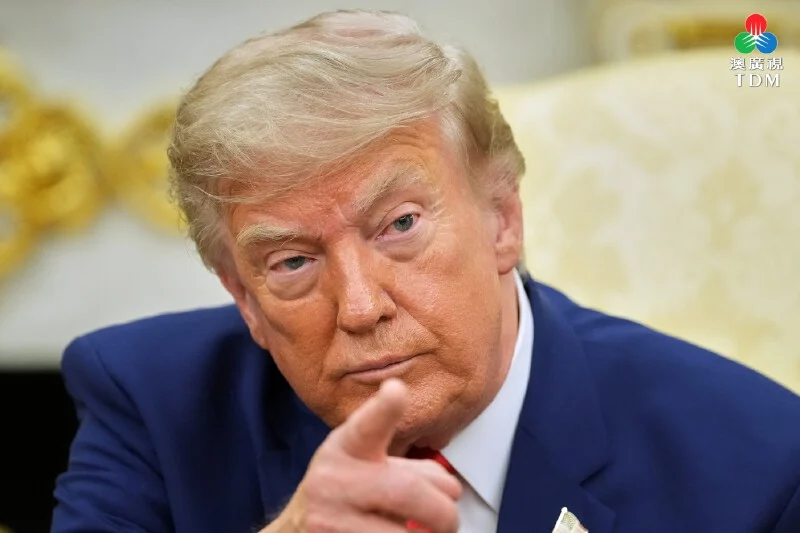
President Donald Trump struck a notably softer tone on China’s alleged election interference on July 21, telling reporters in the Oval Office that the United States engages in comparable activity against Beijing, only days after delivering a primetime address accusing China of the most extensive election-data breach in the nation’s history.
Asked what consequences China might face, Trump said he intended to raise the matter directly with Chinese leadership but suggested the episode belonged to the past and that China’s conduct may have shifted since then. “It took place a long time ago,” he said, adding that “they do things. And we do things to them… It’s not a one-way street.” He offered no specifics on what actions the U.S. has taken in return.
The comments stood in contrast to his July 16 address, in which Trump pointed to a collection of newly declassified intelligence to allege that China had obtained roughly 220 million voter records from state databases in an effort to sway the 2020 election, and that similar efforts had targeted the 2018 midterms.
In that speech, he also claimed Beijing tried to turn American business leaders against him and paid journalists to produce unfavorable coverage during his first term, framing it all as retaliation for his willingness to confront China.
Read more about this topic: Xi Jinping promotes China as a responsible AI leader amid Trump’s accusations of theft (with video)
Trump used that address to accuse figures within the federal government of burying the intelligence rather than disclosing it, and argued the episode revealed broader weaknesses in the U.S. election system heading into the fall. Much of what he cited, however, had already appeared in earlier government assessments, and the voter data in question was drawn from records that are publicly accessible rather than obtained through a breach of secure systems.
The shift in tone comes after a first year back in office marked by an escalating trade dispute with China, which eased once both governments pulled back from steep tariffs on one another. Trump traveled to China in May for a meeting with President Xi Jinping, someone he has repeatedly described in warm terms, calling him both a friend and an effective leader.
His account of Chinese election interference also runs counter to earlier intelligence findings. A March 2021 assessment from then-Director of National Intelligence Avril Haines concluded that officials held high confidence China had not moved to interfere with the 2020 election, noting that Beijing had weighed but ultimately abandoned any such effort. That same assessment found China judged the risk of getting caught too great to justify favoring either candidate in the race.
