

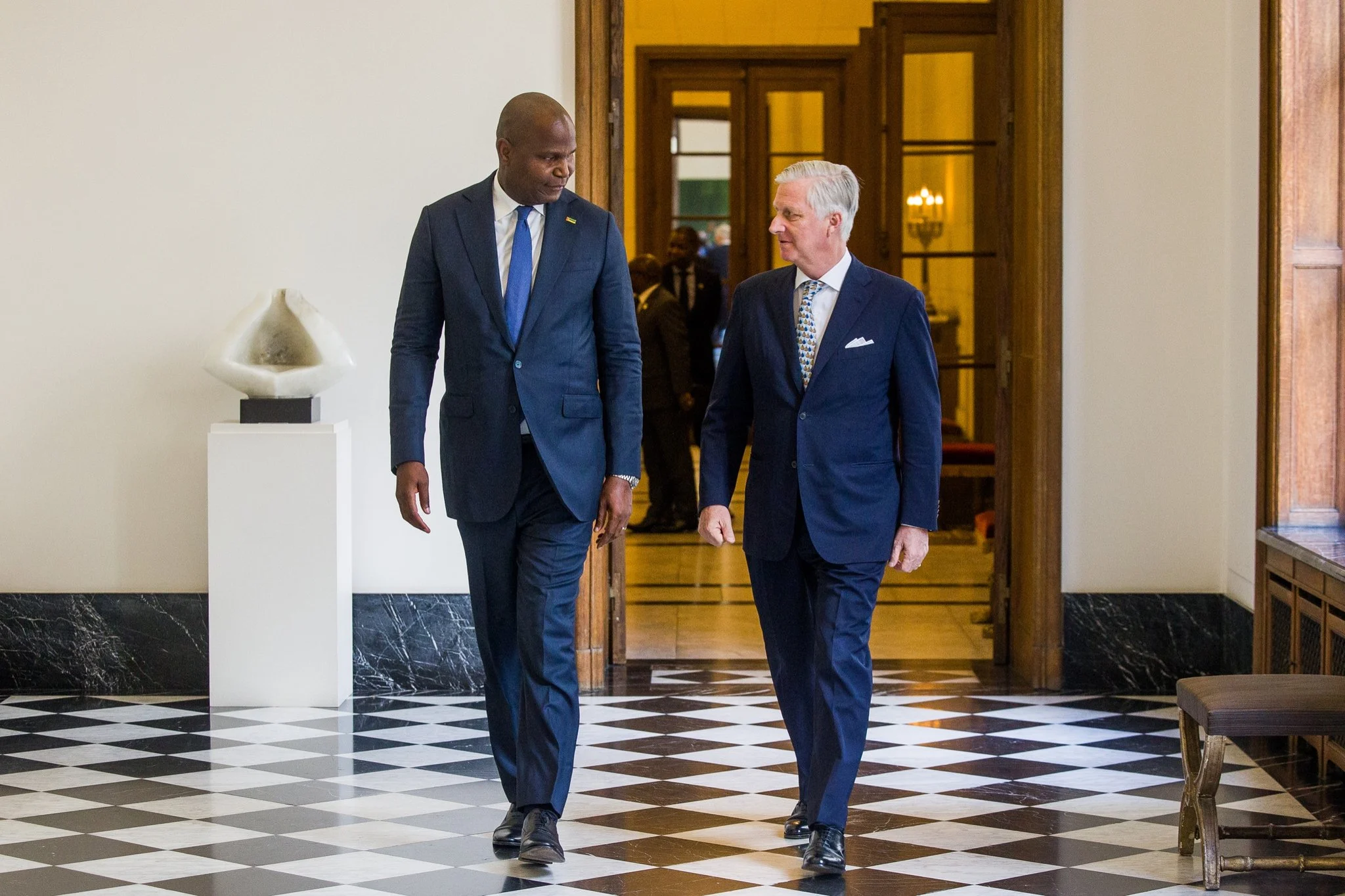
Mozambican President Daniel Chapo admitted today the possibility of reviewing legislation and other hurdles that have hindered private investment to boost the business environment.
“Our responsibility as the public sector is to cherish the private sector, both national and foreign. If there are aspects blocking development, it is our duty to unlock them,” he said.
The Mozambican head of state made these remarks to the press while summarizing his participation in the Africa CEO Forum held in Kigali, the capital city of Rwanda. Daniel Chapo expressed a clear willingness to revise legal frameworks whenever necessary to streamline business operations and ensure the government works closely with global and local investors.
“As we have said, Mozambique possesses unique conditions to establish itself as a strategic connection platform for Southern Africa and international markets, particularly through major energy projects.” The President highlighted structural projects in the sectors of mineral resources, specifically natural gas, as well as the significant potential for expansion within the renewable energy industry.
Read more about this topic: Mozambique: foreign investment surges 70% in 9 months
Chapo also emphasized the importance of national logistics corridors as strategic points to drive economic growth and attract the private sector into more robust public-private partnerships.
These corridors are seen as vital infrastructure for linking landlocked neighboring countries to international waters, providing a competitive edge for Mozambique’s expanding transport and logistics network.
Since arriving in Rwanda on Wednesday, Chapo has held several high-level meetings with investors and economic groups interested in exploring opportunities across the diverse Mozambican landscape. Discussions have focused on key areas such as energy, mineral resources, agriculture, and tourism, which are considered the pillars of the administration’s new economic development strategy.
Investors also showed strong interest in logistics, infrastructure, and digitalization, reflecting a global trend toward modernizing African economies through technology and improved connectivity.
