

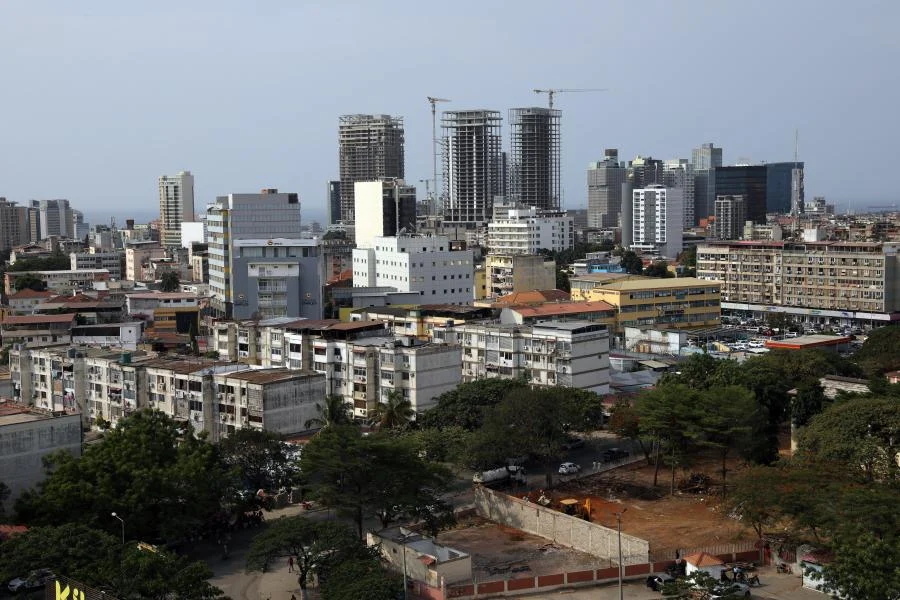
The Angolan network of the United Nations Global Compact, officially launched today in Luanda, already includes 65 participating companies, according to executive director for Angola, Eliana Santos.
The network aims to strengthen sustainable business practices and support organizations in adopting international standards of sustainability, transparency, and good governance, following principles aligned with the areas of human rights, labor, environment, and anti-corruption.
Eliana Santos explained that work began four years ago with a survey of the Angolan market to identify companies already working on their sustainability efforts. She noted that the initial strategy focused on the financial sector, where companies show a greater appetite for these issues, resulting in the current 65 companies committed to the United Nations Global Compact.
Annually, these companies will be required to report their progress through a dedicated platform, Santos said, emphasizing that by joining the network, companies not only become more sustainable but also conduct business with greater responsibility and remain more attentive to required international standards.
Read more: Macau: Angola Chamber of Commerce says consulate closure is a setback
Created by the United Nations, the Global Compact currently brings together more than 25,000 participants in over 100 countries and is considered the world’s largest corporate sustainability initiative. According to Sanda Ojiambo, UN Assistant Secretary-General and CEO of the United Nations Global Compact, there are 65 networks worldwide, ten of which are in Africa, and the Angola network will join more than a thousand companies on the African continent.
According to a statement from the Global Compact, the priorities of the new network include company membership and the launch of initiatives aligned with national priorities and the principles of the Global Compact. The organization also intends to promote capacity-building and cooperation programs among Lusophone countries through partnerships with networks in Brazil, Portugal, and Mozambique.
