

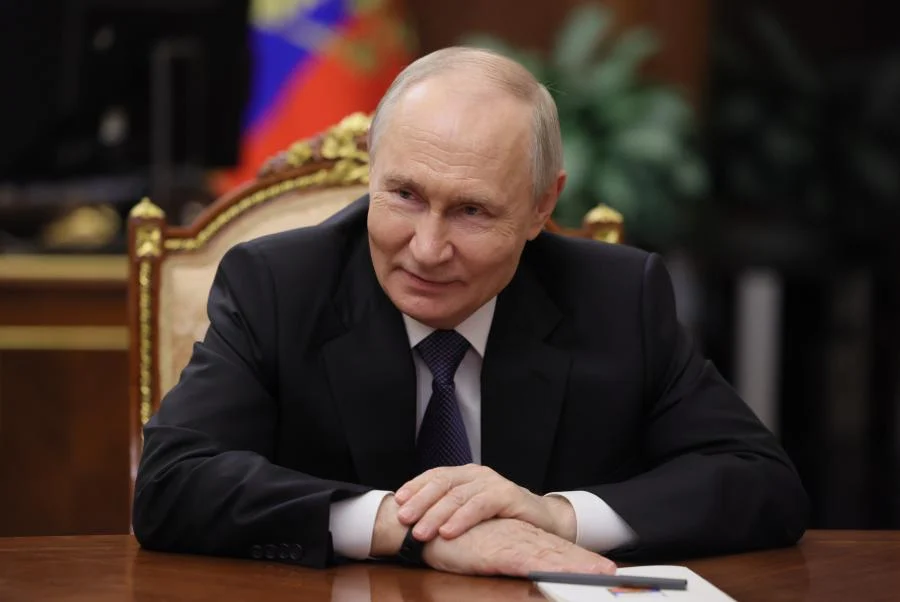
The Kremlin has announced a unilateral 48-hour ceasefire in Ukraine to coincide with Victory Day, the annual commemoration of the Soviet Union’s defeat of Nazi Germany. Russian presidential spokesperson Dmitry Peskov confirmed during his daily press briefing that the truce will go into effect at midnight local time, covering May 8 and May 9.
This symbolic pause in hostilities comes during a period of heightened regional tension. While the Kremlin presented the move as a gesture of respect for the historical holiday, officials in Moscow accompanied the announcement with a stern warning. The Russian presidency has threatened to launch “massive strikes” against Ukrainian positions should Kyiv take any military action that disrupts the planned celebrations.
Read more about this topic: Ukraine: Putin declares a unilateral ceasefire for May 8-9 (with video)
Ukrainian President Volodymyr Zelensky responded by adopting a reciprocal unilateral ceasefire starting Wednesday at midnight. However, the prospects for a quiet 48 hours remain dim; Zelensky has already accused Moscow of violating its own commitment with a series of fresh attacks immediately following the announcement. Both sides continue to trade accusations of bad-faith diplomacy as they navigate the complexities of temporary cessations in a high-stakes conflict.
Despite the official declarations from both capitals, military analysts remain skeptical that the front lines will fall silent. Victory Day remains the most significant secular holiday in Russia, often marked by massive military parades in Moscow, and the Kremlin appears intent on ensuring the optics of the holiday are preserved regardless of the ongoing operational realities on the ground.
