

The European Parliament and Member States reached a decisive agreement on Wednesday night to prohibit Artificial Intelligence services capable of “undressing” individuals without their consent. The new regulation aims to combat the rise of non-consensual deepfakes, a trend that has caused international outcry and prompted urgent legislative action within the bloc.
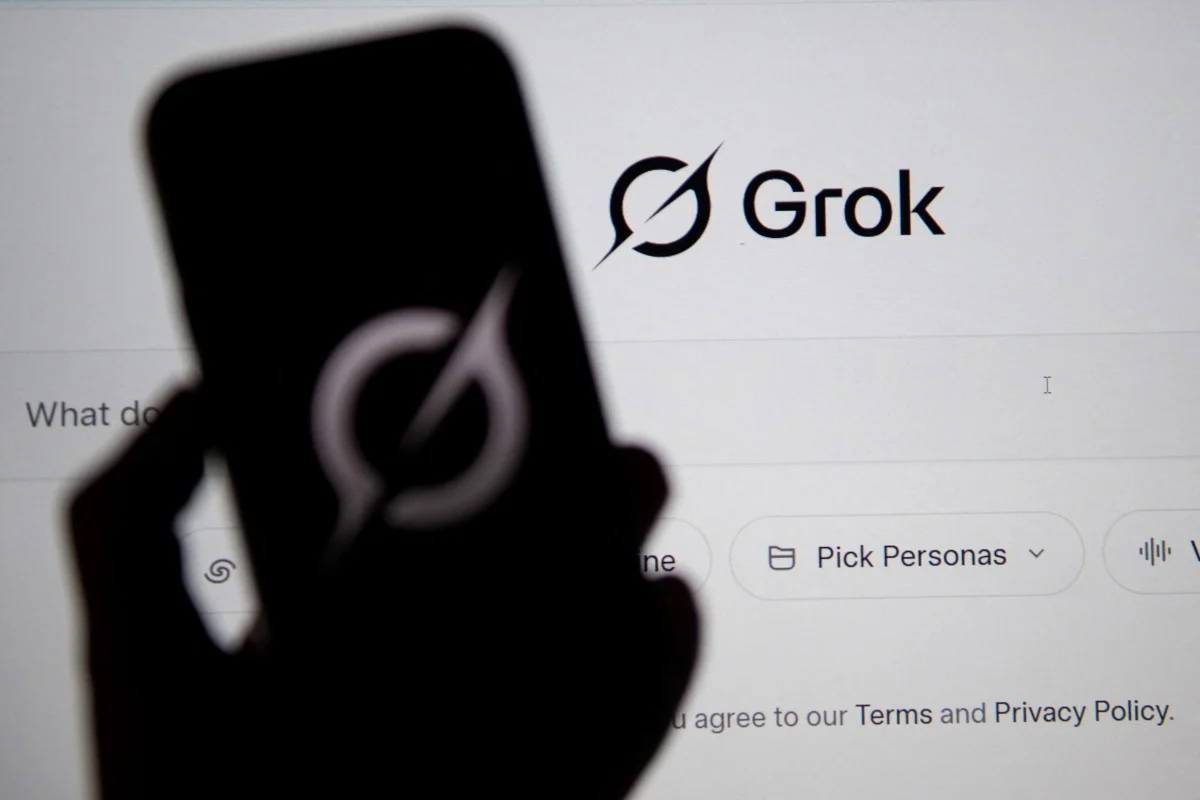
The initiative gained momentum following a controversial feature introduced to Grok, the AI assistant on social media platform X, which allowed users to generate hyper-realistic nude montages of both adults and children using real photographs. This case, alongside high-profile incidents such as Italian Prime Minister Giorgia Meloni condemning deepfake images of herself as a “dangerous tool,” accelerated the EU’s investigative and legislative response.
According to the European Parliament, the ban specifically targets AI systems designed to create pornographic images, videos, or sounds involving children, or identifiable adults depicted in sexual activities or with exposed intimate parts without authorization. These new rules are set to take effect on December 2, by which time AI developers must implement technical safeguards to prevent their systems from generating such content.
Read more about this topic: Elon Musk fueled controversy with fake sexual images, says French prosecutors
This measure is part of a broader revision of the European AI Act, the pioneering regulatory framework formally approved two years ago. While the ban on non-consensual sexual content is immediate, the EU has simultaneously agreed to postpone the implementation of regulations for “high-risk” AI systems—those used in sensitive sectors like healthcare, security, and fundamental rights.
The new deadlines for high-risk systems are now fixed: December 2, 2027, for “standalone” systems, and August 2, 2028, for AI integrated into other products or software. This delay, requested by the European Commission, is intended to give companies sufficient time to adapt to the complex regulatory environment.
The agreement comes amid renewed anxiety regarding advanced AI models, highlighted by the recent caution surrounding “Mythos,” the newest model from the U.S. startup Anthropic. Due to the model’s exceptional ability to identify critical programming vulnerabilities—which could potentially trigger cybersecurity crises—Anthropic has restricted its access to a small group of American firms, bypassing a general public release.
