

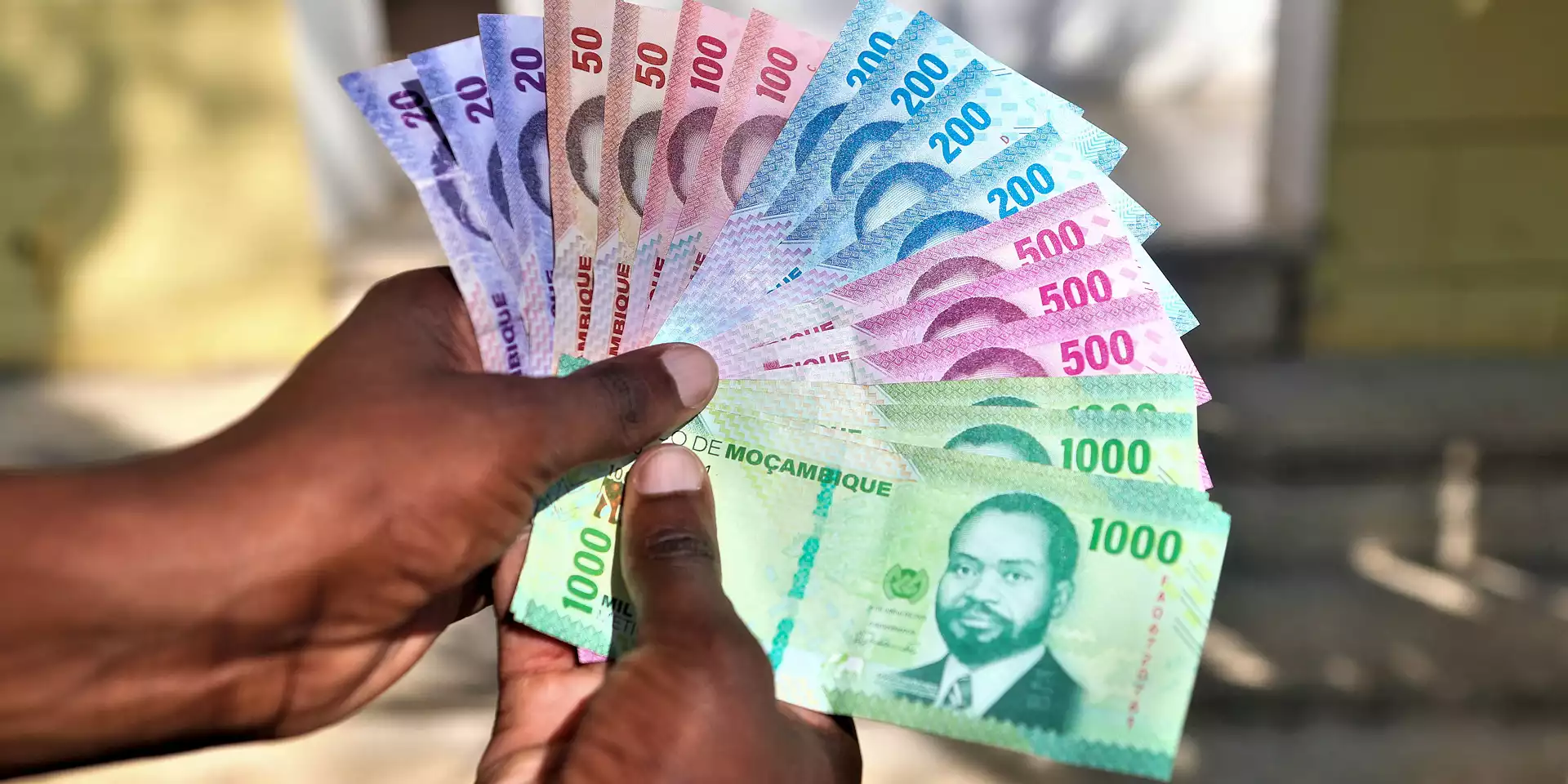
Mozambique’s Public Prosecutor’s Office has frozen 4.052 billion meticais—approximately 54 million euros—linked to money laundering investigations in 2025. According to Attorney General Américo Letela, who presented the annual report to parliament, the number of money laundering cases rose by 19.4% to 228 during the year.
Out of a total of 656 cases analyzed, which included files carried over from previous periods, authorities have finalized 59, archived 43, and are actively pursuing the remaining files through legal channels.
Letela highlighted that illicit financial flows continue to pose a significant challenge, with perpetrators frequently using fragmented cash deposits, rapid bank transfers, and over-invoiced import transactions to move funds. The report also identified emerging trends, such as the use of real estate investments and the purchase of crypto-assets to obscure the origin of capital.
This crackdown comes on the heels of a major diplomatic milestone, as the Financial Action Task Force (FATF) officially removed Mozambique from its international “grey list” on October 24, 2025.
Read more about this topic: Mozambique: arrests made Ministry of Finance over corruption and misuse of funds
Having joined the list in 2022, Mozambique’s exit acknowledges its progress in meeting international financial standards, a status the government is now determined to maintain through continued vigilance and institutional strengthening.
Beyond financial crime, the Public Prosecutor’s Office addressed the ongoing security crisis in Cabo Delgado, where extremist attacks have persisted for eight years. Letela reported that 462 individuals have been convicted for terrorism-related crimes since the insurgency began.
He proposed the creation of a dedicated center for the deradicalization and rehabilitation of former extremists, arguing that psychological support and ideological deconstruction are essential for successful social reintegration after prison terms conclude.
The Attorney General emphasized the complexity of combating a movement that receives foreign financing while also engaging in local extortion, including setting up illegal road barricades to extract money from drivers and passengers.
Read more about this topic: Bank of Mozambique calls for vigilance against money laundering
To counter these threats, he called for improved inter-institutional coordination, better strategic intelligence sharing, and specialized court sessions for Cabo Delgado.
The region remains volatile, with recent data from the ACLED organization indicating 6,518 deaths since the conflict began in 2017, underscoring the severity of the situation as the nation seeks to balance economic stability with humanitarian and defense priorities.
