

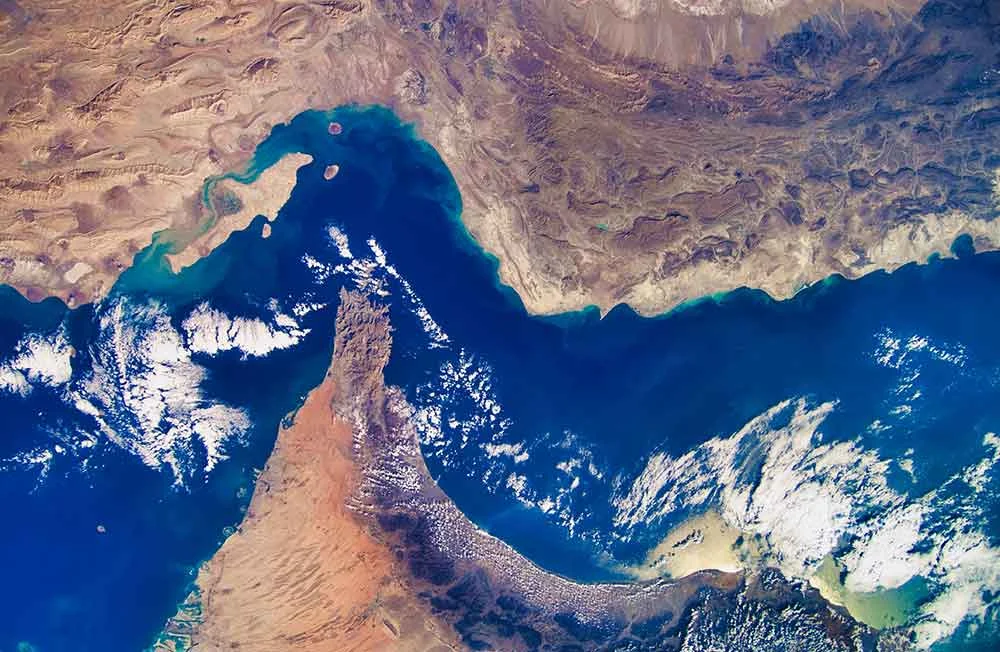
The strategic waters of the Strait of Hormuz have become the site of a devastating maritime engagement, where Iranian forces successfully targeted and destroyed three vessels, an act that has sent shockwaves through global energy markets and military command centers. The destruction of these ships marks a violent escalation in the ongoing regional standoff, severely testing the stability of one of the world’s most critical maritime chokepoints.
While the specific identities and registries of the destroyed vessels remain a subject of intense analysis, the sheer kinetic force deployed by Iranian forces to ensure their total annihilation underscores a significant increase in the lethality of regional hostilities.
Despite the carnage resulting from the destruction of these three ships, a fragile diplomatic lifeline has emerged to prevent further military reprisal. President Donald Trump announced today that the United States will extend its current ceasefire with Iran, a policy shift that arrives as a direct result of urgent appeals from Islamabad.
According to reporting by the Associated Press, “Trump says the US will extend its ceasefire with Iran at Pakistan’s request,” reflecting a high-stakes diplomatic maneuvering aimed at preventing the destruction in the Strait of Hormuz from spiraling into a broader, uncontrollable war.
Read more about this topic: Iran War: Russia condemns “illegal” U.S. blockade of Hormuz (with video)
The decision to maintain the ceasefire, even in the immediate aftermath of the vessel sinkings, highlights the administration’s reliance on regional intermediaries to navigate the current crisis. By choosing to prioritize the Pakistani-brokered ceasefire over an immediate kinetic retaliation for the destroyed ships, the White House is signaling a calculated attempt to contain the fallout before it disrupts global shipping lanes permanently.
Whether this diplomatic intervention can sufficiently temper the regional aggression that led to the destruction of the ships remains the central question for international observers, who are now monitoring the Strait of Hormuz with heightened concern as the terms of the extended ceasefire take effect.
