

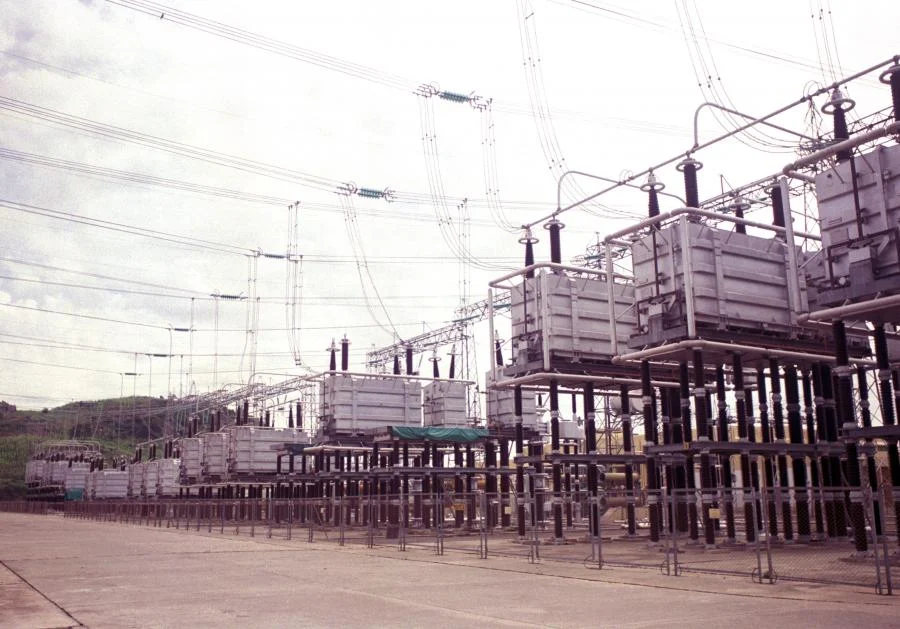
Mozambique’s electricity exports fell 41% between January and September 2025, totaling approximately €275 million ($318.2 million), compared with €462.1 million ($535.3 million) during the same period in 2024. The decline was primarily caused by drought at the Cahora Bassa Hydroelectric Dam (HCB), one of Africa’s largest dams, and technical issues at key suppliers that limited exportable energy.
The current rainy season has already helped HCB more than double its reservoir levels, recovering from historic lows caused by the drought. HCB CEO Tomás Matola reported that water storage is approaching 50% capacity and expects continued recovery throughout the year, which will support domestic production and exports to neighboring countries, including Zambia, Zimbabwe, Malawi, Eswatini, and South Africa.
Read more: Mozambique: President to subsidize fuel if prices rise due to Iran War
Electricity production in Mozambique fell 25% in 2025, heavily influenced by low water levels at HCB, marking the worst rainfall in 43 years. Hydropower accounted for nearly all of the country’s generation, with HCB producing 11,207,934 MWh, 30.7% lower than 2024, while total national production reached 14,408,381 MWh, 25.4% less than the previous year.
The energy shortage also contributed to the temporary suspension of operations at Mozal, the country’s largest industrial facility, affecting over 4,000 direct and indirect jobs. Plans for expansion include the new Mphanda Nkuwa Dam (1,500 MW) and solar projects to strengthen Mozambique as a regional energy hub, with a long-term HCB capacity goal of 4,000 MW by 2034.
