

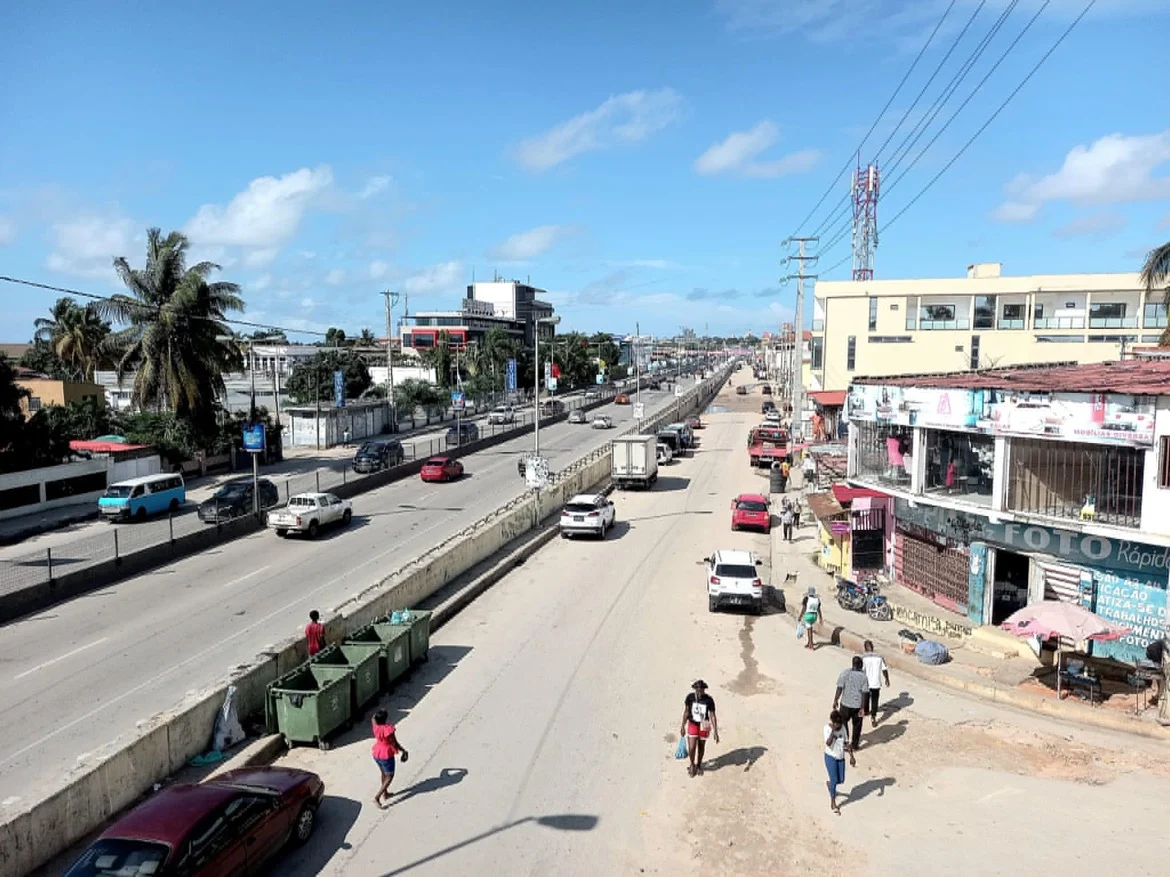
The Angolan Minister of Tourism said today that the number of tourists visiting Angola for leisure grew by 20%, rising from 44,000 arrivals in 2024 to 52,072 in 2025, countering the trend of visits to the country for business purposes.
According to Márcio Daniel, Angola has begun to shift the profile of visitors to the country, emphasizing that this growth is the result of ongoing communication efforts aimed at promoting Angola as a tourist destination.
“We will continue to have business tourists, but we must focus primarily on leisure tourism. We do not want to attract only tourists; we want tourists whose average spending per trip is also high, and this is measurable. We have the tourism statistics program, which will soon regularly provide information on how much we are generating from the presence of a tourist in the country,” he said.
The Minister of Tourism explained that the country’s promotion strategy involves showcasing destination brands and packages in Germany, Austria, and Switzerland, and is now expanding to Spain, Poland, and the United Kingdom.
Read more: Angolans still suffer “absolute misery and deliberate discrimination”
“In Germany, by 2030, statistics indicate that there will be around 30 million retirees, and the average income at the peak of a career in Germany is above $4,000. People with plenty of time and money to travel. If we can attract 10% of this tourist segment, we are talking about quintuplicating the number of tourists we currently receive,” he stressed.
The promotional work, according to Márcio Daniel, includes “Press Trips” – trips for travel journalists to visit the country and write about Angola – as well as “Fam Trips” – invitations to tour operators to experience what they can offer to clients.
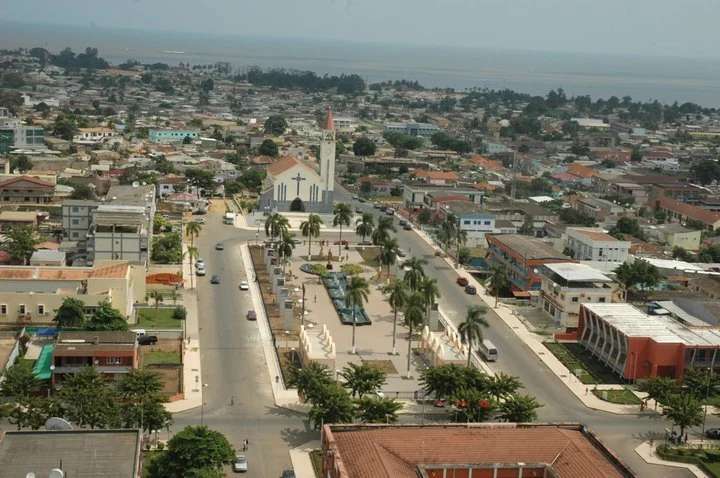
Photo: DR
The minister highlighted that “the number of publications in specialist tourism media about Angola is enormous; every day news about Angola is published because of this strategy.”
Márcio Daniel acknowledged that the tourism sector still faces challenges, giving “great recognition to all entrepreneurs who have invested, maintained, and reinvested over the years.”
Read more: Iran War: Angola’s economy among the most benefited in Africa
“They are real heroes, and we must acknowledge that. For example, until recently, here on Mussulo Island, to operate a resort or restaurant, entrepreneurs had to spend 12 million kwanzas (over 11,000 euros) per week on fuel to have electricity,” he noted.
The minister added that electricity has recently been brought to Mussulo, which “alone already offsets the costs.”
Regionally, he said the focus is on cross-border environmental conservation, particularly the Kaza Project in the Okavango-Zambezi region, which includes Angola, Namibia, Zambia, Botswana, and Zimbabwe—a region that annually attracts over eight million tourists, excluding Angola.
“The most protected area is the Angolan part, which remains the least explored. We want to start there, creating infrastructure on the Angolan side so that tourists visiting the region can also enter our territory,” he explained, noting that there are also initiatives for visa exemptions for African countries.
In 2023, Angola exempted citizens of 98 countries, including 14 African nations, from tourist visa requirements.
