

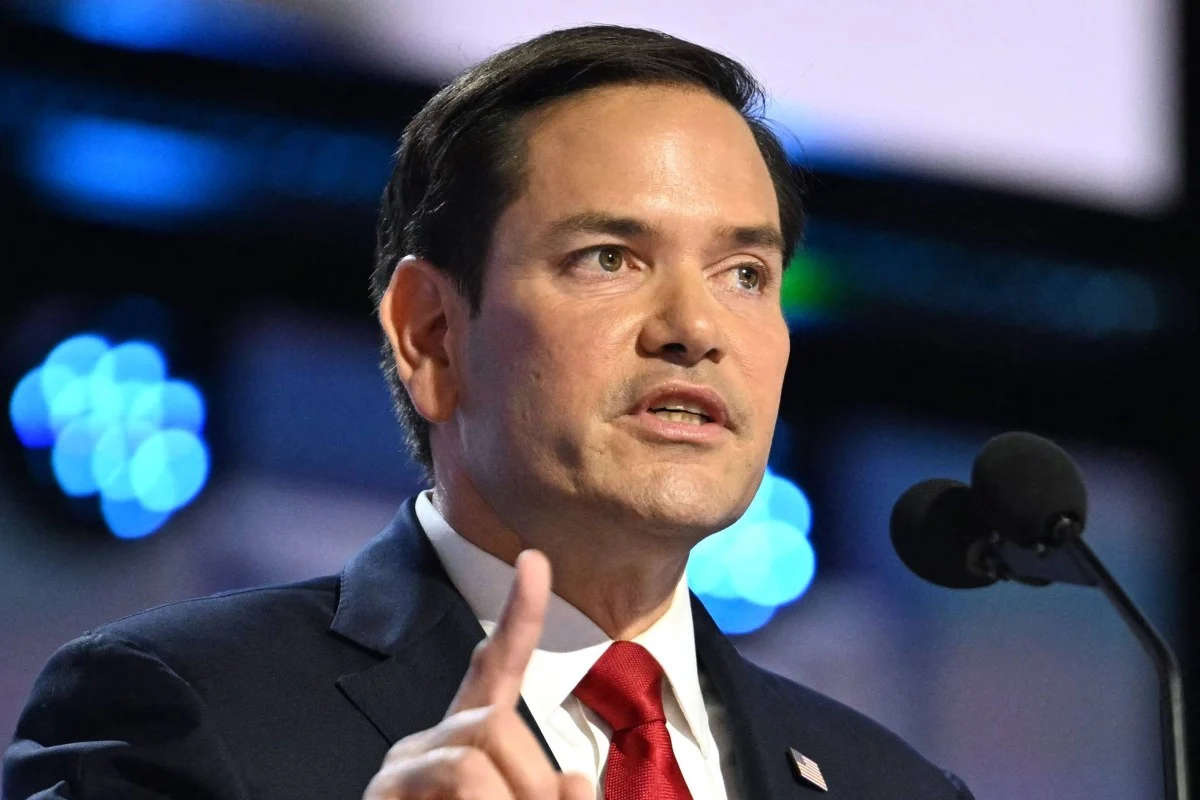
After the meeting, Rubio stated that not engaging in dialogue with China is a “dereliction” of geopolitical responsibility, emphasizing that the U.S. has a duty to manage differences and avoid conflict.
According to the U.S. State Department, Rubio highlighted during the conference that as two major global economies and powers, the U.S. has an obligation to maintain communication with China.
He acknowledged that despite the significant global interests of both nations, which often diverge, they must work diligently to manage their differences and prevent economic or worse conflicts. In areas of shared interest, the U.S. and China should collaborate to benefit the world.
Rubio stressed that while engaging with China, countries will prioritize their national interests, just as the U.S. expects China to do the same. The goal of diplomacy, he noted, is to seek peaceful resolutions amid conflicting interests. Regarding trade issues, he asserted that the U.S. bears a “special responsibility” to address long-term challenges to reduce unnecessary friction.
A U.S. State Department spokesperson later described the conversation between Rubio and Wang as “active and constructive,” highlighting the importance of pragmatic communication.
On the same day, Wang Yi delivered a speech during the “China Session” at the Munich Security Conference. He stated that China always approaches its relations with the U.S. with a sense of responsibility toward history, its people, and the world, advocating for mutual respect, peaceful coexistence, and win-win cooperation in seeking the correct way to interact between the two countries.
Wang emphasized that China will adhere to this overarching direction, but whether the goals can be achieved depends on the U.S. attitude. He criticized some in the U.S. for attempting to contain and suppress China, as well as for attacking and slandering it.
