

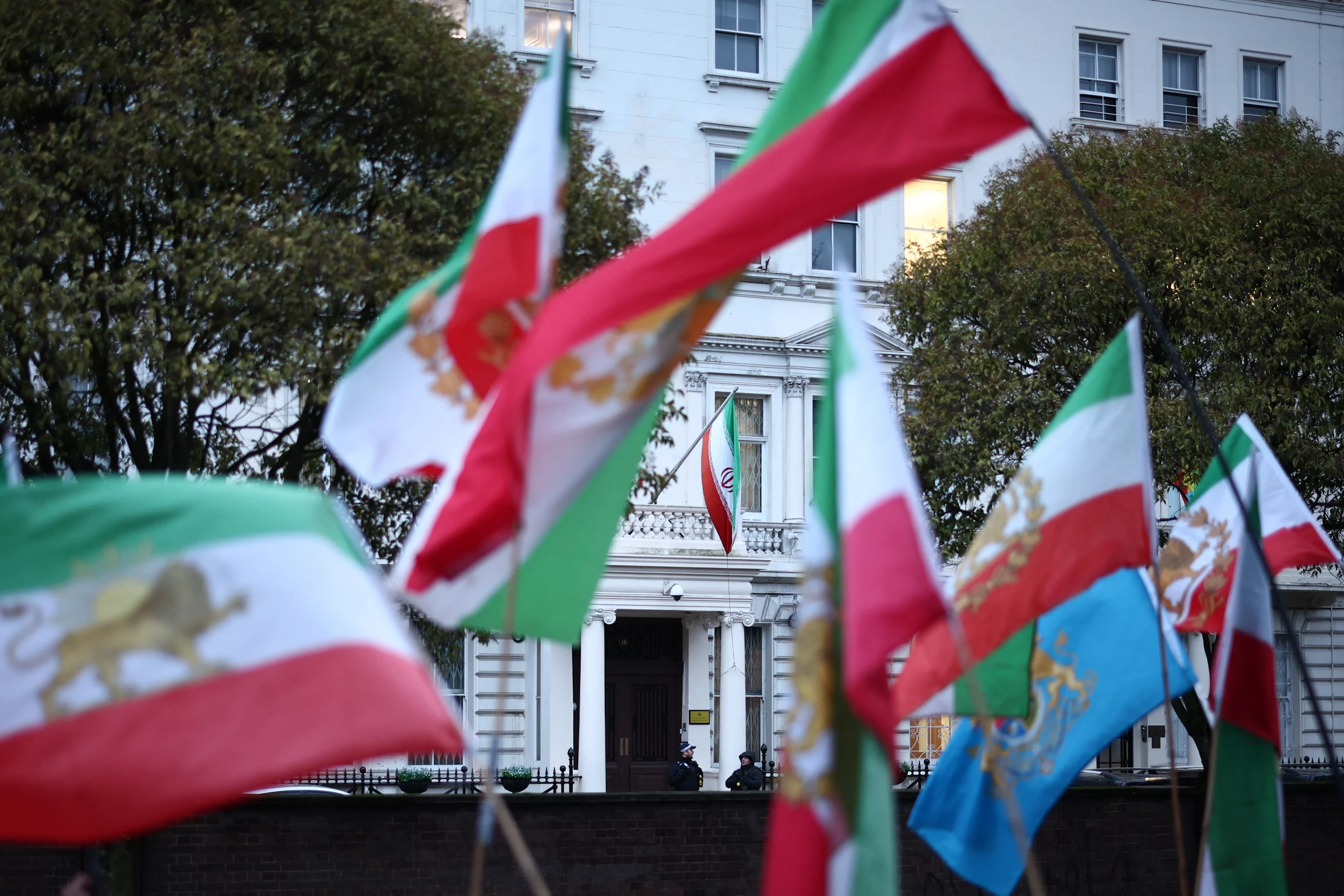
The discussions follow a significant US military build-up in the Middle East, triggered by Iran’s violent crackdown on nationwide anti-government protests last month, which human rights groups say resulted in thousands of deaths.
Uncertainty over the venue and scope of the talks had threatened to derail the meeting, which forms part of a diplomatic effort by regional mediators to ease tensions. Despite this, Washington and Tehran remain far apart on key issues, though there is hope the talks could lead to a framework for broader negotiations.
The United States is demanding that Iran freeze its nuclear programme and dismantle its stockpile of enriched uranium, while also seeking to address Iran’s ballistic missile programme, support for armed groups in the region and its domestic human rights record. Iran has insisted the discussions be limited to nuclear issues.
US President Donald Trump has repeatedly threatened military action if no deal is reached and has ordered thousands of troops and major naval assets to the region. Iran has vowed to retaliate against any attack, warning it would target US military assets and Israel.
The Iranian delegation will be led by Foreign Minister Abbas Araghchi, while the US side will be represented by special envoy Steve Witkoff and President Trump’s son-in-law, Jared Kushner. The talks mark the first direct engagement between US and Iranian officials since last year’s Israel-Iran war, when US forces bombed Iran’s main nuclear facilities.
