

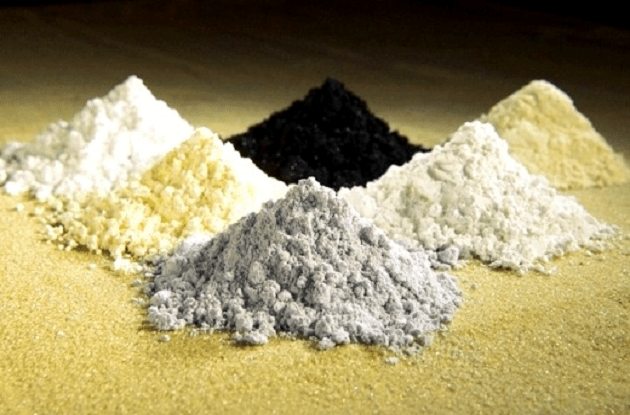
While the specific country was not disclosed, investigations show that a certain nation, unable to produce high-purity rare metals independently, has long relied on falsifying labels and misrepresenting compositions to smuggle Chinese rare earths abroad.
Those involved declared rare earths as low-value goods such as “ferroalloys” or “nickel powder,” or concealed them within common items like ceramic tile raw materials and plastic mannequins. Some cases revealed that high-purity rare earths, such as dysprosium and terbium, were declared as “solder paste” or “refractory materials.” In other instances, these materials were processed into primary products and exported under the guise of “alloy parts” in an attempt to evade regulatory oversight.
Following joint investigations and evidence collection with relevant departments, state security agencies have successfully intercepted multiple illegal transportation channels. Authorities emphasized that rare earths are strategic resources widely used in high-tech industries. China holds a crucial position in the global supply chain, making it a target for foreign forces seeking to illicitly obtain these materials.
The MSS noted that, often referred to as “industrial gold,” China leads the world in rare earth reserves, production, and exports. Some countries, aiming to secure their supply, continuously resort to illegal means to acquire these resources. The MSS urged industries to strengthen their scrutiny and guard against smuggling risks.
