

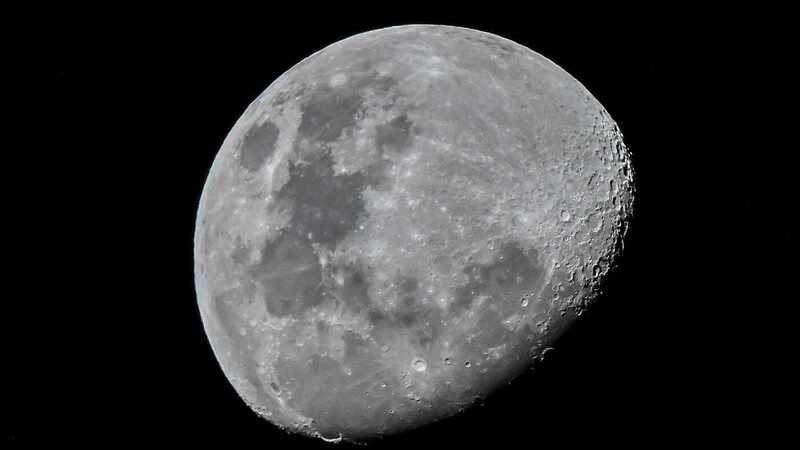
Professor Mahesh Anand, the only UK scientist granted access to this extremely rare material, describes it as “more precious than gold dust” and expresses his honor at being able to study samples that no one else has had access to.
The samples were collected during China’s Chang’e 5 mission in 2020, where a robotic arm drilled into a volcanic area called Mons Rümker to gather about 2 kg of material. This mission marked the first successful lunar sampling since 1976, positioning China as a key player in the current space race. In a significant move for international collaboration, China is sharing these samples with seven researchers from around the world, allowing for new scientific discoveries.
Upon returning to the UK, Professor Anand and his team prepared an ultra-clean environment to prevent contamination of the lunar dust. The samples, which amount to just 60 mg, will be meticulously analyzed to answer fundamental questions about the Moon’s formation and the early history of Earth.
Anand emphasizes that even this small quantity is sufficient to keep his team busy for years. Inside the lab, technician Kay Knight is eager yet nervous about working with the lunar samples, given their rarity and the high stakes involved. After her initial preparations, the samples will be further analyzed in specialized labs equipped with unique machines.
One such machine, built by technician Sasha Verchovsky, can heat the dust to 1400 degrees Celsius for extracting gases, while another will measure the oxygen content within the samples.
Looking ahead, Professor Anand hopes this collaboration with China will pave the way for future partnerships in lunar research. With the ongoing advancements in China’s space missions, including the Chang’e 6 mission that aims to bring back samples from the far side of the Moon, Anand believes this could signal the start of a fruitful tradition of international scientific cooperation in studying lunar materials.
