

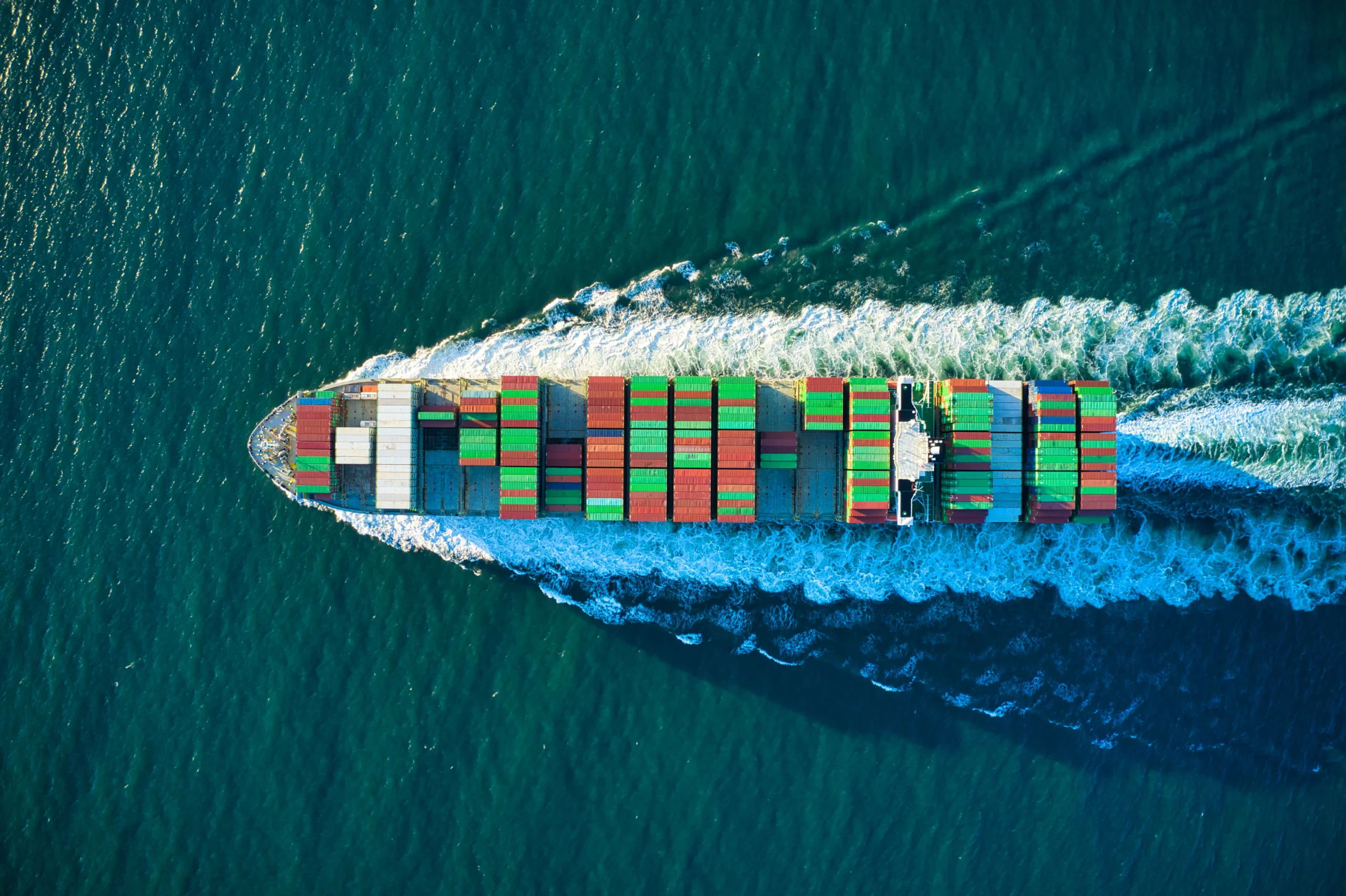
The trade war between China and the United States has “little direct impact on Macau, for now,” says Ip Sio Man, president of the Macau Suppliers Union Association, to PLATAFORMA. However, he warns that it may cause “serious problems in maritime transport in the future.” Due to U.S. tariffs on Chinese products, there is less return trade flow: “A container ship usually carries tens of thousands of containers; but on the way back, if it only carries a few hundred, it doesn’t cover costs.”
That imbalance, according to Ip, may result in reduced shipping frequency, container shortages, and sharply increased import costs. “Last year, Macau imported about MOP 10 billion worth of goods from the U.S.; and some of those products may gradually be replaced by those from other countries.” For example, meat could come from Australia, New Zealand, or Brazil, while fruits such as oranges, apples, and grapes are already beginning to be imported from South America and mainland China. “The U.S. used to dominate; now, the quality from other markets is already meeting demand.”
Beijing’s recent decision to allow the re-export of foreign fruits to Macau via mainland China is also opening up more logistical channels. “This policy gives us room to diversify the origin of goods and gain flexibility in the supply chain,” concludes Ip Sio Man.
Logistics in Transition
The current cost of maritime transport from the U.S. to Asia is around MOP 10,000 per container. It is still “under control,” says Ip Sio Man; but if shipping delays become the norm, “what usually takes a month could start taking three or four months.” That would force companies to place orders in advance or find alternatives. He assures, however, that “there will be no supply shortages,” as essential products — such as cooking oils, rice, and pasta — mainly come from Thailand, China, and Japan.
Mainland China’s production capacity is also gaining importance. “For example, flour, which used to be produced in the U.S. and Canada, is now mostly manufactured in China, both by local and foreign factories,” notes Ip.
Lei Kuok Fai, director of the Macau Association of International Logistics and Transportation, advocates a “low-key response” from the sector to U.S. tariff issues. He emphasizes that Macau retains its status as an independent customs territory and is not included in the U.S. tariff hike lists, but he warns of the need to monitor developments.
According to official data, Macau exports about MOP 13 billion per year, of which only MOP 300 million goes to the U.S. — mostly clothing and handicrafts.
However, the recent U.S. decision to revoke the tariff exemption for low-value goods (under MOP 6,400) coming from China and Hong Kong has already had an impact. “This measure will directly affect Hong Kong’s re-export trade and, by extension, Macau’s air cargo transportation,” Lei points out, predicting up to a 20% drop in air shipment volume.
In this new context, Lei advocates for supplier diversification and potential adjustments in the re-export model via Hong Kong. “As a microeconomy, it will be difficult for Macau to completely avoid the side effects of the tariff conflict.”
