

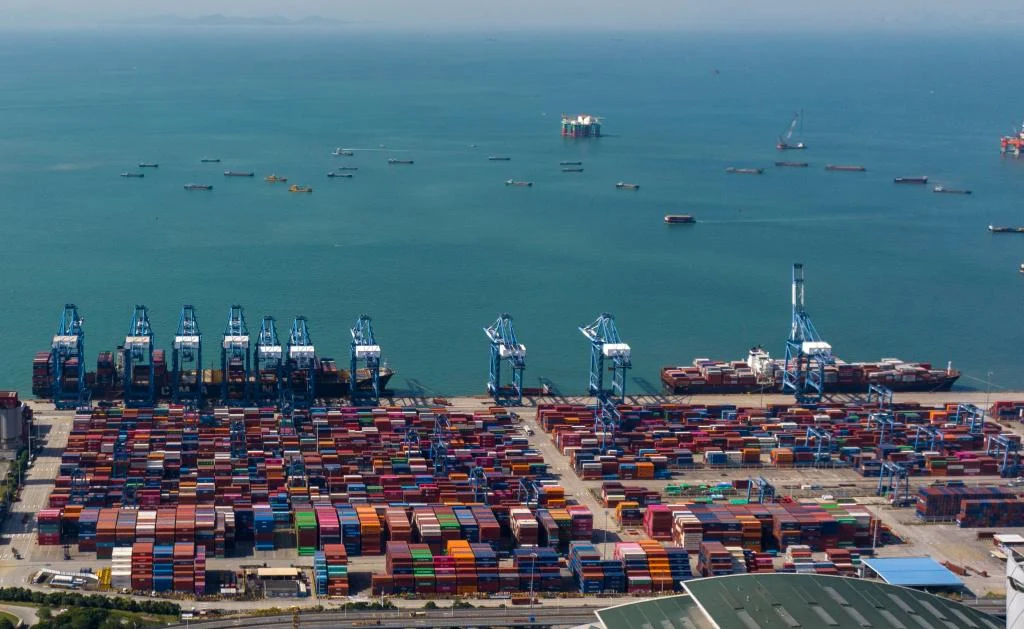
China is aggressively bolstering its economic security framework in response to global instability, implementing new regulations that tighten control over critical supply chains. According to a report by the Berlin-based think tank MERICS, these measures enhance Beijing’s capacity to counter foreign sanctions while neutralizing “de-risking” strategies adopted by multinational corporations.
The State Council recently introduced two pivotal sets of regulations that came into force in April, granting authorities sweeping new powers to oversee industrial operations. These legal frameworks allow the government to monitor and penalize both domestic and foreign companies, providing a robust legal basis for Beijing to retaliate against commercial activity deemed undesirable.
Zheng Shanjie, head of the National Development and Reform Commission, recently emphasized in the People’s Daily that China is prioritizing technological self-sufficiency. He warned that despite significant progress, persistent vulnerabilities remain, particularly regarding dependence on imported raw materials and limited access to critical foreign technologies that could leave the nation exposed to pressure.
Read more about this topic: Lusophone cities have “a lot to learn from China,” says UCCLA
The government is actively broadening its policy toolkit to prevent foreign partners from diversifying away from the Chinese market, effectively locking companies into its regulatory orbit. This shift reflects a strategic attempt to fortify macroeconomic resilience against external shocks, ensuring that the country can maintain control over its essential industrial assets regardless of international climates.
Jacob Gunter, a lead researcher at MERICS, characterized China’s economic securitization as one of the most extreme examples in modern history. He noted that this policy trajectory began when President Xi Jinping ascended to power and has only intensified over time, suggesting that the current leadership is unlikely to change course, regardless of international diplomatic pressure.
