

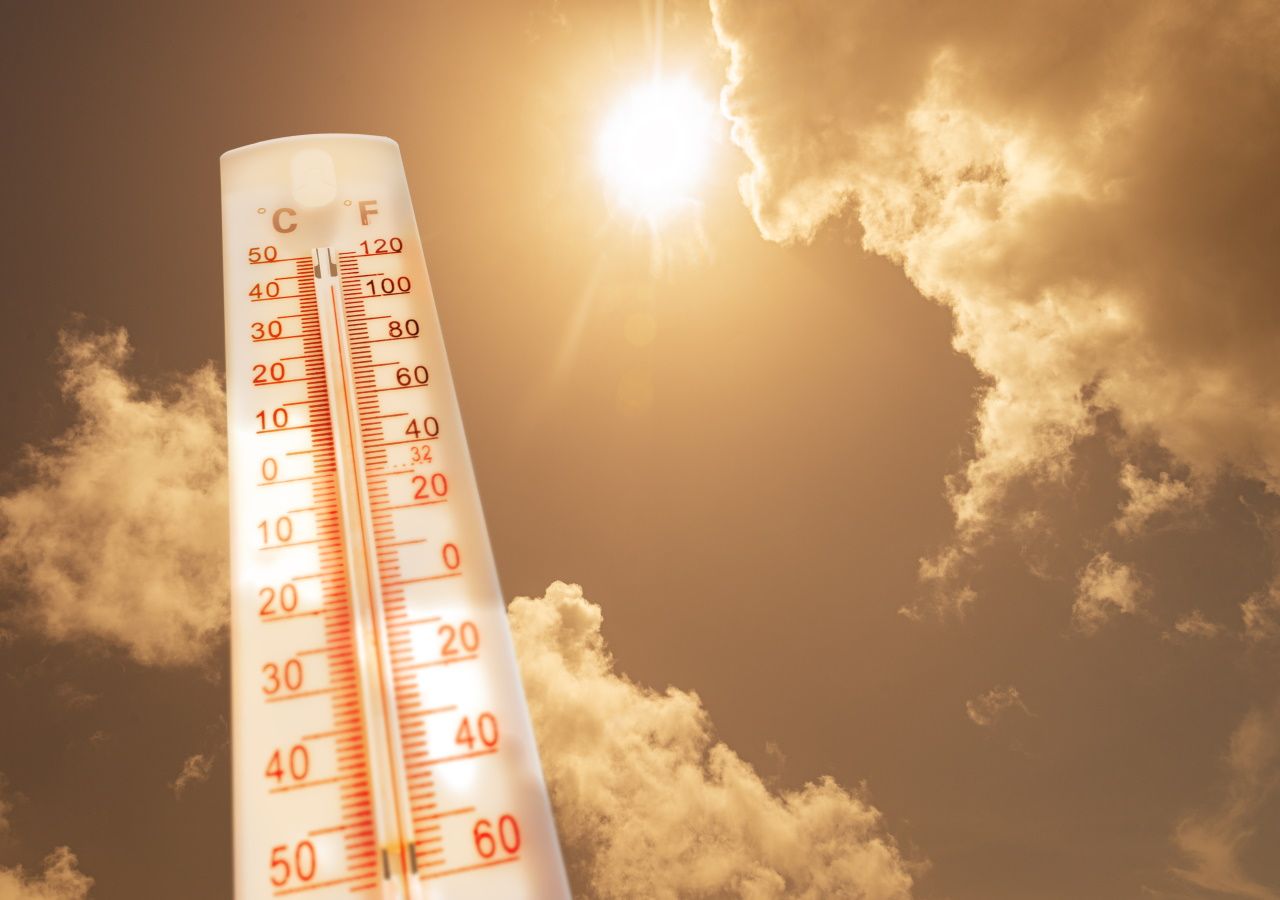
Rising temperatures threaten the lives and health of millions of workers working in extreme heat, experts warn at a conference this week in Qatar, a wealthy Gulf state especially hard hit by the heat.
Gathered since Tuesday in Doha – where the temperature reaches 40ºC in spring – the specialists highlighted that tens of thousands of workers in the world have died from chronic kidney diseases and other pathologies related to extreme heat in recent decades.
“Science tells us that all States can do more” to fight this phenomenon, says Ruba Jaradat, director of the International Labor Organization (ILO) for Arab countries, in a conference dedicated to thermal stress in the working world.
Last year’s World Cup in Qatar highlighted that some people worked in summer temperatures of up to 50ºC in the Gulf countries.
The Qatari government, which prides itself on having adopted – under international pressure – the most advanced reforms in the Arab world, has banned outdoor work since 2021 during the peak heat of the day, from June to September.
But experts and NGOs say the gas-rich emirate could do more.
Researchers claim that extreme heat and solar radiation cause heatstroke, kidney, heart and lung disease, increasing cancer rates.
About 1 billion agricultural workers and tens of millions of outdoor workers are affected, according to the same source.
Construction workers can be exposed to ultraviolet radiation for 30 to 40 years enough to more than double their risk of skin cancer.
Main cause of death
In a 2020 study, Taiwanese researchers warned that kidney disease due to extreme heat could become “one of the first epidemics due to global warming”.
However, there is still no international standard for this problem, despite concerns about climate change.
The US government has promised new guidelines in 2021 after a heat wave it said was “the leading cause of climate-related deaths in the country”.
Equally affected, Europeans have not taken more concrete measures, with the exception of Cyprus, which limits working hours, requires extra rest and protective clothing when temperatures exceed 35ºC.
In the rest of the world, more than 20,000 workers in Central America and about 25,000 in Sri Lanka died in a decade from kidney disease, according to Justin Glaser, head of La Isla Network, a specialized research center.
But there are solutions.
A cooperation between La Isla Network and sugar companies in Central America showed that workers cut 4.75 tons of sugar cane in nine hours. That number rises to 6.2 in just four hours with better breaks, shade and water, according to experts’ recommendations.
In Asia, hundreds of thousands of Indian salt workers suffer from high rates of kidney disease, says Vidhya Venugopal, professor of occupational health at the Sri Ramachandra Institute in Madras, a hard-hit southern city.
“They don’t have health coverage,” she explained to AFP.
In summer, around 80% of them suffer from heat-related illnesses, while millions of workers in India’s industrial north are also at risk, she adds.
According to the researcher, India and other countries must act. “People get sick, people die. We have to assimilate the measures taken by other countries and adapt them to our own culture, ”she emphasizes.
Vidhya Venugopal points to the responsibility of business leaders who refuse to “lose productivity”.
“That has to change,” she insists.
