

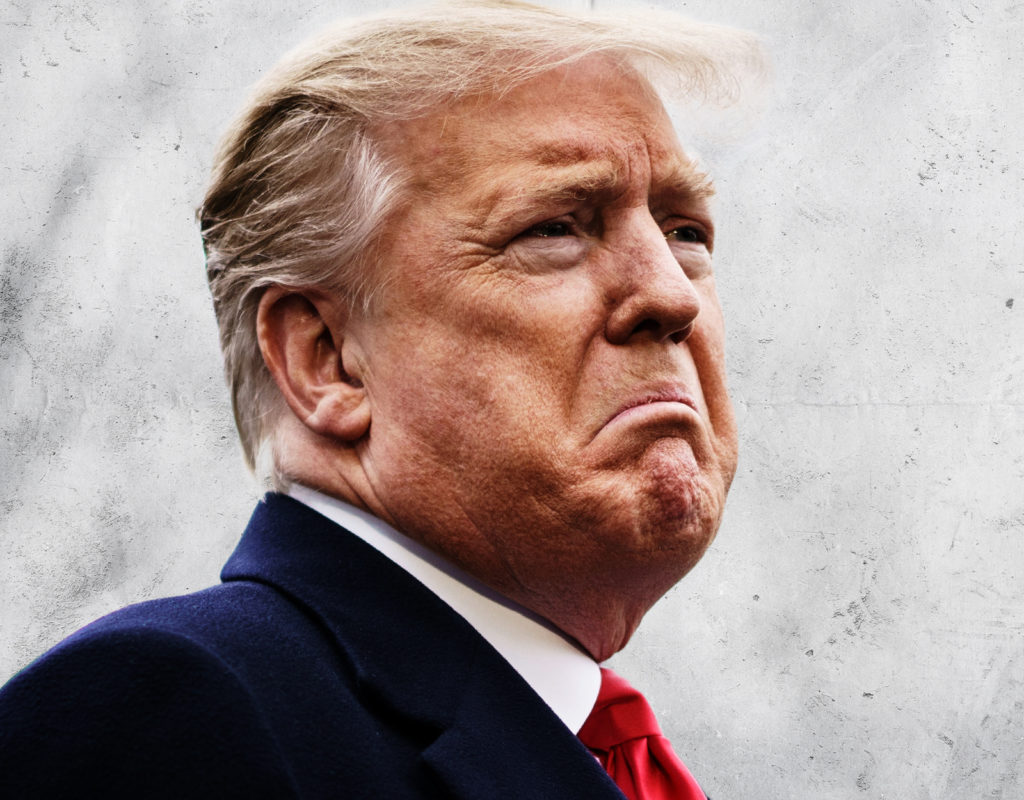
Republican showed signs that, if defeated, he is not willing to promote a peaceful transition of power.
There are sufficient reasons to suspect that a presidential election in the United States may not have a definitive result based only on the votes cast until this Tuesday (3).
Part of the impasses is related to the peculiarities of the American electoral system, but the main factor of instability about the country’s political future is the president and candidate for reelection, Donald Trump.
Although the race for the White House still remains open, the Republican leader appears behind his opponent, Democrat Joe Biden, in the main polls for the intention of voting nationwide.
According to the specialized website FiveThirtyEight, this Sunday (1st), Biden has an 89% chance of being elected president, against a 10% chance in favor of Trump. There is a 1% chance of a draw.
Faced with this scenario, the Republican showed signs that, if defeated, he is not willing to promote a peaceful transition of power. Folha lists the case or case scenarios that do not follow their most natural course.
If defeated, can Trump refuse to accept the result?
Analysts raise three main hypotheses for Trump’s actions that do not correspond to the American tradition of democratic transfers of power. The first concerns an attempt to declare victory before the end of the vote count, disregarding, for example, ballots that will arrive in the mail after election day.
Although without legitimacy, a “self-declared” victory would be yet another act on the president’s list of resources to undermine confidence in the electoral process and direct the decision to a litigious sphere.
The second hypothesis is that Trump could spend weeks refusing to accept defeat amid seeking a legal consensus on which votes can be considered in the official count.
Read more in Folha de S.Paulo
