

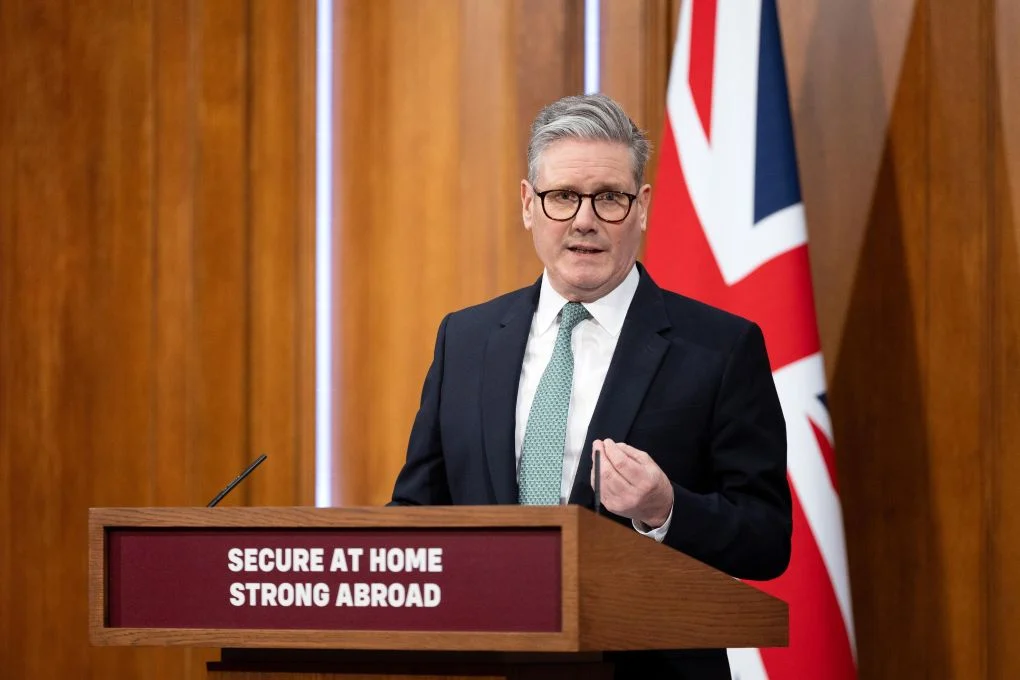
Keir Starmer’s leadership has faced severe scrutiny following Labour’s heavy losses in the May 2026 local elections and controversies surrounding his appointment of Peter Mandelson as US Ambassador. Burnham’s recent Makerfield by-election victory over right-wing Reform UK served as a catalyst, proving his viability as a successor and prompting a cabinet revolt.
According to Xinhua, citing The Observer, reported that Starmer spent the weekend at the Chequers country estate discussing his political future with his wife and advisors. After meeting with cabinet members, union leaders, and donors, he has reportedly acknowledged that maintaining his position is no longer viable.
Pressure from within the cabinet has reached a critical point. Foreign Secretary Yvette Cooper privately requested his resignation over the weekend, while Transport Secretary Heidi Alexander and Home Secretary Shabana Mahmood urged him to outline a departure schedule. Cabinet members are preparing for a collective confrontation during Tuesday’s meeting if he refuses to step down voluntarily.
Burnham’s supporters claim that more than 201 Labour MPs—a majority—are prepared to back a leadership challenge if Starmer does not resign. This figure significantly exceeds the 20 percent threshold required to trigger a contest.
A Labour peer close to Starmer noted that the prime minister understands “staying on won’t quell the chaos.” The source added that Starmer intends to ensure a “careful, orderly” transition of power out of a sense of duty, rather than leaving a political vacuum.
Addressing the situation diplomatically, Business and Trade Secretary Peter Kyle stated on Sunday that he believes the prime minister is “reflecting on the political realities and challenges he faces.”
Read More: UK: under-16s will be banned from social media platforms
Supporters suggest a September departure would allow a new leader to be confirmed at the annual Labour conference, providing a dignified exit and avoiding a humiliating defeat. Despite the growing momentum for his departure, Downing Street sources and government officials cited by Reuters maintain that Starmer remains focused on his official duties, dismissing the resignation reports as “pure speculation.” Starmer himself stated on Friday that he would not “walk away” and would contest any potential leadership election.
If Starmer leaves office this year, the UK will see its seventh prime minister in just over a decade, marking the highest turnover rate at Downing Street in nearly two centuries. Reuters noted that this instability reflects broader public frustration over the government’s inability to address ongoing issues such as public service delivery and illegal immigration.
