

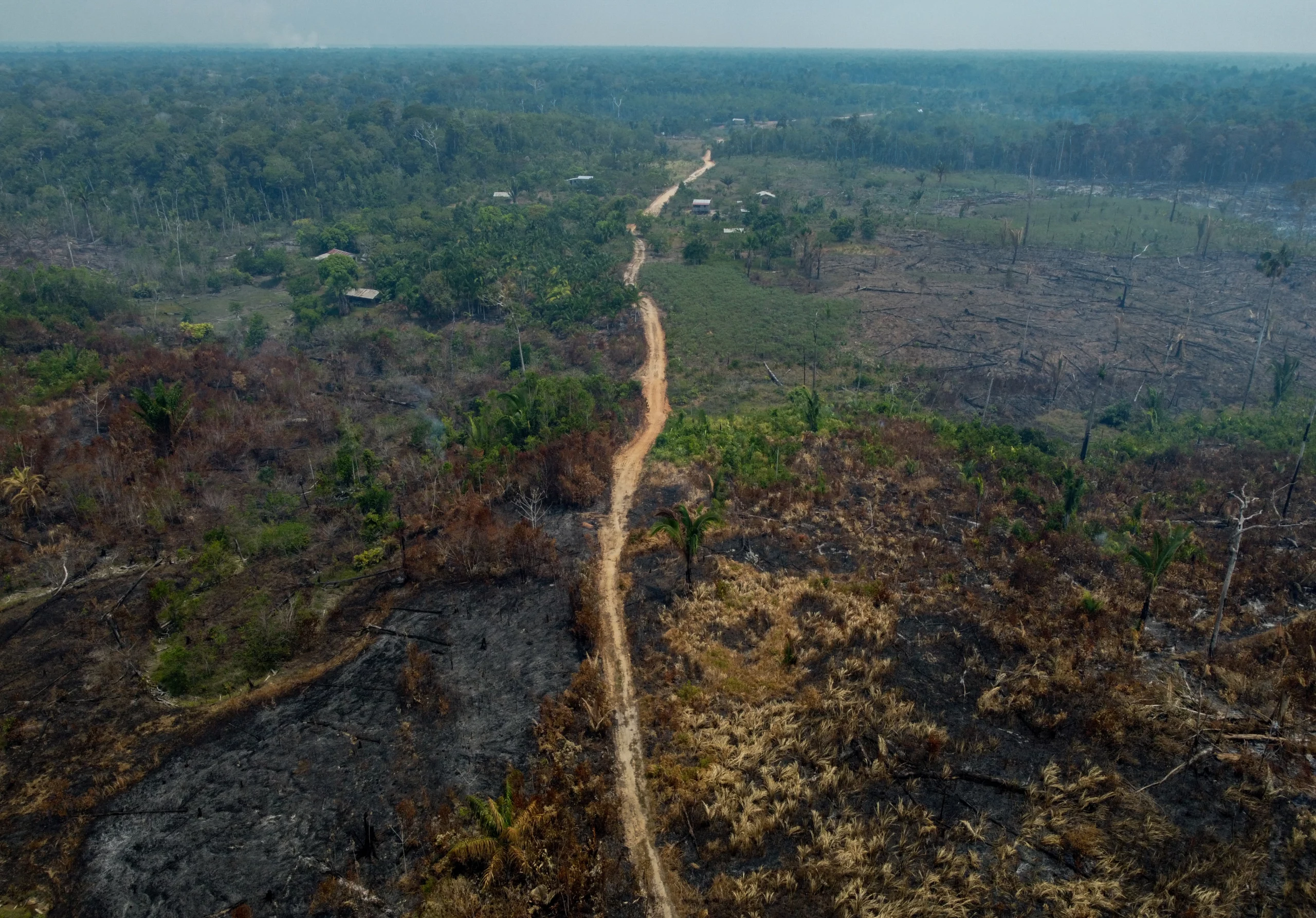
Researchers warned today that forest fires are expected to reach a “particularly severe” level worldwide in 2026, driven by climate change and the emerging El Niño phenomenon.
“This year, the global fire season got off to a very fast start, with more than 50% more burned area than the average for this time of year,” emphasized Theodore Keeping, a wildfire expert from Imperial College London, during a presentation to journalists. The burned area is “20% higher than the previous record set since global monitoring began in 2012,” the researcher indicated, predicting an exceptionally difficult year.
Total burned area across the globe reached approximately 163 million hectares from the beginning of the year until May 6, according to data from the Global Wildfire Information System, compared to a seasonal average of 110 million hectares for the 2012–2025 period.
The trend is particularly acute in Africa, which has recorded its largest burned area since 2012, with historic records in countries such as Gambia, Senegal, Guinea, Mauritania, Mali, Ghana, and Togo. In total, 85 million hectares have burned in Africa so far this year, compared to the previous record of 69 million.
Read more: Amazon fires in Brazil rise 13.2% in March
Savannah fires in these regions have been fueled by a “climate whip” effect, where heavy rains promote lush vegetation growth, followed by intense dry periods that turn that vegetation into ready fuel.
Researchers are also sounding the alarm regarding the anticipated return of a powerful El Niño. This phase of a natural cycle in the Pacific Ocean typically begins in the spring and gradually influences global temperatures and weather patterns. The World Meteorological Organization warned that while some uncertainties remain, the return of El Niño is increasingly likely from May to July as La Niña fades.
This natural shift is expected to exacerbate the ongoing warming caused by human activity. “The likelihood of harmful, extreme fires could potentially be the highest in recent history if a strong El Niño develops,” Keeping stated. He explained that the phenomenon could bring “very hot and dry conditions to Australia, the northwestern United States, Canada, and the Amazon rainforest.”
“We know that extreme fires are increasing with climate change, both in terms of emissions and impacts, leading to more mega-fires,” Keeping added. Friederike Otto, another researcher from Imperial College London, further emphasized that the development of a strong El Niño this year, combined with long-term climate trends, could result in “unprecedented climate extremes.”
