

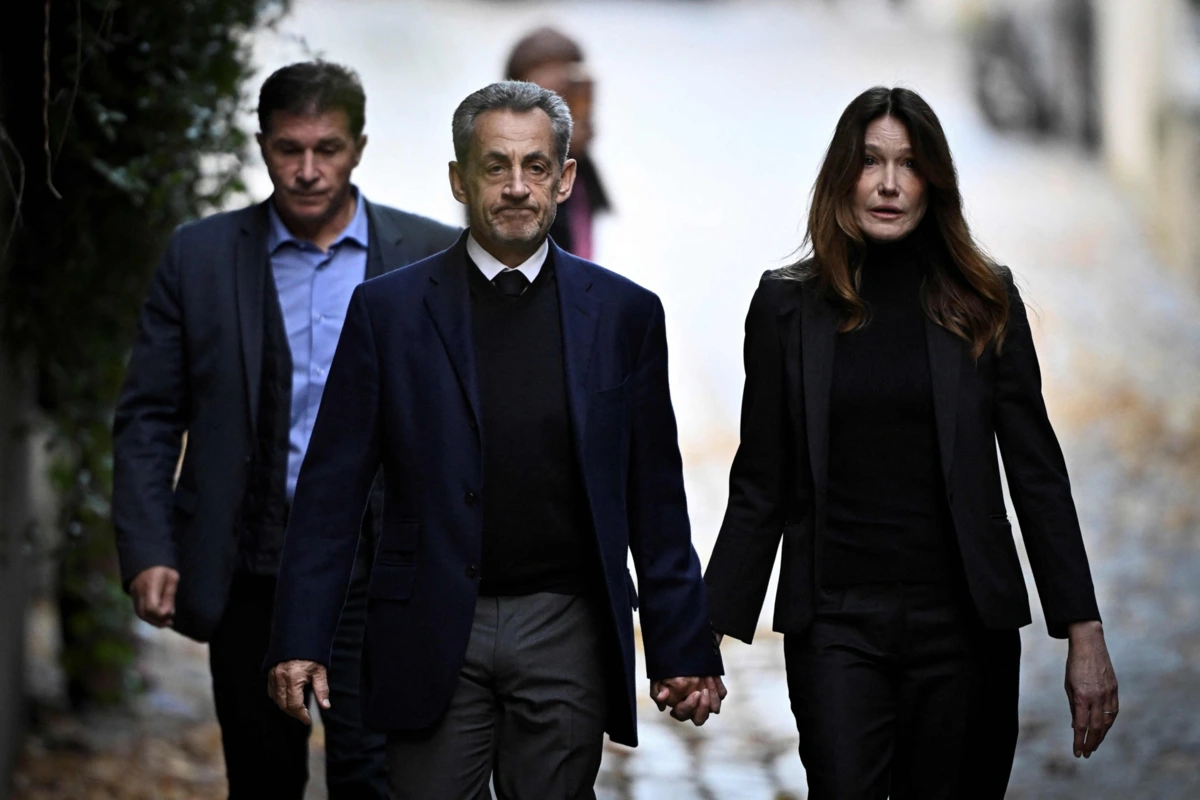
French prosecutors requested a seven-year prison sentence for former President Nicolas Sarkozy on Wednesday during an intense appeal trial regarding allegations of illegal campaign financing. The prosecution argues that Sarkozy served as the primary instigator of a corrupt pact designed to secure millions in funding from the late Libyan leader Moammar Gadhafi for his successful 2007 presidential bid.
These charges suggest a dark exchange in which the French right-wing leader allegedly promised to help rehabilitate Gadhafi’s international reputation following years of isolation tied to global terrorism.
The accusations center on a deal aimed at restoring the Libyan leader’s global image after Tripoli was blamed for the horrific plane bombings over Lockerbie in 1988 and Niger in 1989. While a lower court previously sentenced Sarkozy to five years for seeking the funds, he was acquitted of broader charges including corruption and receiving misappropriated public funds, a ruling the prosecution is now challenging.
Sarkozy, who served as president from 2007 to 2012, has consistently denied all wrongdoing, famously telling the court that not a single cent of Libyan money entered his campaign.
Read more about this topic: Sarkozy enters prison and becomes the first former French president to be sentenced to an effective sentence
This legal battle has already made history, as the 71-year-old politician became the first former leader of modern France to spend time in jail over this specific case before being released pending this appeal. Prosecutors maintain that Sarkozy’s aides acted in his name to strike the bargain with the Libyan regime, effectively trading French diplomatic influence for electoral capital.
This is not the only legal challenge the former president has faced; he has already received two definitive convictions in separate cases involving campaign overspending and an attempt to influence a judge.
The French judicial system is expected to deliver its final decision on this appeal on November 30, a date that could determine the ultimate political legacy of one of France’s most polarizing modern figures. If the court upholds a conviction, Sarkozy still retains the right to appeal to the highest court in the country to fight the seven-year request.
For now, the proceedings serve as a stark reminder of the ongoing scrutiny regarding the intersection of international diplomacy and domestic political funding within the highest offices of the French Republic.
