

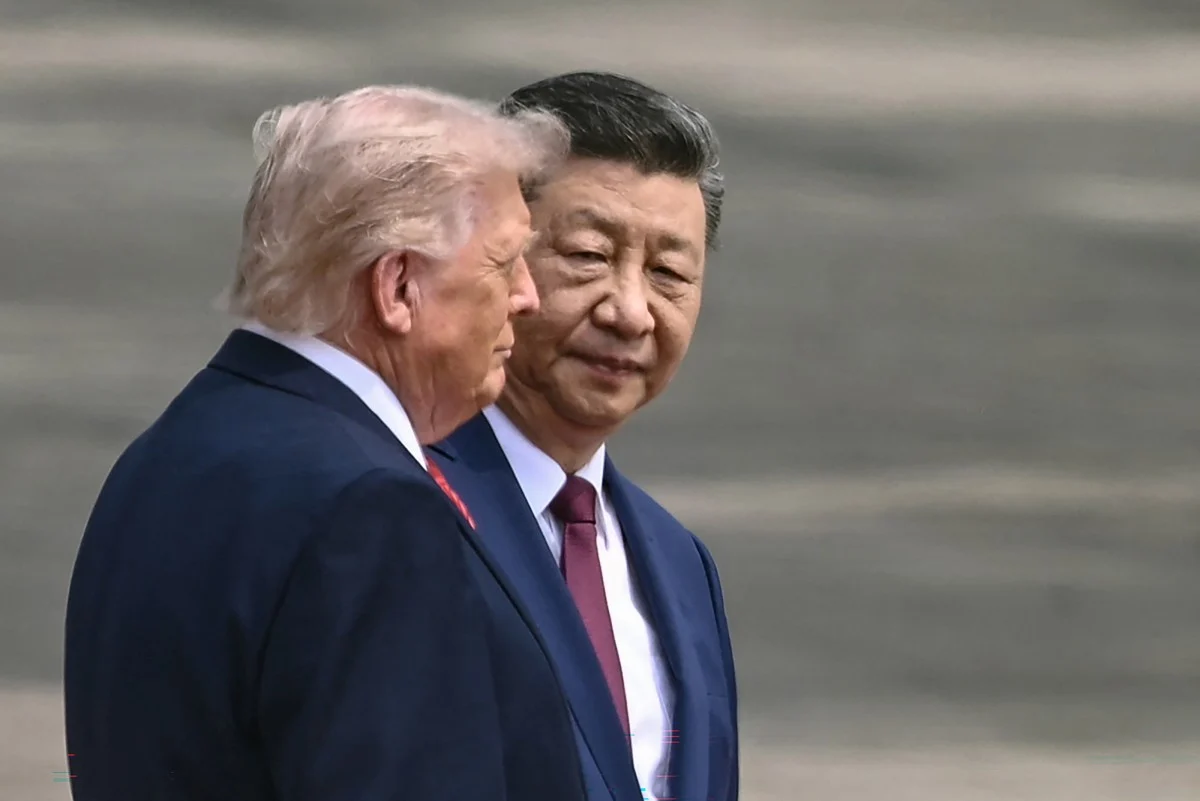
Chinese President Xi Jinping declared today that the United States and China must function as “partners, not rivals” despite a growing list of global disagreements. Welcoming President Donald Trump to Beijing for their high-stakes summit, Xi emphasized that cooperation benefits both nations while confrontation inevitably leads to mutual harm.
The supreme leader of China also noted that the world currently stands at a historical “crossroads,” necessitating a new path for peaceful coexistence between major powers in the modern era.
In response, Donald Trump promised a “fabulous future” for the bilateral relationship, expressing personal friendship with the Chinese leader.
“It is an honor to be by your side,” Trump stated during the opening of the summit, asserting his belief that relations would soon be better than ever before.
Read more about this topic: Xi-Trump reach consensus on Hormuz and Iran nuclear power (with videos)
The meeting at the Great Hall of the People follows a formal welcoming ceremony and precedes a scheduled visit to the 15th-century Temple of Heaven and an official state banquet.
The White House has stressed that this visit is intended to yield concrete economic results, including Chinese commitments to purchase American soybeans, beef, and aircraft. The establishment of a dedicated Trade Council is also on the table to resolve ongoing disputes. However, the shadow of the Middle East conflict looms large; U.S. and Israeli military offensives have led Iran to block the Strait of Hormuz, trapping energy shipments and threatening global economic growth.
Navigating these tensions is a high-level American delegation including Secretary of State Marco Rubio and Defense Secretary Pete Hegseth, alongside tech mogul Elon Musk.
Beyond the energy crisis and trade, the leaders are expected to discuss the sensitive issue of Taiwan and a potential tripartite nuclear arms agreement involving Russia. While a trade truce reached last year remains in place, it is yet to be seen if this summit will produce a long-term stabilization of the world’s most critical geopolitical relationship.
