

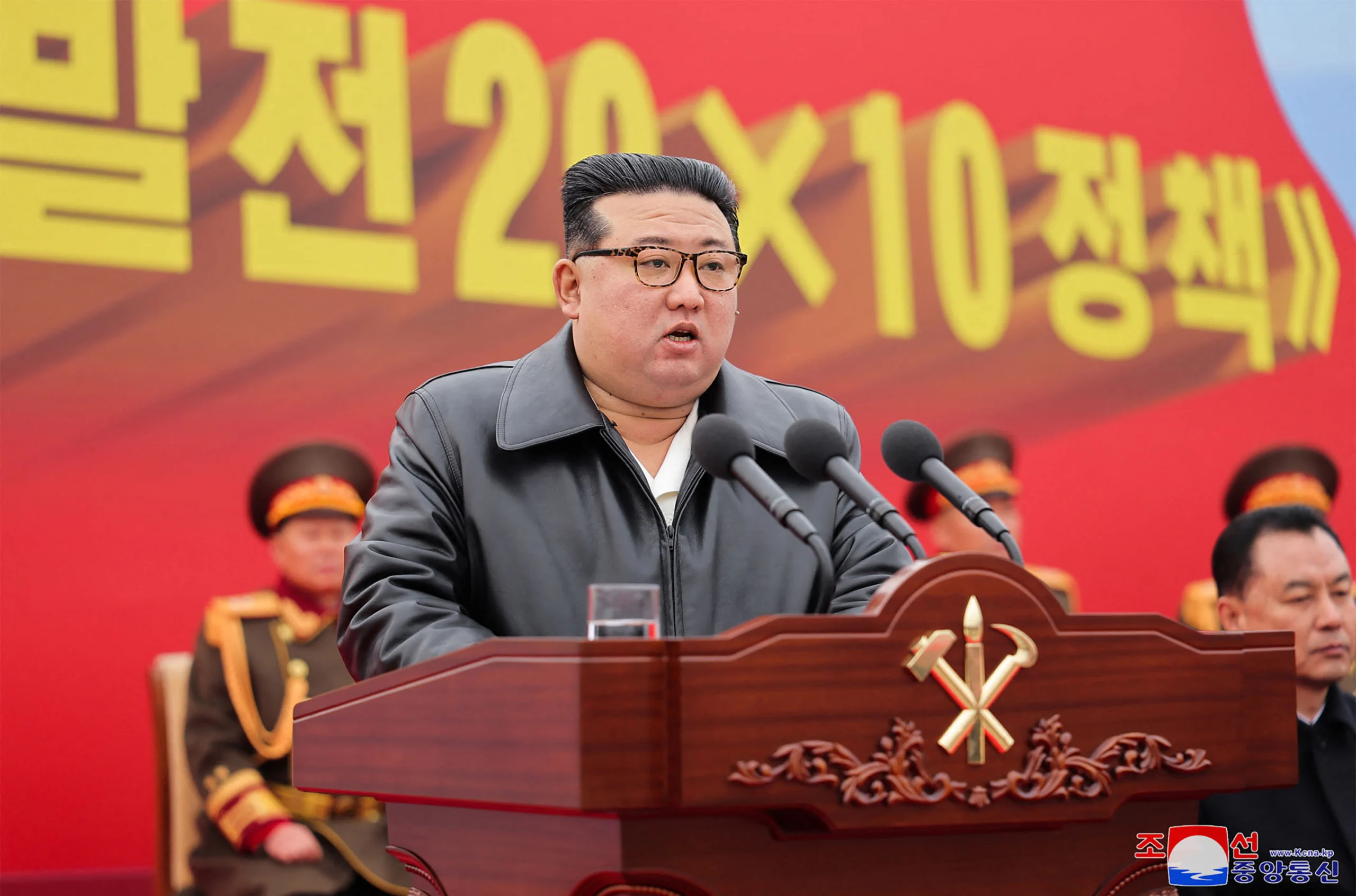
The South Korean presidency confirmed on Thursday that it remains committed to a policy of peaceful coexistence and eventual reunification, even as North Korea takes the drastic step of erasing those goals from its supreme law. The diplomatic divide between the two neighbors has reached a new low following Pyongyang’s constitutional overhaul, which effectively severs the symbolic ties of a shared destiny between the North and South.
For decades, the North Korean Constitution included a clause stating the country would “struggle to achieve the unification of the motherland.” However, the latest version of the document, reviewed by South Korea’s Ministry of Unification, reveals that this language has been entirely removed. The two nations remain technically at war, as the Korean conflict ended in 1953 with a temporary armistice rather than a formal peace treaty.
In response to the move, the administration of South Korean President Lee Jae Myung stated it would conduct an “in-depth examination” of the changes. Despite the provocation, the government in Seoul emphasized that it will not abandon its pursuit of peace. “Based on this review, the government will continue to promote the policy of peaceful coexistence on the Korean peninsula,” the President’s office noted.
Read more about this topic: North Korea’s economic recovery with “support from China” (with video)
The policy shift in Pyongyang follows years of escalating tensions. While former South Korean President Yoon Suk Yeol (2022–2025) maintained a hardline stance against the North, current leader Lee Jae Myung has repeatedly reached out to reopen lines of communication. Lee has proposed talks without preconditions, but his efforts have been met with public disdain from Kim Jong-un.
The North Korean leader recently intensified his rhetoric, declaring that his nation has “absolutely nothing to do” with the South, which he now labels as North Korea’s “most hostile enemy.” Kim has gone as far as to dismiss Seoul’s diplomatic overtures as “deceptive,” signaling a grim outlook for any immediate return to the negotiating table.
