

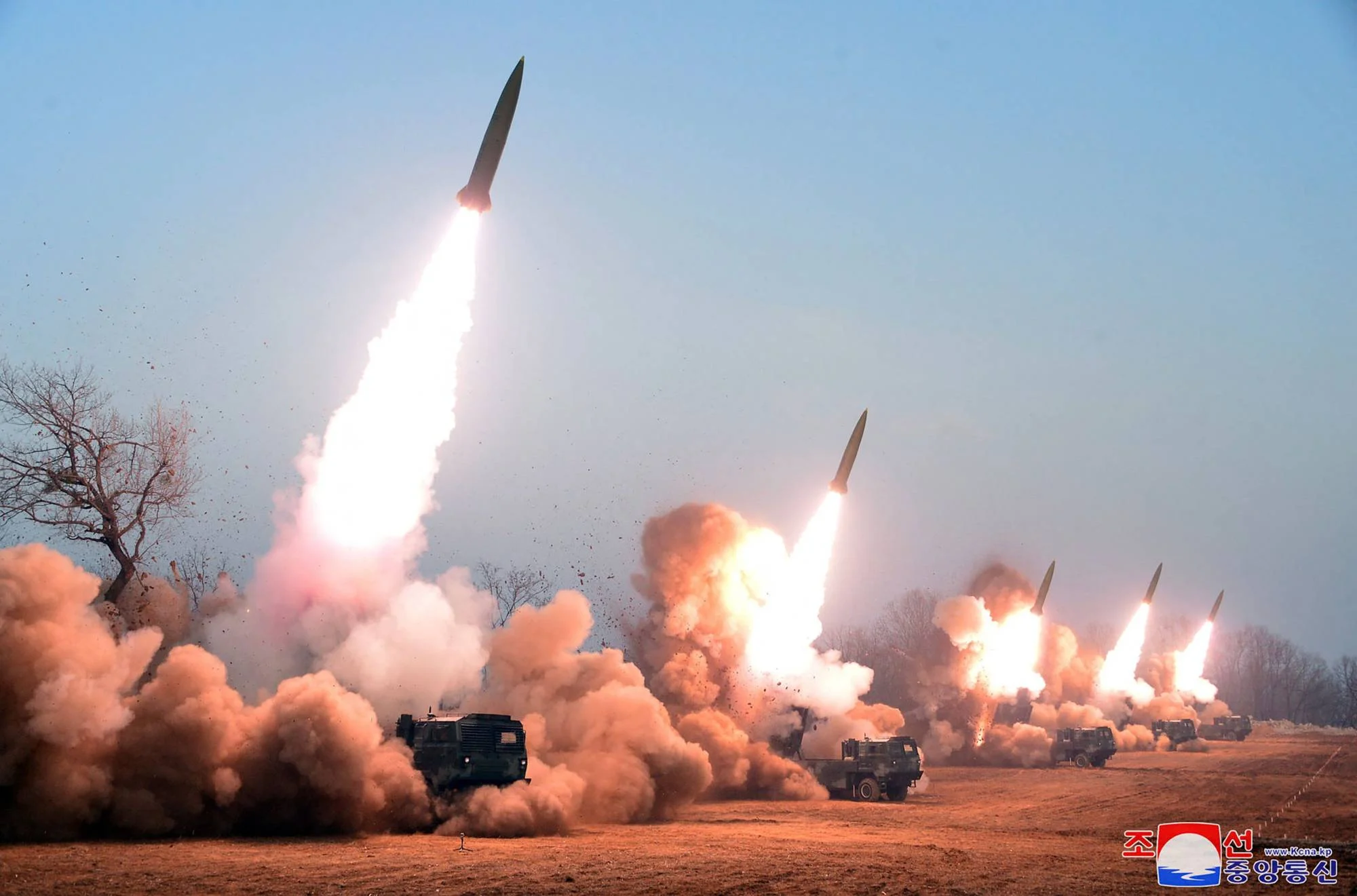
North Korea has reiterated its absolute refusal to abandon its nuclear arsenal, asserting that its status as a nuclear-armed state is both irreversible and beyond the jurisdiction of international treaties. Speaking at the United Nations, Pyongyang’s ambassador, Kim Song, dismissed external pressure as futile, emphasizing that the country’s nuclear identity is a matter of sovereign right.
The statements were made via the state-run news agency KCNA during the 11th Review Conference of the Treaty on the Non-Proliferation of Nuclear Weapons (NPT). Kim Song criticized the United States and its allies for questioning North Korea’s military status, declaring that no “rhetorical statements” or “unilateral desires” from the West would alter the reality of the country’s defense capabilities.
North Korea officially withdrew from the NPT in 2003 and has since conducted six nuclear tests in defiance of multiple UN Security Council resolutions. Ambassador Kim highlighted that the nation’s nuclear status is now “enshrined in the Constitution,” which strictly defines the legal and strategic principles governing the use of such weapons.
The diplomatic defiance comes at a time of deepening ties between North Korea and Russia. Pyongyang has actively supported Moscow’s efforts in Ukraine by providing troops and military hardware. In exchange, North Korea has reportedly received advanced military technological assistance, further bolstering its ballistic and nuclear programs.
Read more about this topic: North Korea confirms it has conducted several missile tests
According to data from the Stockholm International Peace Research Institute (SIPRI), the world’s nine nuclear-armed nations—Russia, the United States, France, the United Kingdom, China, India, Pakistan, Israel, and North Korea—held a combined 12,241 nuclear warheads as of January 2025.
While North Korea is estimated to possess dozens of warheads, Russia and the United States continue to hold approximately 90% of the world’s total nuclear stockpile.
Despite international sanctions and diplomatic isolation, Pyongyang continues to promise a strengthening of its nuclear capacity, framing the arsenal as the primary deterrent against perceived external threats to its regime.
