

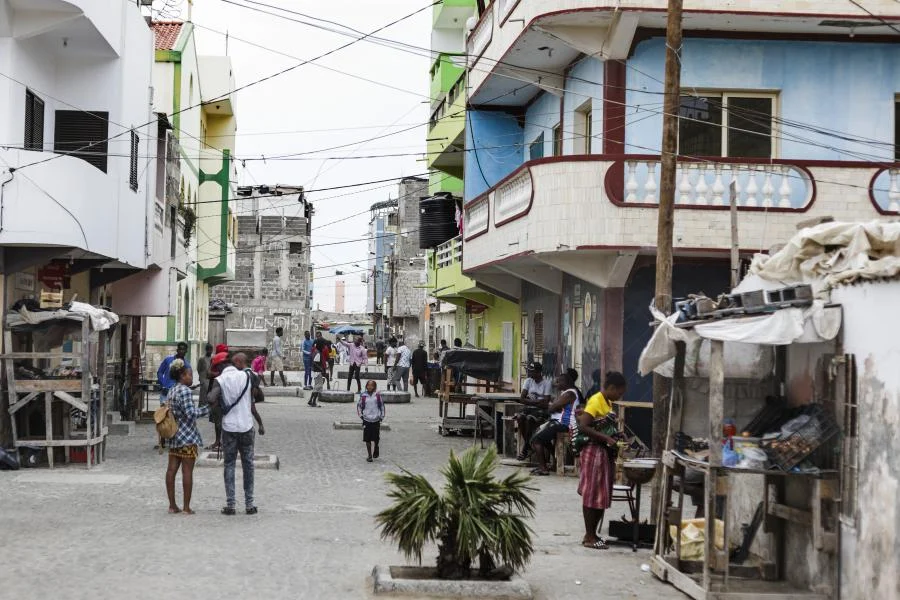
Consumers in Portuguese-speaking African countries (PALOP) face a significant lack of protection regarding their basic rights, a situation compounded by the dominance of informal economies and inconsistent legal frameworks.
This warning comes from Graça Cabral, vice-president of Consumare (International Organization of Portuguese-Speaking Consumer Associations), ahead of an international conference in Lisbon titled “Consumption with Dignity and the Right to Start Over.”
While countries like Cape Verde possess consolidated consumer laws, others lag far behind. Guinea-Bissau still lacks a basic consumer protection law, and in São Tomé and Príncipe, legislation passed a decade ago has yet to be implemented.
Angola and Moçambique have established laws but still struggle to create a functional legal environment for consumer defense.
Read more: Only Guinea-Bissau escapes World Bank downgrades for PALOP
Cabral highlighted severe risks currently facing PALOP consumers, particularly in the domestic market:
-
Safety Hazards: In Angola, gas canisters are frequently sold past their expiration dates, showing visible damage, leaks, and rotted hoses, directly endangering public health and safety.
-
Lack of Information: Products are often sold with labels in foreign languages or missing expiration dates altogether.
-
The Informal Hurdle: The high percentage of informal trade means many purchases occur without receipts, leaving consumers with no proof of purchase to exercise their rights.
Despite these challenges, Cabral noted that consumers in these regions often naturally embrace sustainable practices that are currently being promoted as “new” trends in Europe.
The repair of appliances and vehicles, the purchase of second-hand clothing, and the creative reuse of food scraps are common consumer behaviors in the Lusophone space, offering a foundation for sustainability that bypasses the “throwaway” culture of more developed economies.
The upcoming conference will gather representatives from across the Lusophone world to discuss “consumption with dignity,” focusing on essential services, banking, debt, and the “right to repair.”
