

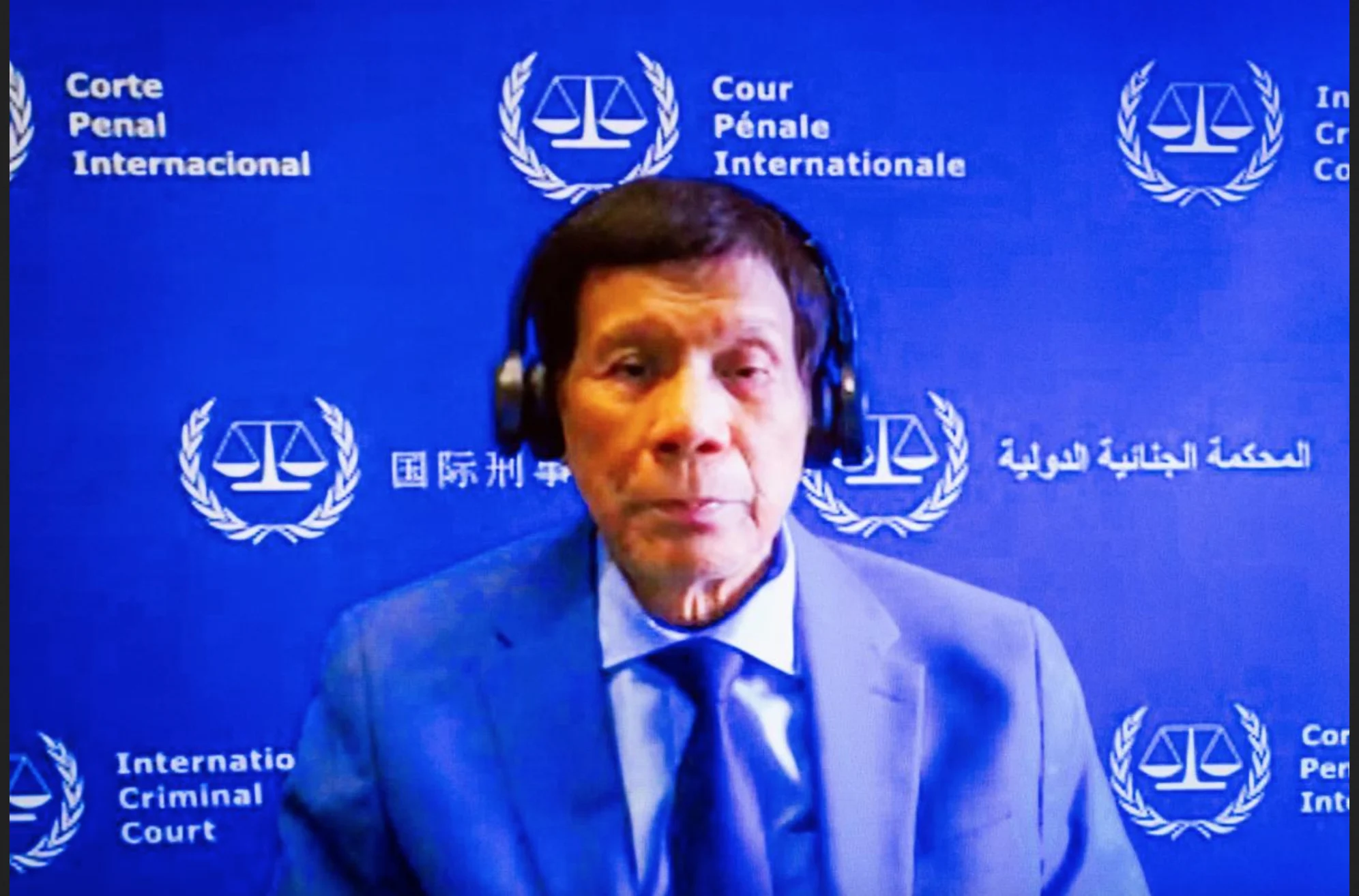
The International Criminal Court (ICC) has formally confirmed that it will proceed with the trial of former Philippine President Rodrigo Duterte for crimes against humanity, marking a historic development in the landscape of international justice.
As reported by The Guardian, the decision to move forward with the prosecution represents a watershed moment for the tribunal, which has been meticulously investigating the deadly “war on drugs” that defined Duterte’s presidency between 2016 and 2022. The court’s move to set a trial date serves as a definitive rebuke to the former administration’s policies, which were characterized by violent crackdowns on the illicit drug trade.
The legal proceedings center on the systemic violence that occurred during Duterte’s tenure, a period during which thousands of individuals were killed by police and unidentified vigilante groups under the guise of an anti-narcotics campaign.
According to Newser, the charges are rooted in evidence suggesting that the brutal operations were not merely an aggressive policing initiative but a state-sanctioned policy that resulted in widespread, systematic extrajudicial killings.
Read more about this topic: Philippine president threatens to kill anyone who breaks rules
Prosecutors at the ICC have argued that these actions constitute crimes against humanity, specifically highlighting the disproportionate targeting of impoverished neighborhoods and the total failure of domestic Philippine judicial mechanisms to hold the perpetrators accountable for their actions.
This trial will be a significant test of the reach and efficacy of international law, particularly given the Philippine government’s refusal to cooperate with the court, a stance solidified when the nation withdrew from the ICC’s founding treaty during Duterte’s term.
Despite this withdrawal, the tribunal has maintained that it retains jurisdiction over the crimes committed during the period the Philippines was a member state.
Legal analysts told The Guardian that while the trial will undoubtedly be a protracted and complex legal process, the initiation of formal proceedings signals a decisive shift in how the international community addresses allegations of state-sponsored violence committed by former world leaders.
Read more: Iran War: Philippines to use of more polluting fuel
The case remains a deeply polarizing issue within the Philippines, where Duterte continues to command a substantial base of political support, even as international human rights organizations have hailed the ICC’s move as a vital step toward achieving justice for the victims and their families.
Newser underscores the monumental challenges the prosecution faces, including the difficulties in gathering evidence and the practical, diplomatic hurdles involved in bringing a former head of state to The Hague. As the court prepares for the commencement of the trial, the legal battle is expected to command global attention, serving as a landmark case that may establish a long-standing precedent for the accountability of political figures in the face of alleged human rights atrocities.
