

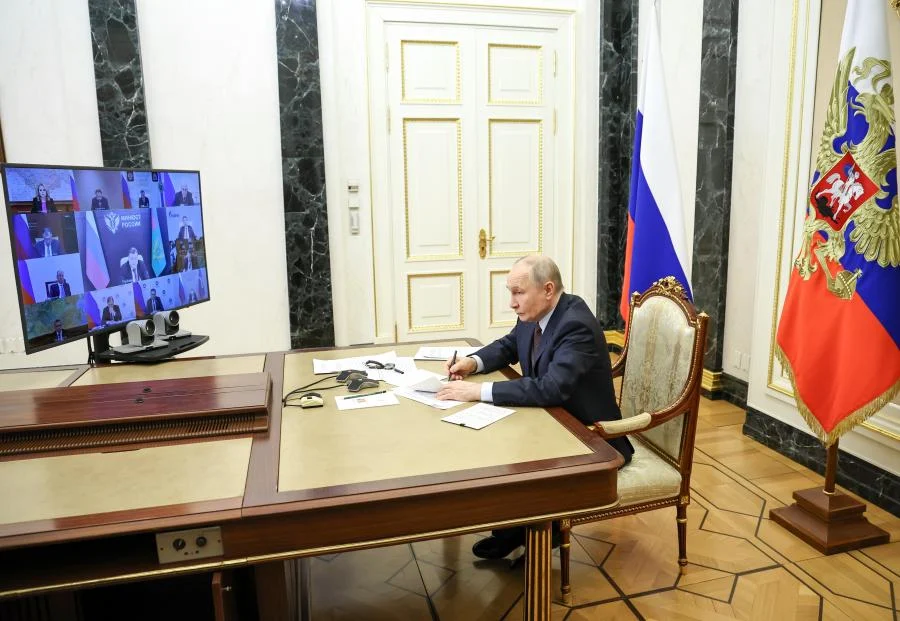
Russian President Vladimir Putin has doubled down on his defense of mobile internet restrictions in major cities, dismissing widespread public and political outcry in favor of stated security priorities. Speaking during a televised government meeting, Putin asserted that such shutdowns are essential tools for preventing terrorist attacks, even while acknowledging that the practice has caused significant disruption to daily life.
He argued that notifying the public in advance would undermine police and security operations, claiming that criminals would simply modify their behavior if they received any warning.
However, he did acknowledge the strain these measures have placed on essential infrastructure and directed security forces to develop a mechanism to ensure the uninterrupted functioning of critical services, such as digital payments, medical appointment scheduling, and the Gouslugi public services portal.
The official justification of public safety has largely failed to convince the Russian populace, particularly as internet service has remained intermittent in some regions for over a year. Political analysts have identified these restrictions as a primary driver behind a sharp decline in Putin’s approval ratings, which have reached their lowest point since the full-scale invasion of Ukraine began in 2022.
Read more: Vladimir Putin to visit China in first half of the year (with videos)
The dissatisfaction has transcended the general public, reaching into the echelons of business leaders, the military, and parliamentary members, all of whom have voiced intense frustration over the economic costs associated with severely sluggish connectivity.
With legislative elections approaching in five months, the political climate remains tense. The ruling United Russia party, which has utilized exclusive access to platforms like Telegram, is currently polling under 30 percent.
Criticism has even come from previously loyal figures, including prominent influencers like Victoria Bonya, who have used their platforms to highlight the internet disruptions alongside other national issues such as economic instability and environmental crises.
Despite the mounting pressure from both the business sector and the political class, Putin remains steadfast, insisting that while he acknowledges the problems caused, ensuring national security must continue to take precedence over the convenience of seamless digital access.
