

The Philippines have temporarily and partially authorised the use of Euro II petroleum derivatives — a more polluting standard — in the transport and industrial sectors as a contingency measure due to the energy supply crisis, it was announced today.
The Department of Energy (DOE) of the Asian country, which is heavily dependent on Middle East imports, said in a statement that this is a “timely response to external risks affecting specific sectors,” without specifying how long the measure will remain in force.
The measure allows the provisional use of Euro II fuels in vehicles manufactured up to 2015 and in jeepneys — the popular Filipino buses — as well as in the maritime and transport sector and industrial applications such as power plants and generators.
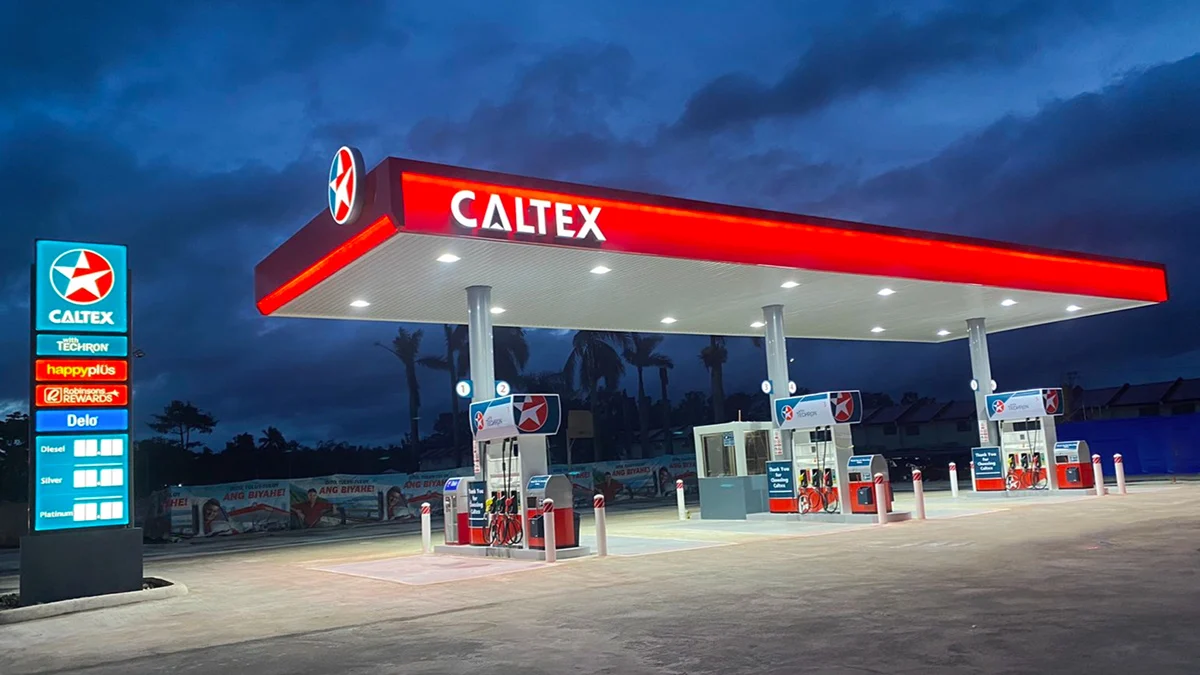
Those wishing to use or offer this type of fuel must notify the Philippine Office for Industry Management and Business (OIMB), and establishments selling it must display “clear and visible notices” explicitly stating the fuel is Euro II. Companies offering Euro II must also keep it separate from Euro IV — the standard commonly used in the archipelago — in storage, transport and retail systems.
Read more about this topic: Oil: Brent crude approaches $120
The measure, motivated by consultations with the oil and automotive industries, aims to “maintain a continuous fuel supply” while offering “flexibility to sectors that may be affected” by the energy crisis stemming from the Middle East conflict.
The Philippines — which, alongside other Southeast Asian countries such as Thailand, have been experiencing long queues at petrol stations due to rising fuel prices — established a four-day working week in several government departments two weeks ago. The power plant on the island city of Patnanungan in the northeast of the country reduced its operating hours by eight hours from this Sunday for an indefinite period due to fuel shortages.
The Middle East conflict is centred on the Strait of Hormuz — a crucial route for global energy trade — with Iran, which controls the northern coast of the strait, obstructing the passage of ships.
