

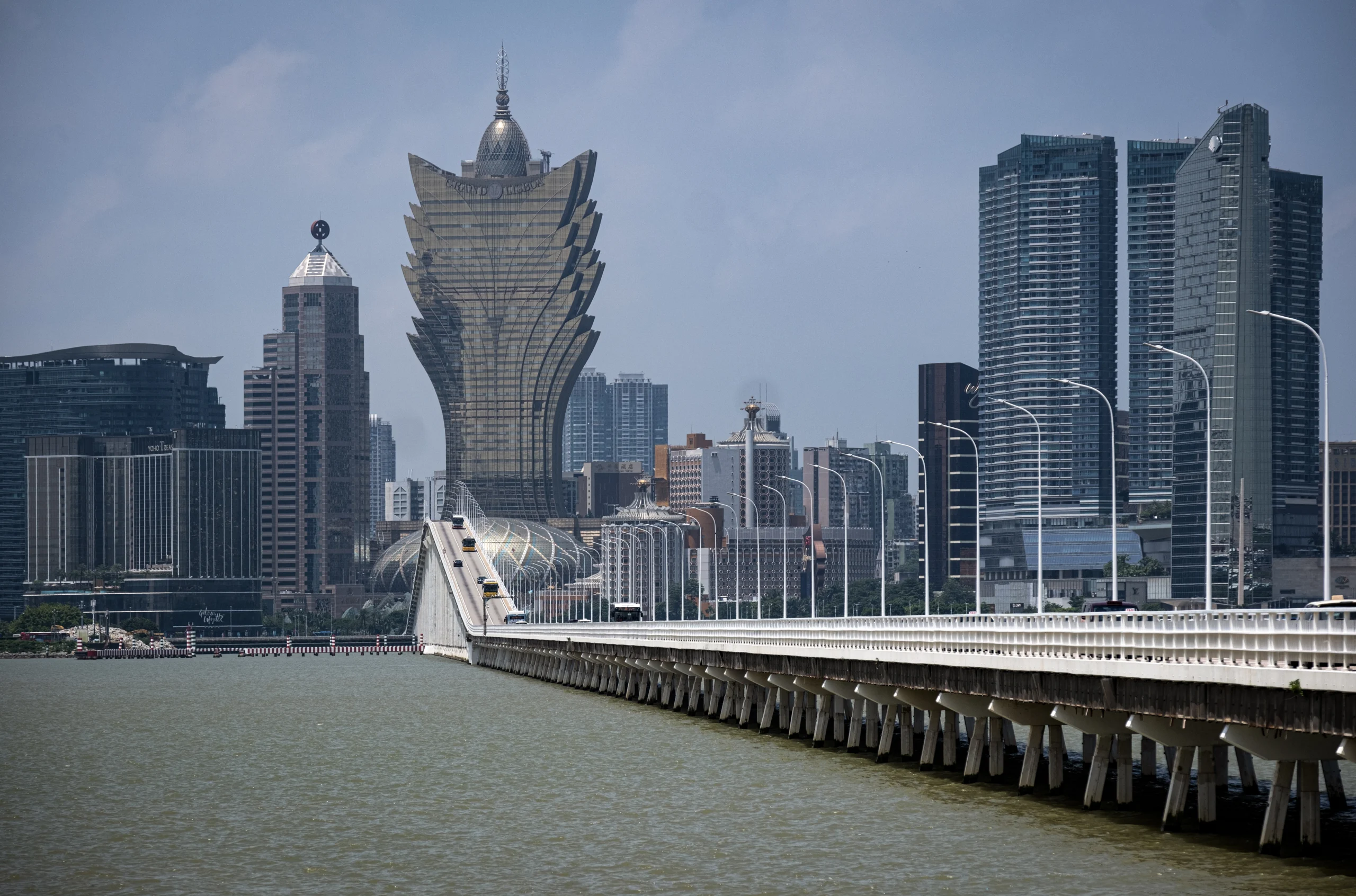
The government of Macau has unveiled a new bill that would allow private companies to exploit parts of its maritime territory through concession agreements.
According to Susana Wong Soi Man, director of the Maritime and Water Bureau, only about one-third of Macau’s maritime area is currently in use, with the proposal aiming to ensure more “rational” and sustainable development.
Macau’s maritime jurisdiction was formally defined in 2015, when China granted the region control over an 85-square-kilometer sea area. Subsequent legislation in 2018 and 2024 established frameworks for uses such as navigation, tourism, port activity, and ecological conservation.
If approved by the Legislative Assembly, the new law will introduce a licensing system dividing usage into temporary permits and long-term public concessions for larger investment projects. Short-term recreational activities—such as cruises or sailing events—will continue to require only temporary licenses.
Read more: Macau’s fertility rate falls to new record low in 2025
The proposal also includes environmental safeguards, requiring assessments from ecological authorities and setting penalties for non-compliance. Concession holders will have to pay usage fees and may face obligations related to compensation or the removal of temporary structures.
Macau’s geography has been heavily shaped by land reclamation, with much of its current territory—including parts of the peninsula and the islands of Taipa and Coloane—built on reclaimed land. The Cotai strip, home to many of the city’s крупней casinos, is one such example.
However, expansion plans have sparked environmental concerns. In 2024, a proposed reclamation project in Coloane drew criticism over its potential impact on the endangered Chinese white dolphin, prompting a petition with over 1,600 signatures. The project remains under review.
