

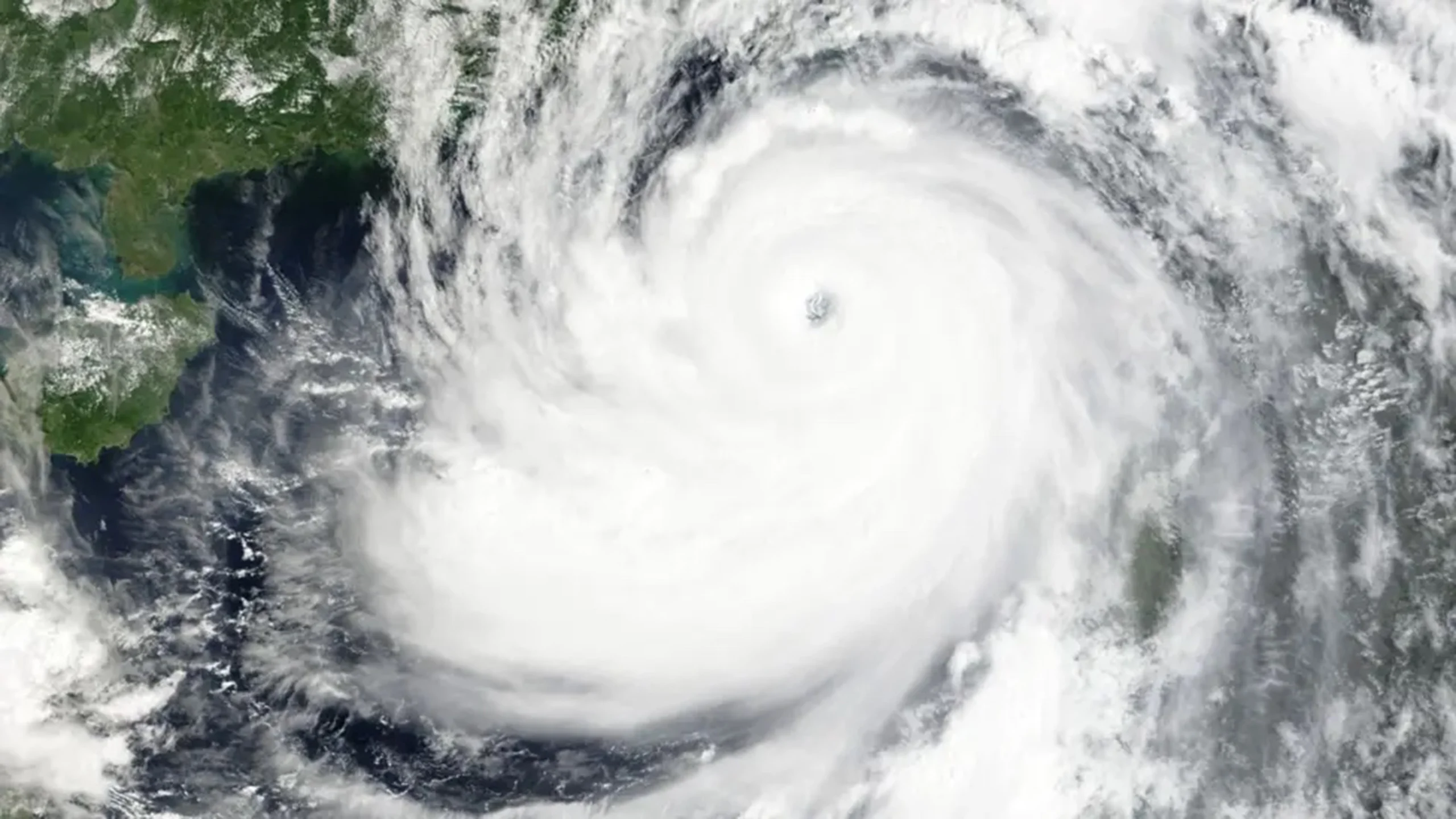
In its annual forecast released on Monday, Macao’s Meteorological and Geophysical Bureau (SMG) said the city is expected to be hit by between five and eight typhoons this year.
The SMG said this figure is “normal to slightly above normal” and did not rule out the possibility of Macau being affected by super typhoons similar to Ragasa, the most powerful storm recorded on the planet in 2025.
In September, Ragasa prompted the SMG to issue Signal No. 10 – the highest level on the tropical cyclone warning scale used in both Macau and Hong Kong, which consists of Signals 1, 3, 8, 9 and 10.
Also on Monday, Hong Kong’s weather agency issued a similar forecast, saying that between four and seven tropical cyclones are expected to pass within 500 kilometres of Hong Kong, “which is near normal”. At the start of last year’s rainy season, the SMG had issued a similar forecast, anticipating five to eight tropical storms.
Read also: China braces for heavy rainfall as super typhoon Ragasa approaches
However, Macau ultimately recorded 14 typhoons, surpassing the previous record high of 12 set in 1974, making 2025 the year with the highest number of tropical storms since systematic records began in 1968.
Typhoon Wipha and Super Typhoon Ragasa led Macau to issue its highest warning level, marking the first time that “Signal No. 10 had to be hoisted twice in the same year,” the SMG said.
Both the SMG and the Hong Kong Observatory expect the typhoon season in southern China to begin in June, or even later, and last until October.
Macau’s weather agency warned that cumulative rainfall during the rainy season could be “above normal, with episodes of extreme rainfall still possible”.
The Observatory, meanwhile, said that “Hong Kong’s annual mean temperature is expected to be above normal this year, with a high chance of ranking among the 10 warmest years on record”.
On February 16, Hong Kong’s weather agency recorded, at its headquarters, the highest temperature ever logged on the eve of Lunar New Year: 27.9 degrees Celsius.
Read also: Macau wants to recruit 100 civil protection volunteers
Typhoons are a recurring phenomenon in Southeast Asia, where the warm waters of the Pacific Ocean favour the formation of cyclones, and southern China is hit every year by dozens of these tropical storms, especially during the rainy season, which usually begins in June and ends in November or December.
According to a study published in July 2024, typhoons in the region are forming closer to the coast than in the past, intensifying more rapidly and lingering longer over land as a result of climate change. Scientists say climate change is making extreme weather events more frequent and more intense worldwide.
