

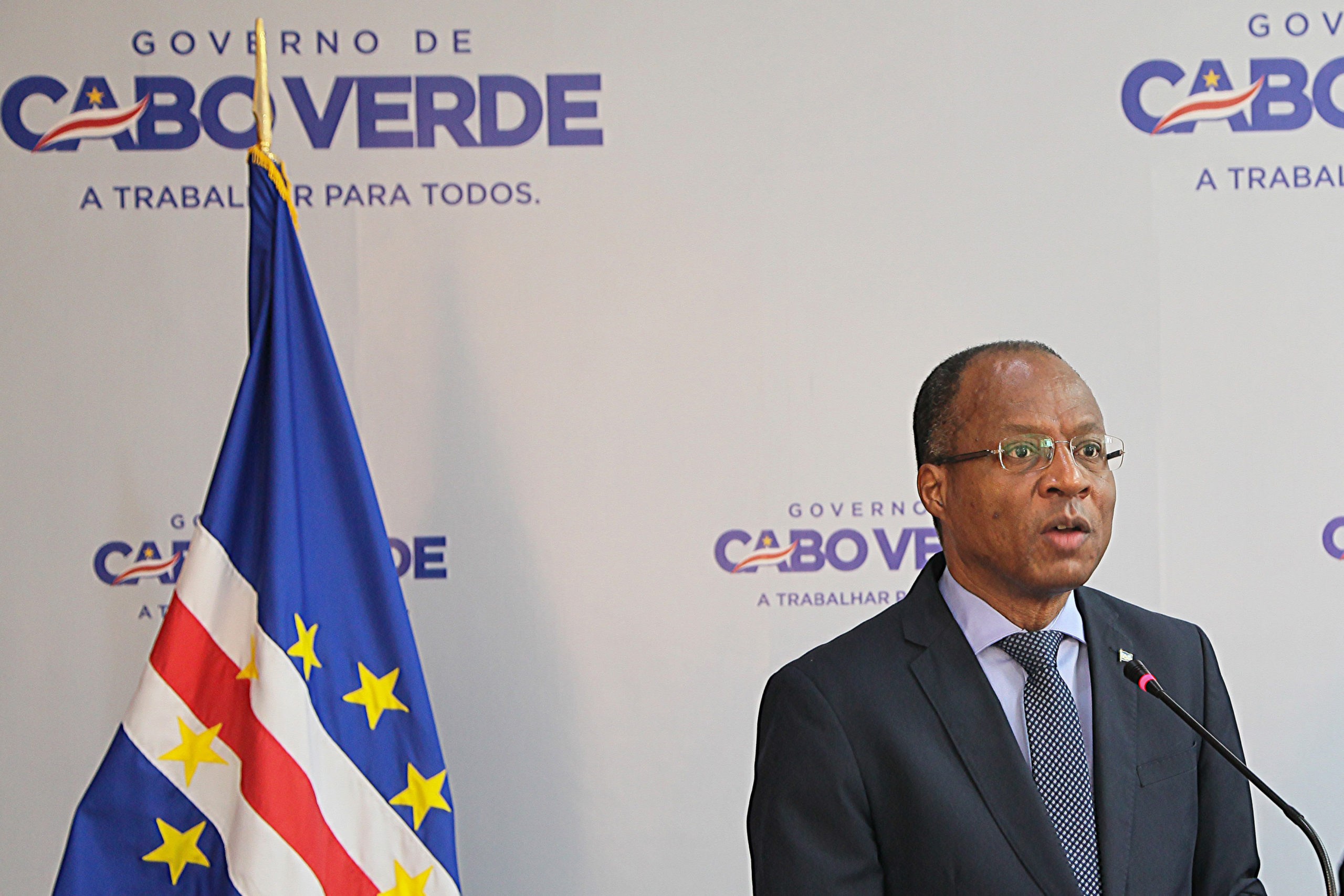
“The measures are ready to be activated to protect families and businesses, should domestic prices be affected by abnormal increases resulting from external inflationary impacts on energy,” said prime minister Ulisses Correia e Silva in a national address, following the Iran war and the Middle East crisis.
The measures include the temporary suspension of the price update mechanism — with compensation to oil companies for the resulting deficit — the application of a discount equivalent to the VAT increase generated by the rise in imported fuel prices, and a reduction of taxes on petroleum products. The measures may be applied individually, in combination or progressively, depending on the impact of the energy crisis on domestic fuel prices.
The prime minister added that the country monitors the international fuel market daily through a permanent technical team coordinated by the minister of industry, trade and energy.
Industry, trade and energy minister Alexandre Monteiro assured that the country currently has sufficient stock for supply and that resupply is proceeding normally. “The logistical availability of products in Cape Verde is not affected by the situation in the Middle East. We import products from northern Europe, Africa and Central America, so logistics are not impacted,” he explained.
Domestic prices for petroleum derivatives are set monthly by the regulatory authority based on international market trends, using the Brent barrel as a reference, and there is still a window of more than two weeks until the next update, scheduled for April 1, he said.
Read more about this topic: IMF proposes VAT reform to fund investment and reduce poverty in Cape Verde
According to the minister, comparing with the last five years, the current situation has not yet reached the peak levels seen during the Ukraine crisis in 2022, though there is uncertainty about how prices will evolve.
