

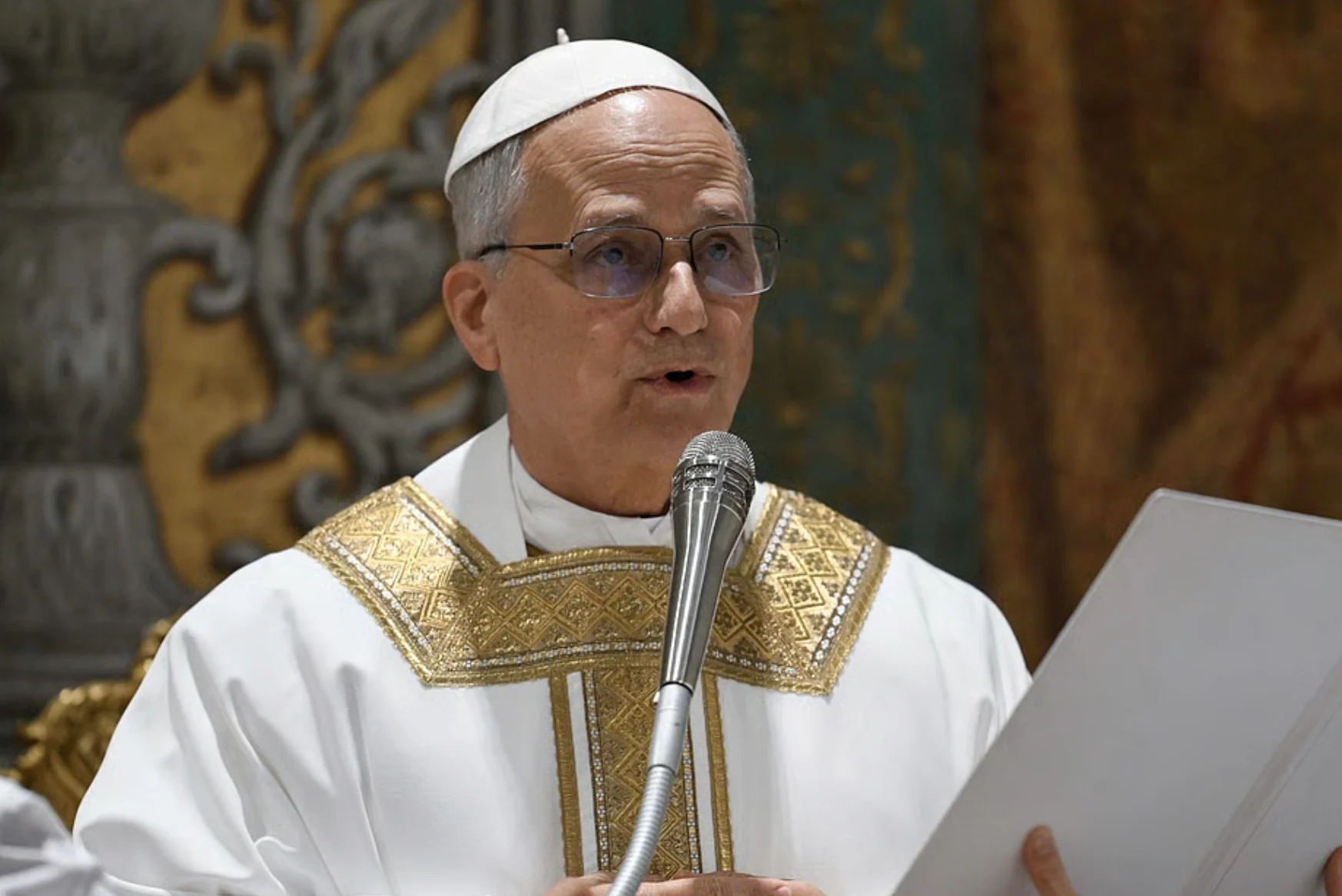
The bishop of Luena said today that the Pope’s visit to Angola will stimulate Catholic evangelisation — “still in its early stages” in the east of the country — celebrate the region’s cultural beauty and richness, and bring its problems into focus.
According to bishop Martin Lasarte, the visit of Pope Leo XIV to Angola, taking place between April 18 and 21, is a source of great joy and also marks the 450th anniversary of the founding of Luanda, Angola’s capital, as well as affirming the gospel in the eastern part of the country.
“It is a great joy, this visit of the Pope — it is essentially a complementarity. He arrives in a Luanda with 450 years of evangelisation, with all the contradictions we can find in history, lights and shadows. Here in the east, the gospel only began in 1933 with the Benedictines,” the bishop said.
Speaking to Lusa at the Luena Diocese — capital of Moxico province in eastern Angola — the Uruguayan bishop, who has been on mission in Angola since the 1990s, said the Catholic Church’s path in eastern Angola “was very hard” following independence in 1975. These circumstances have made Catholicism “still more nascent, but growing” in the eastern zone, which comprises the provinces of Lunda Sul, Lunda Norte and Moxico.
“The Pope’s visit will, on one hand, give a boost to evangelisation in the region and, on the other hand, bring into focus the problems that exist in eastern Angola,” he stressed, describing it as an area with “greater development and growth challenges in Angola.”
For Lasarte, each region has its own problems. The eastern region — particularly “as lundas,” referring to Lunda Norte and Lunda Sul provinces — is rich in mineral resources, “which is a positive thing,” but also has its downsides. The bishop described these as “areas of greater underdevelopment,” whose visit from Leo XIV “should shine a light on these areas, with their beauty, enormous potential and, above all, their vast cultural richness.”
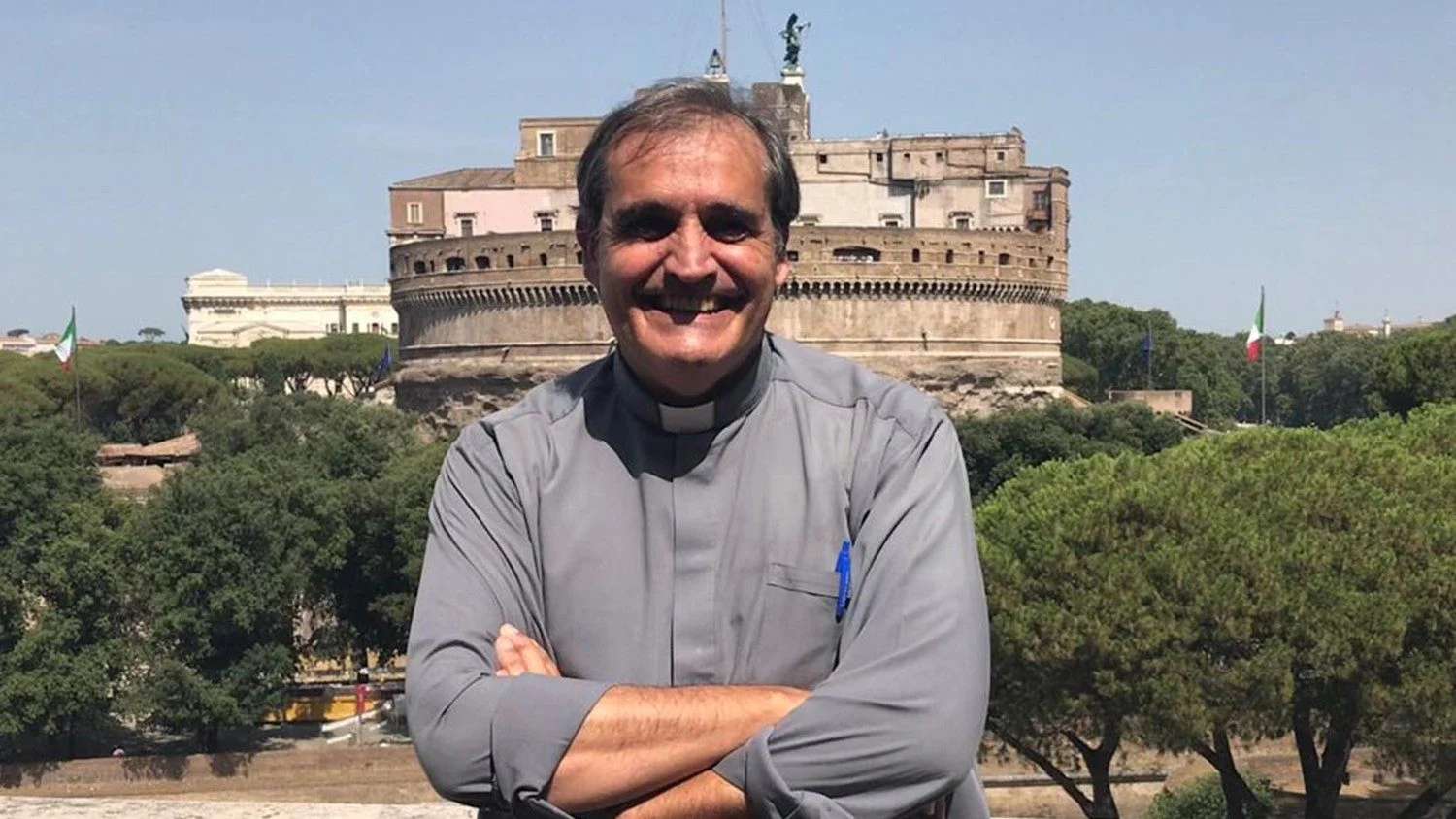
Martin Lasarte, Bishop of Luena. Credits: Vatican News
Pope Leo XIV arrives in Luanda on April 18, with a trip to Saurimo, capital of Lunda Sul, planned for April 20, where he is expected to preside over a Eucharistic celebration and visit a home for the elderly.
Read more about this topic: Pope Leo XIV visits Angola between April 18 and 21
For Lasarte — bishop of Luena since September 2023 — the Catholic Church’s leader will also encounter in eastern Angola an enormous human, linguistic and natural richness, and his presence should help unlock the region’s growth opportunities.
“Also bringing into view the beauty and opportunities that exist in this part of Angola — the Pope’s presence will be very significant and certainly comes in the context of our turbulent Africa,” he said.
Various civil society actors and politicians in Angola consider the mineral-rich eastern region to be “abandoned” by the authorities, recording weak socioeconomic development that contrasts sharply with the volume of mineral resources — particularly diamonds — that have been extracted there for decades.
The bishop of Luena, a diocesan province of the Archdiocese of Saurimo, stressed the need for greater development and growth in the region “for national unity — but a unity in plurality, not uniformity.”
Read more: Bottomless pit: World Bank approves $1.1 billion package for reforms in Angola
In places like Moxico and “as lundas,” he said, there are great riches and peoples’ traditions — “a great richness that must be valued, making people the protagonists of their own wealth and giving them a voice in the development of the country.”
“There are so many reasons to bring into focus in this visit, so that we become well known throughout the whole world — both our difficulties and our possibilities,” concluded Lasarte, a 63-year-old member of the Salesian congregation.
