


On the sidelines of the annual session of the national legislature, Liu Wei stated that over the next five years, the country will promote the application of artificial intelligence in transportation, advancing the development of smart highways, smart ports, and intelligent maritime transport.
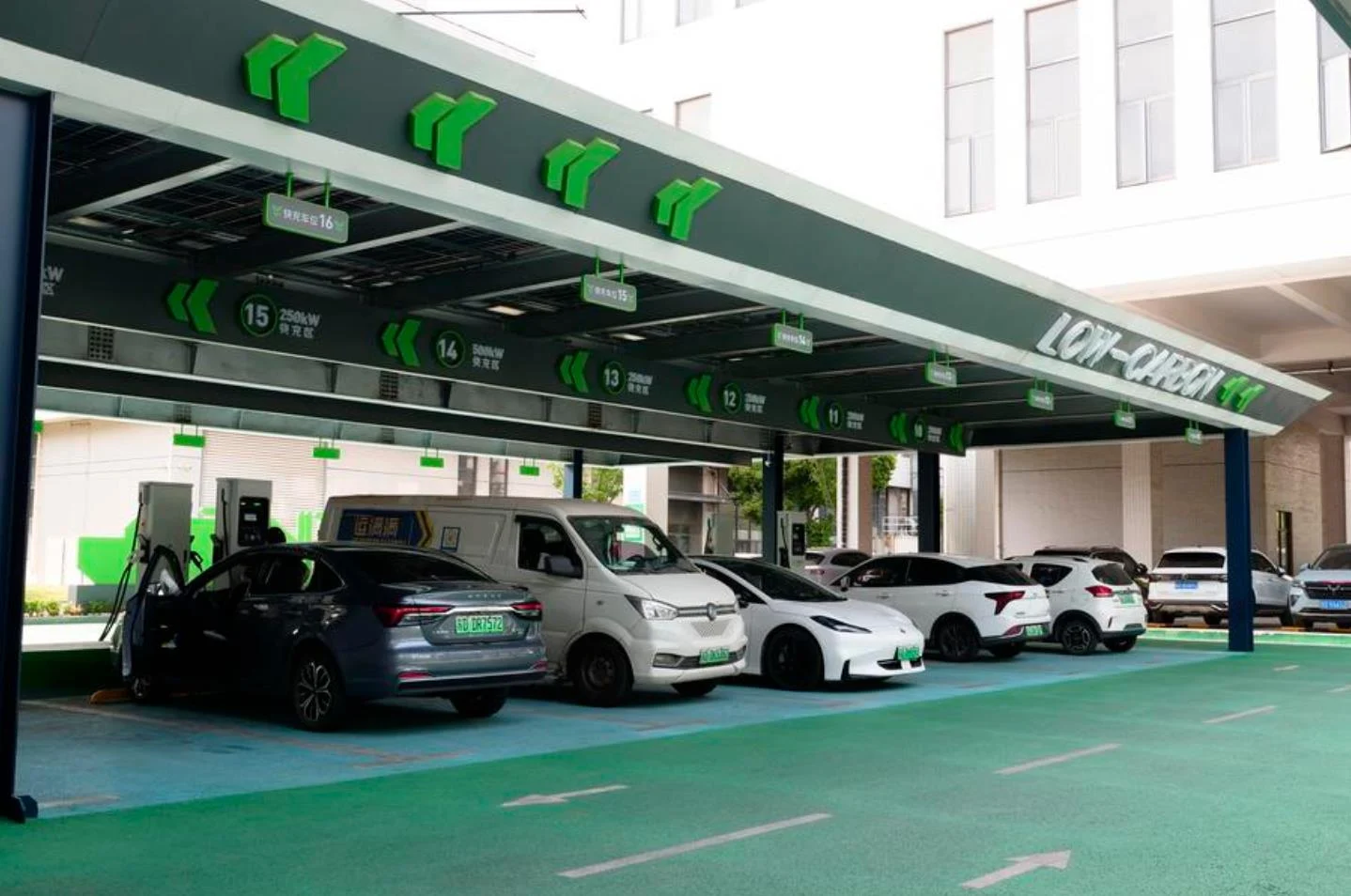
In the context of the energy transition, China also aims to create corridors and transportation stations with zero carbon emissions, strengthening the development of a low-carbon transport sector. The minister emphasized that the use of clean energy-powered equipment, particularly new-energy vehicles and vessels, will be intensified.
Read more: China takes solid steps to promote higher-quality economic development
For Liu Wei, the coverage of charging infrastructure at highway service areas already reaches 98.8% nationwide. In 2026, the government will increase the capacity of high-power chargers with the aim of reducing waiting times and facilitating access to charging points.
The plan also includes measures to improve the efficiency of inter-municipal travel in major metropolitan areas, significantly increasing the percentage of the population with access to trips of up to one hour within these regions.
The minister also highlighted the strategic importance of the transportation sector in serving the population, noting that, on average, about 550 million packages are processed daily across the country, equivalent to roughly three packages per person per week.
