

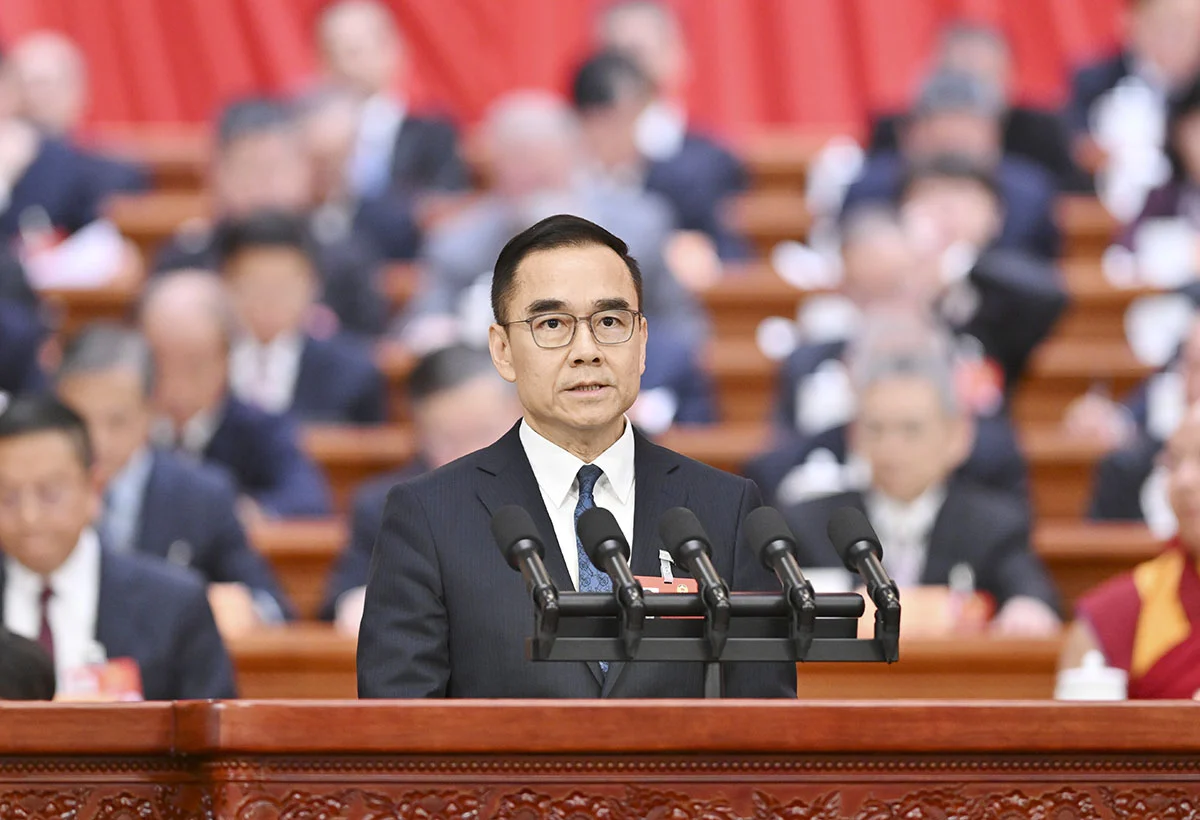
Speaking at the third plenary session of the 14th Chinese People’s Political Consultative Conference (CPPCC) National Committee on Sunday, Standing Committee member and Macau Legislative Assembly Vice President, Ho Ion Sang, outlined the plan, according to Macau Daily News. The push for a talent hub comes as Macau strives to diversify its economy and strengthen its role in national scientific innovation.
He highlighted Macau’s foundation for scientific innovation, noting its advantages under “One Country, Two Systems,” its status as an international free port, and its existing infrastructure of 10 universities and four state key laboratories.
To improve talent cultivation, the delegate suggested extending Macau’s university operations into neighboring Hengqin. Ho Ion Sang emphasized the need to align academic disciplines with national strategic needs, local industries, and technological innovation, and to encourage joint research with top global universities.
Regarding talent attraction, he called for the creation of joint laboratories to participate in major national scientific projects and advocated improving cross-border research funding and advancing the Macau-Hengqin international education city to facilitate technology transfer.
Another key proposal was to explore a “Macau Talent Card” for international experts. This card would provide comprehensive services for taxation, immigration, education, and healthcare, and would link directly to Guangdong’s existing talent card system.
“Macau must place equal emphasis on nurturing and attracting talent, actively gathering intelligence for the country to better integrate into the overall national development framework,” Ho Ion Sang said.
Wang Huning, a member of the Standing Committee of the Political Bureau of the CPC Central Committee and Chairman of the CPPCC National Committee, attended the Sunday afternoon session. Other administrative proposals included expanding the scope of mainland talent visas to Hong Kong and Macau and issuing policies to facilitate researchers’ visits.
If implemented, these collaborative measures are expected to ease the cross-border movement of researchers further and solidify the Greater Bay Area’s position as a leading global innovation center.
