

Europe invested around €45 billion in new wind power projects in 2025, representing about 21 gigawatts (GW) of capacity, but the pace of deployment remains “below what is needed” to meet long-term targets, including in Portugal, according to a study.
In a statement, WavEC Offshore Renewables cited data from the annual report of WindEurope to outline the current situation in the sector.
According to the report, “this growth reflects the increasing role of wind energy in Europe’s energy transition, although the pace of deployment remains below what is required to meet long-term objectives.”
Last year, onshore wind accounted for about 90% of new installations, with 17.2 GW added in a single year, “the highest value ever recorded for this segment in Europe.”
The data show that Germany led new capacity installations, followed by Turkey and Sweden.
According to the projections, 151 GW of new wind capacity should be installed in Europe by 2030, including 112 GW in the European Union, figures that underline “the importance of ensuring conditions for an adequate development pace in the coming years.”
The report also highlights persistent structural challenges affecting the sector, including the need to reinforce and modernize electricity grids, port infrastructure for offshore wind, supply chain constraints, and the complexity and duration of licensing processes.
For Portugal, the newly released data “reinforce the strategic importance of wind energy in the energy transition process.” The country’s National Energy and Climate Plan for 2030 foresees an ambitious path, with renewables accounting for 51% of final gross energy consumption and a significant increase in installed capacity, including 10.4 GW of onshore wind and 2.0 GW of offshore wind by 2030.
However, WindEurope’s projection for the 2026–2030 period suggests that Portugal could reach 2030 with around 8 GW of onshore wind capacity, up from 6.0 GW at the end of 2025, which would be about 2.4 GW below the national target.
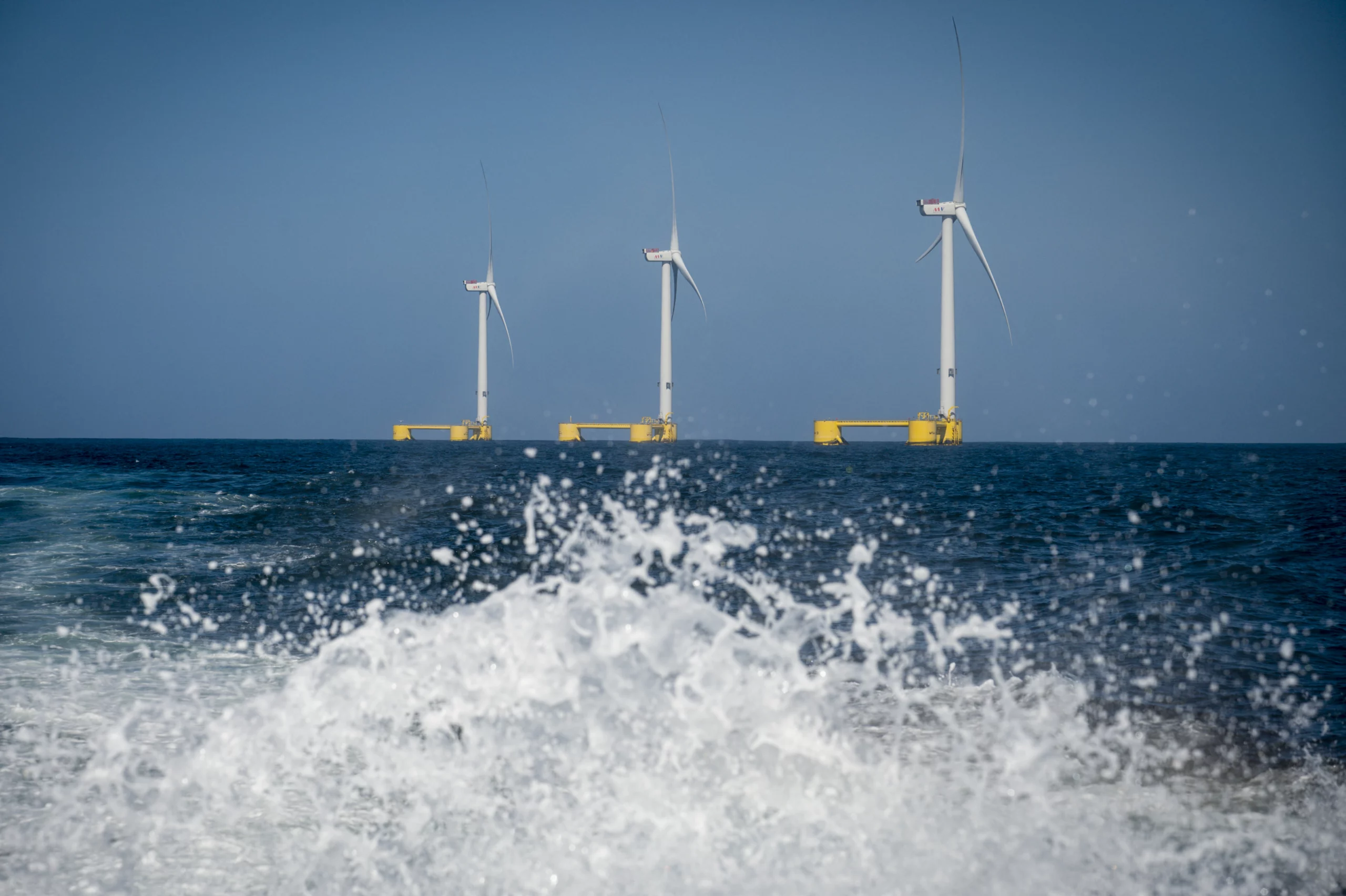
In this context, offshore wind could play a complementary and strategic role, with planned growth from 0.03 GW in 2025 to 2.0 GW by 2030. Still, the report stresses that turning this potential into actual installed capacity will depend on licensing conditions, grid reinforcement and modernization, and sufficient industrial and port capacity to support the value chain.
