

According to IRNA, “the delegation of the Islamic Republic of Iran presented proposals to the United States that remove all American pretexts regarding Iran’s peaceful nuclear program.” The agency added that any rejection of the proposal would “confirm suspicions about the lack of seriousness of the United States in diplomatic matters.”
On Wednesday evening, Iran’s Foreign Minister Abbas Araghchi met with his Omani counterpart, as Oman continues to play the role of intermediary in talks between Tehran and Washington.
Also read: Trump delivers record-breaking speech with threats to Iran and provocations toward Democrats
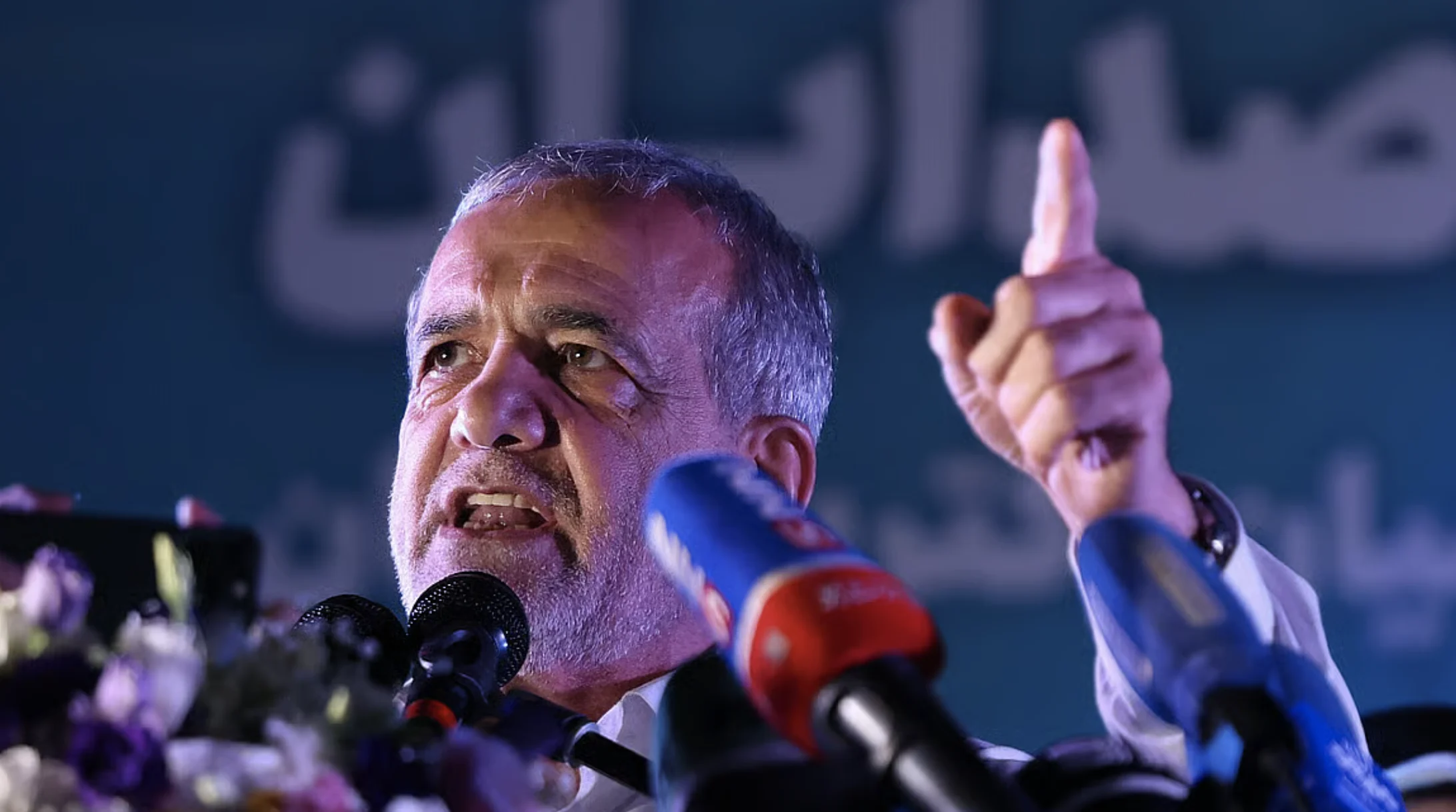
On Thursday, Iranian President Masoud Pezeshkian reiterated that Iran is not seeking to develop nuclear weapons, countering recent statements by U.S. President Donald Trump. “Trump said that Iran must declare that it is not seeking to develop nuclear weapons, but we have already said this on numerous occasions,” Pezeshkian stated.
The Iranian head of state also recalled that the country’s supreme leader, Ali Khamenei, has prohibited the development of nuclear weapons, stressing that this position is binding for the Islamic Republic.
These remarks follow Trump’s statement in his State of the Union address that Iran “continues to pursue sinister ambitions” in the nuclear domain, assuring that he would never allow Tehran to obtain a nuclear weapon. In response, Iran’s Ministry of Foreign Affairs described the claims as “big lies.”
Read more about this topic: Iran nears deal for chinese anti-ship missiles as US forces gather
Iran and the United States are holding today in Geneva the third round of indirect negotiations aimed at reaching a new nuclear agreement. Positions remain far apart: Washington demands the suspension of uranium enrichment and restrictions on Iran’s missile program, while Tehran is willing only to reduce its nuclear activities in exchange for the lifting of sanctions.
Despite threats of military intervention by the United States, Iran has warned that it would respond forcefully to any attack, cautioning that such an escalation could spread conflict throughout the Middle East.
