

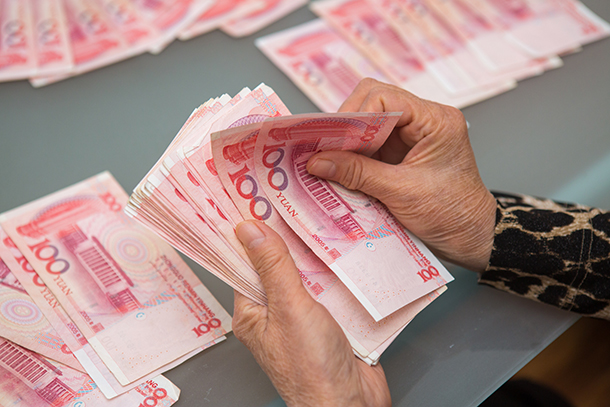
This marks Xi’s most definitive stance on the internationalization of the yuan, highlighting his vision for a robust currency supported by a solid financial infrastructure. Speaking in the party journal Qiushi, he stated that China must establish a powerful currency that is widely utilized in international trade, investment, and foreign exchange markets to attain reserve-currency status.
Xi identified the necessity for a stronger central bank, competitive financial institutions, and international financial hubs to realize this ambition. His remarks reflect China’s long-term strategy to increase its economic influence, particularly as the US dollar shows signs of weakening and central banks globally reevaluate their currency holdings amid shifting economic dynamics.
Analysts suggest that achieving these goals will require not just political commitment but also substantial economic reforms, including better access to China’s financial markets and enhanced trust from international investors. Xi’s push for the yuan could signal significant changes in the global financial framework, especially amid ongoing geopolitical tensions and economic rivalry.
Meanwhile, US President Donald Trump has welcomed the dollar’s recent decline as beneficial for American exports, while simultaneously criticizing China and Japan for their previous efforts to devalue their currencies, deeming it unfair competition for American products.
