

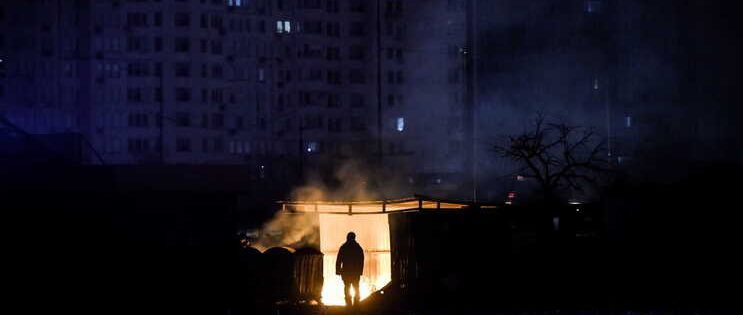
The situation is particularly severe in regions repeatedly targeted by missile attacks, where power outages can last for days. In some areas, temperatures have fallen below minus 15 degrees Celsius, and residents are forced to rely on generators, makeshift heating systems, or community shelters. The risk of hypothermia, respiratory illness, and other cold-related health problems is rising, especially among children, the elderly, and those with chronic conditions.
Humanitarian organisations warn that the crisis is intensifying as winter deepens and supply lines remain disrupted. Emergency shelters are operating at capacity, while local authorities struggle to provide consistent support amid ongoing security threats. The combination of conflict and extreme weather has deepened the humanitarian emergency, underscoring how the war’s impact extends far beyond the front lines.
The crisis also highlights the long-term strain on Ukraine’s civilian infrastructure and the limitations of current international aid, which has been unable to fully meet escalating needs. As winter continues, officials are calling for increased humanitarian assistance and urgent repairs to damaged energy facilities to prevent further loss of life.
