

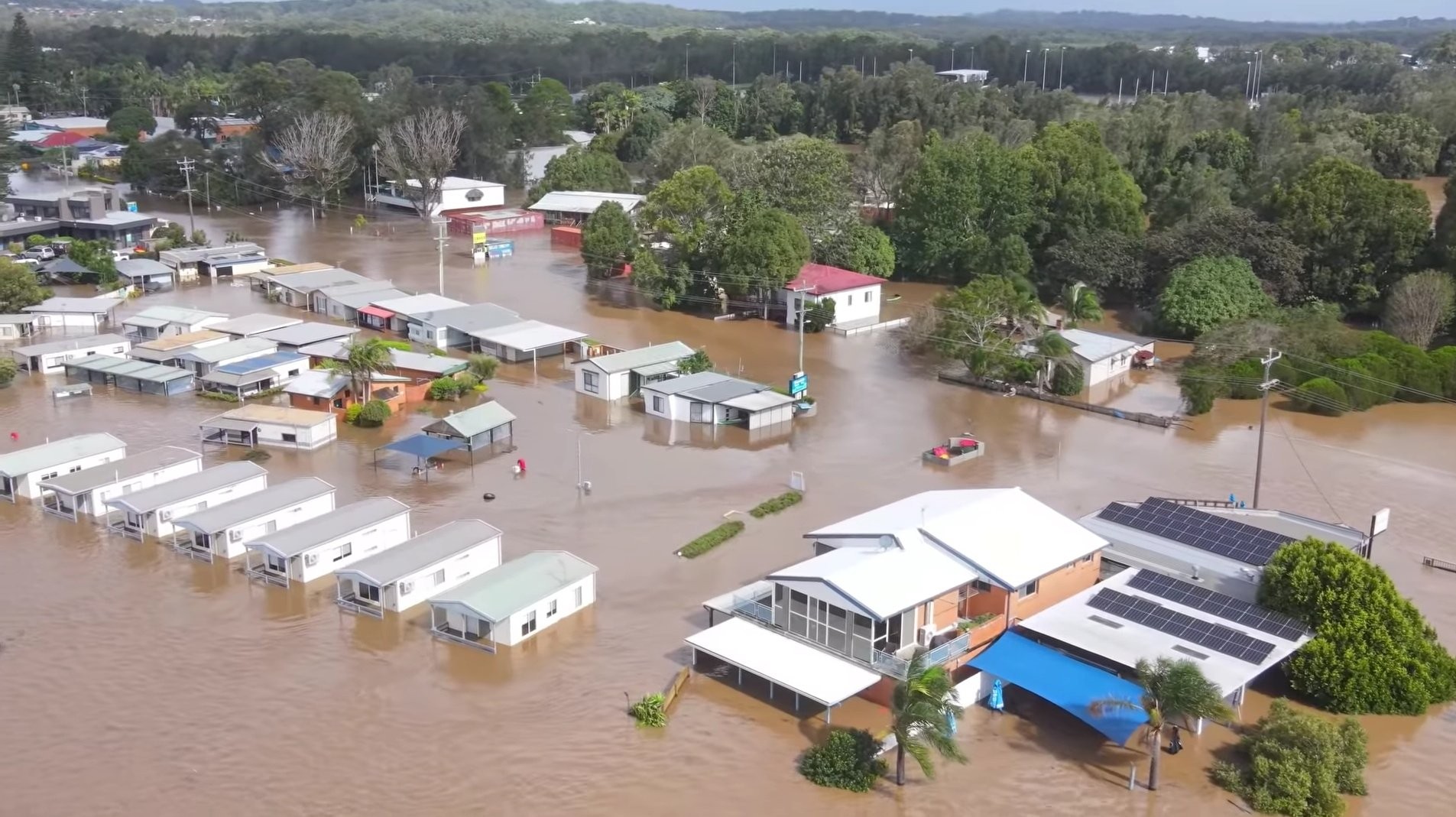
A powerful thunderstorm system unleashed torrential rain that overwhelmed rivers and drainage systems in the Wye River, Lorne, Kennett River, and Cumberland River areas, leading to sudden and dangerous flash floods. The deluge followed reports of more than 170 millimetres of rainfall in just a few hours, an exceptionally high volume that inundated roads and coastal communities.
Dramatic scenes emerged as vehicles, caravans and tents were swept away by floodwaters and, in some cases, carried into the ocean, prompting emergency warnings and search efforts by rescue teams. Emergency services confirmed no injuries or missing persons as of Thursday evening, but extensive property damage has been reported.
Authorities closed major sections of the Great Ocean Road due to landslides and hazardous conditions, while emergency relief centres were established in Lorne and surrounding communities to shelter displaced residents and holidaymakers. Power outages affected thousands of homes, and officials urged the public to avoid all non-essential travel in the region.
Victoria’s Premier described the events as “terrifying” and reiterated the importance of heeding official warnings as climate-driven extreme weather events continue to pose risks to infrastructure and public safety.
Meteorologists say the violent storms are part of a broader pattern of extreme weather affecting eastern Australia, with additional flood and thunderstorm warnings remaining in place for parts of New South Wales and Queensland due to continuing heavy rainfall and unstable atmospheric conditions.
This latest weather disaster comes as Australia faces a challenging summer season marked by extreme temperatures, flood risks and heightened emergency responses, underscoring the growing impact of climate variability on communities across the country.
