

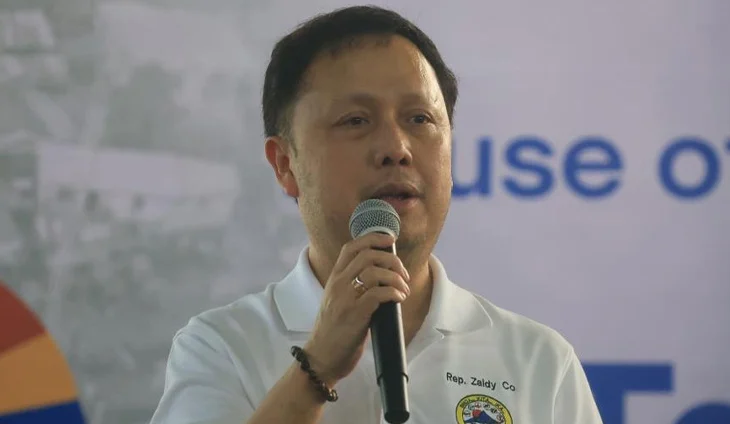
Presidential press officer Claire Castro confirmed that the government is looking into proposals by Senator Panfilo Lacson to utilize UNCAC’s international cooperation mechanisms for Co’s extradition the South China Morning Post reported.
However, complications arise from the absence of an extradition treaty between the Philippines and Portugal and the limitations agreed upon when the Philippines ratified UNCAC.
Co’s arrest became a priority for President Ferdinand Marcos Jnr., who sees it as a litmus test for his administration’s anti-corruption efforts. Co has been linked to suspicious infrastructure funding, but he denies the allegations and claims he divested from involved companies prior to his departure.
Experts caution that the Philippines must carefully shape its narrative to avoid accusations of political persecution, which could hinder extradition efforts. Additionally, while UNCAC provides a legal framework for cooperation, some legal experts note that the Philippines’ previous declaration during the treaty ratification restricts its use for extradition purposes.
Despite these challenges, options remain available under UNCAC for locating Co, such as asset freezes, SCMP reported. Co reportedly holds a Portuguese passport, complicating his extradition and possibly shielding him under Portuguese citizen protections.
Overall, while the use of UNCAC could serve as a strategy for the Philippines, the process may not be straightforward due to legal intricacies involving Co’s nationality and the lack of an extradition treaty.
