

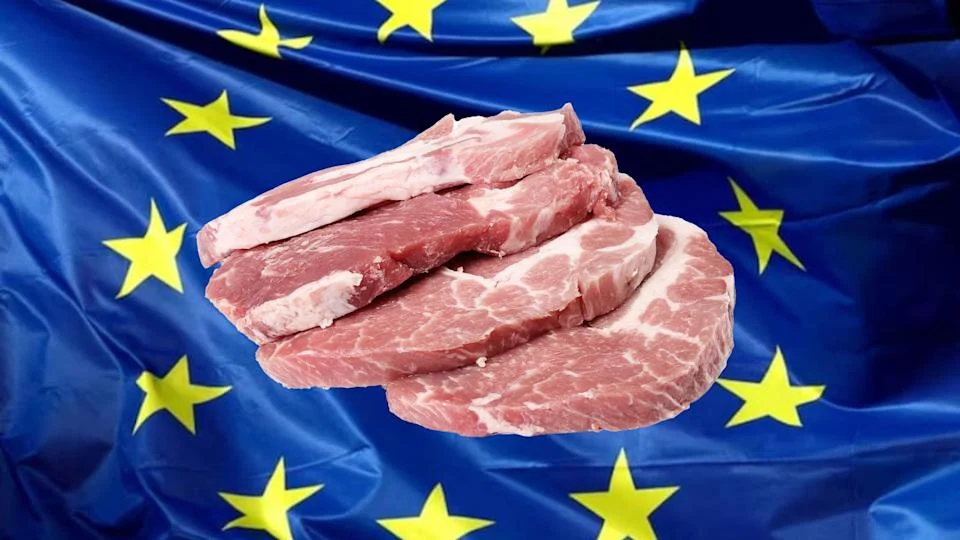
Following an investigation launched in June 2024, the ministry ruled that EU pork products were being dumped into the Chinese market, causing “substantial damage” to the domestic industry. Officials stated that a clear causal link had been established between the dumping practices and the injury suffered by Chinese producers.
The new tariffs, which will remain in place for five years, range from 4.9% to 19.8%.
The final duties are significantly lower than the preliminary rates announced earlier in the investigation, which had reached as high as 62.4% in the form of security deposits.
According to the final ruling, Danish Crown and two related entities will face a duty rate of 18.6%; four subsidiaries under the VION group will be taxed at 19.8%; near 120 companies that cooperated with the investigation, including major brands like Cooperl, will be subject to a 9.8% rate; all other non-cooperating EU companies will face the maximum rate of 19.8%.
The ministry also confirmed that security deposits collected on these imports between September 10 and December 16 of this year will be retroactively converted into anti-dumping duties.
The tariffs apply to a broad category of pork products intended for human consumption. This includes fresh, cold, and frozen pork; edible offal; and various by-products such as pig fat, intestines, bladders, and stomachs, whether fresh, salted, dried, or smoked.
The measures are widely viewed as a retaliatory step. The investigation was initiated on June 17, 2024, immediately after the European Union announced provisional anti-subsidy tariffs on Chinese-made electric vehicles (EVs).
While trade talks between the two economic powers had shown brief signs of progress—with Beijing extending the investigation deadline in June, citing the case’s “complexity”—the final ruling confirms a hardening of China’s stance. The imposition of these duties marks the latest escalation in ongoing trade friction, as both Beijing and Brussels navigate disputes over subsidies, market access, and industrial overcapacity.
