

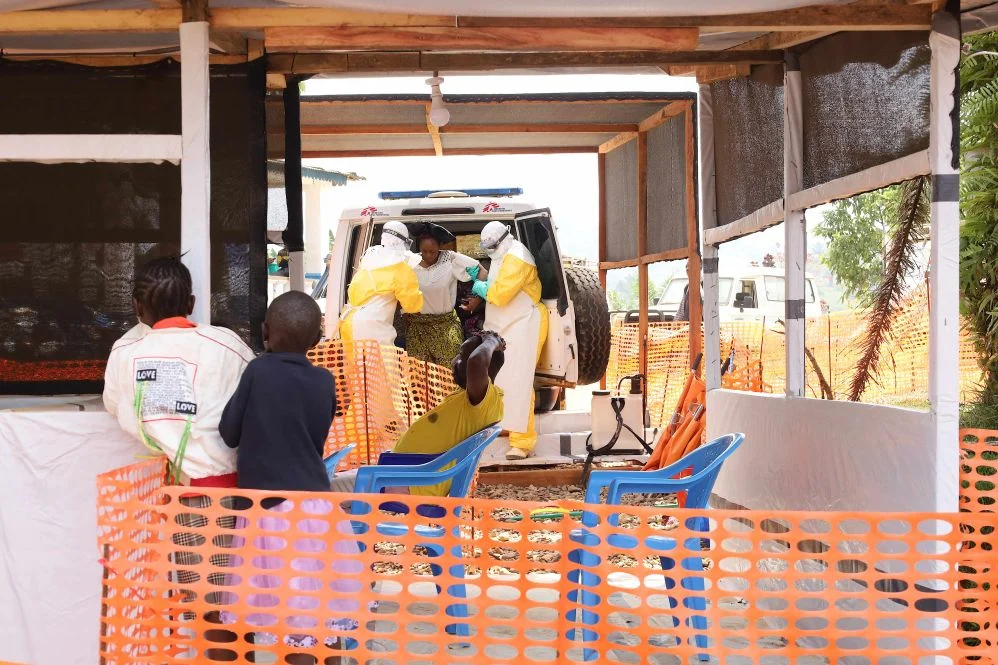
A genomic study published in Nature Medicine has confirmed that the escalating Ebola outbreak in the Democratic Republic of the Congo and neighboring Uganda originated from a fresh animal-to-human spillover event rather than the re-emergence of previous human transmission chains.
Researchers from international institutions analyzed genetic sequences from affected patients across the region, finding that the circulating Bundibugyo strain is genetically distinct from variants responsible for earlier outbreaks in 2007 and 2012.
Epidemiologists emphasized that while the initial event involved a new crossover from an animal reservoir to a human host, the subsequent rapid expansion of the outbreak has been driven entirely by sustained human-to-human transmission.
Read more about this topic: DR Congo: Ebola outbreak claims 930 lives as fatalities surge (with video)
The current epidemic has become the fastest-spreading Ebola outbreak on record, causing over 2,000 deaths out of more than 4,400 confirmed cases since its onset early this year. Health authorities face significant operational hurdles because existing vaccines, which were developed to combat the Zaire strain during previous regional crises, offer no protection against the Bundibugyo variant currently in circulation.
World Health Organization officials warn that without rapid intervention and field containment measures, the outbreak could continue to expand over the coming six to twelve months.
Public health teams are prioritizing early detection, contact tracing, and supportive care protocols while international research teams accelerate efforts toward clinical vaccine trials targeted specifically at the active strain.
