

American President Donald Trump accused United States oil companies this Monday of making “too much money” and demanded lower prices, while warning Iran that it has a “last chance” to reach a peace agreement.
“I don’t like this. They’re making a lot of money. Taking advantage of the shortage, they’re profiting too much,” the American President told reporters at the White House.
Stating that he is “a strong supporter of free enterprise,” Trump cited ExxonMobil and Chevron as among those that have profited most from the consequences of the war launched by the United States and Israel on February 28 against Iran, which sent oil prices soaring.
“When you see that a company has multiplied twelvefold what it generated the previous year, it should return part of that profit to the public,” the White House leader insisted, noting that the big oil companies “have every incentive to lower prices at the gas pumps.”
Read more about this topic: Japan backs overseas oil pipeline investments to cut reliance on Hormuz
ExxonMobil announced that its net profit doubled in the second quarter of 2026, reaching 14.5 billion dollars (12.6 billion euros), while Chevron recorded 12.1 billion dollars (10.1 billion euros), five times more than a year earlier. However, both companies avoided linking the increase in revenue to the conflict.
ExxonMobil’s CEO attributed the rise in fuel prices mainly to a lack of refining capacity, warning that costs will likely remain elevated for some time.
Rising energy prices have been the main driver of inflation in the United States since the start of the year, and the loss of purchasing power is one of the main concerns among Americans just three months ahead of the midterm elections, scheduled for November.
Donald Trump criticized the “unbelievably hypocritical” attitude of Iranian leadership for its refusal to confirm that it is in peace talks with Washington.
Read more about this topic: Blockade in Hormuz and the Red Sea could affect 25% of world oil traffic
“They ask for a meeting, some would say ‘beg,’ talks begin and others are scheduled for the near future. Yet they openly and proudly declare that they are not negotiating anything, that nothing is being discussed and that they are only dealing with Oman,” he lamented.
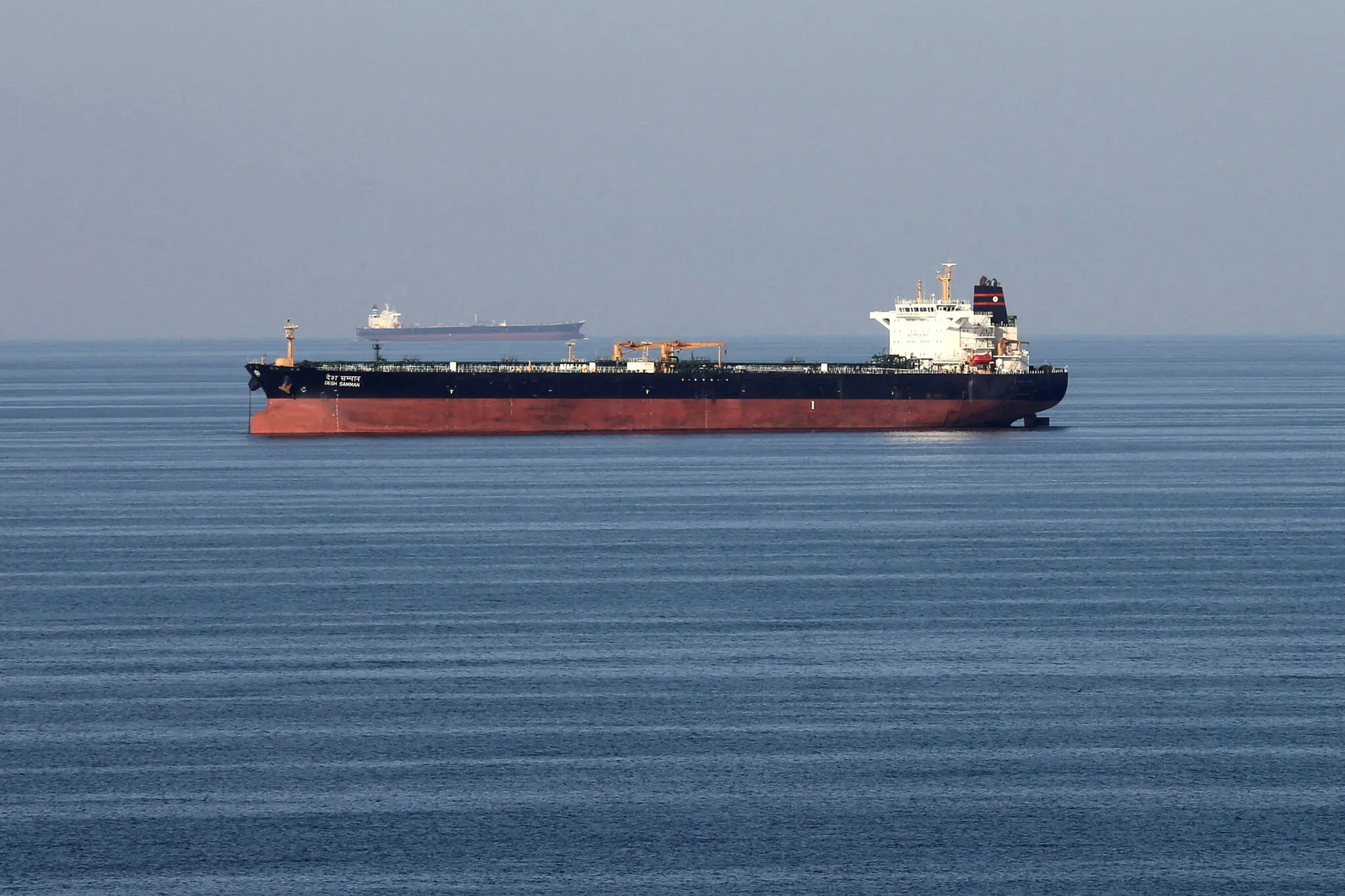
For the American head of state, Tehran is resorting “once again to its usual rhetoric, claiming that it will firmly control the Strait of Hormuz, when in reality it is already under the absolute control of the United States Navy,” referring to the military blockade imposed by the Islamic Republic on commercial shipping since the start of the war.
The White House leader explained that the first phase of the negotiations “consists of opening the strait” and that the second phase will deal with the denuclearization of the Islamic Republic, which “will take some time.” At the same time, he reiterated the “firm position” that the Iranians “cannot have nuclear weapons.”
Trump announced on Sunday that Washington and Tehran would resume peace talks this Monday, after they had been stalled during the escalation of hostilities in recent weeks.
Read more about this topic: Trump says Iran has “last chance” to sign a deal. A tanker was just struck in the Strait of Hormuz (with video)
He also stated that Iran itself requested the halt of the plan for new attacks, which he described as “the biggest since World War II.” However, the spokesman for Iran’s Ministry of Foreign Affairs, Esmail Baghaei, denied this Monday that the Islamic Republic is in negotiations with the United States, stating that matters related to Washington would be examined and decided based on future developments.
Although both sides signed a memorandum of understanding on June 17 to halt military attacks and begin a two-month dialogue toward a definitive peace agreement, cross-offensives have resumed. The rise in tension led Tehran to reinstate restrictions in the Strait of Hormuz and Trump to order the reestablishment of the naval blockade on the Iranian coast.
