

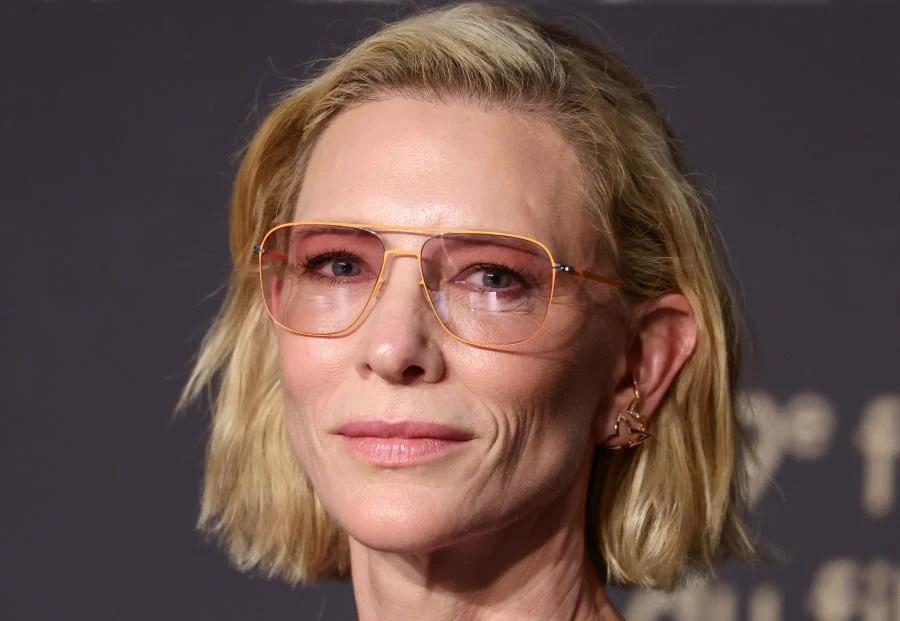
Actress Cate Blanchett launched the RSL Media Human Consent Register today, a free website designed to allow anyone to protect their name, face, or voice against unauthorized use by artificial intelligence platforms.
“In the era of Artificial Intelligence [AI], your identity is your intellectual property, and everyone has the right to decide how AI can or cannot use it,” said the actress, producer, and co-founder of RSL Media during the presentation session held at the European Parliament in Brussels. She was accompanied by the company’s CEO, Nikki Hexum, and MEP Eva Maydell.
The tool is accessible at rslmedia.org. According to the actress, the project “gives everyone a voice and a way to take action regarding AI permissions, helping to preserve and protect trust across the constantly evolving AI landscape.”
The platform functions as a public database where individuals can log key elements of their identity. The system allows users to set three distinct tiers of consent for each registered item:
-
🔴 Red: Complete prohibition of AI utilization.
-
🟡 Yellow: Conditional or restricted utilization.
-
🟢 Green: Unrestricted permission for AI training or generation.
In its initial phase, the registry is focused on core identity elements like names, images, and voices. A planned second phase will extend these protections to creative works and registered trademarks, making it a viable tool for individual creators, talent agents, and managers alike.
Read more: Legendary music producer Clive Davis dies at 94
The launch event gathered prominent political and business figures from the technology, music, and entertainment industries, including film director Steven Soderbergh and Scott Mann, co-founder of the AI-driven audiovisual production company Flawless.
Mann noted that “AI tools should augment human creativity, not replace it, but for that to happen, consent needs to be clear, accessible, and actionable.”
The unveiling at the European Parliament was highly symbolic. RSL Media CEO Nikki Hexum praised the European institution for “leading the way in digital rights and the responsible use of AI.”
While checking the registry is not yet a systemic legal obligation for AI developers in most global jurisdictions, this registry marks the first global framework designed to make human consent explicitly detectable and enforceable online.
Read more: Hakimi will stand trial for rape in French court
The project follows a broader pushback from the creative community; in January, Blanchett was one of more than 800 artists who signed an open letter accusing major tech firms of committing “theft” through unauthorized AI training data practices.
