

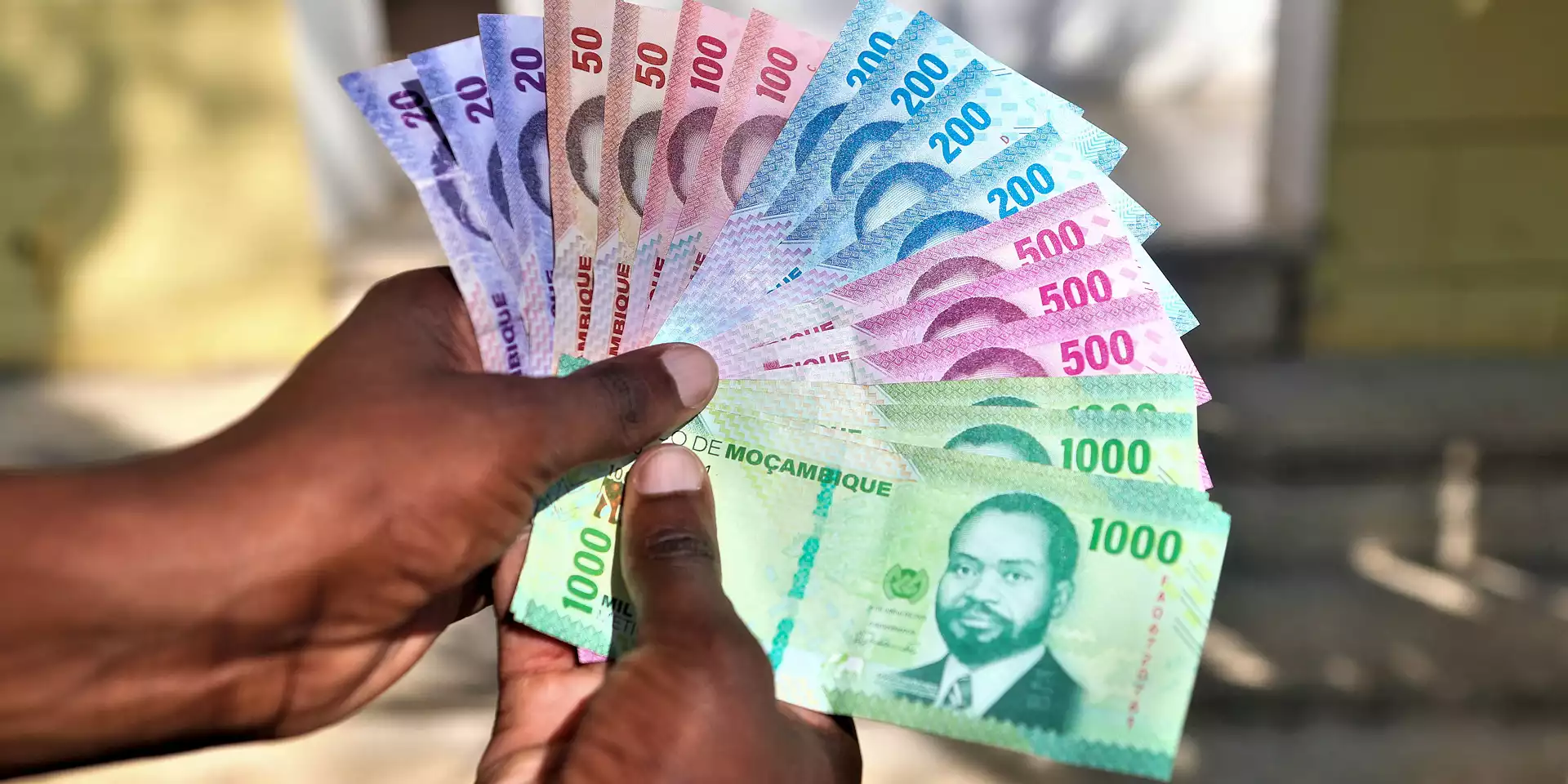
Oxford Economics described Mozambique’s early and full repayment of its €630 million debt to the International Monetary Fund (IMF) as “a sign of desperation” due to the country’s urgent need for external financial assistance, calling it “a bold attempt” to secure further financing.
The consultancy noted that while repaying debt in full is generally seen as financially responsible, in Mozambique’s case it reflects the country’s dependence on international aid. Analysts predict a new IMF loan agreement could be finalized in Q2 2026, which would temporarily raise public debt to a projected 125% of GDP before medium-term fiscal consolidation effects.
Mozambique faces significant fiscal and external pressures due to a high public debt burden and an overvalued currency. Oxford Economics highlighted that international support is crucial, especially given disruptions like the closure of the Mozal aluminum smelter and the ongoing geopolitical tensions involving the US, Israel, and Iran, which could raise costs for fuel, fertilizers, food, and energy.
Read more about this topic: Mozambique brings IMF debt to zero by paying €630 million
The Mozambican Ministry of Finance confirmed that the €630 million repayment was made using the country’s net international reserves, without affecting the state budget or the functioning of government institutions. Finance Minister Carla Loveira emphasized that the resources were already available within the country’s financial positions at international institutions, ensuring no fiscal strain.
The government continues to collaborate with the IMF technical team to structure a new program aimed at preserving macroeconomic stability and promoting long-term development for the benefit of Mozambican citizens.
