

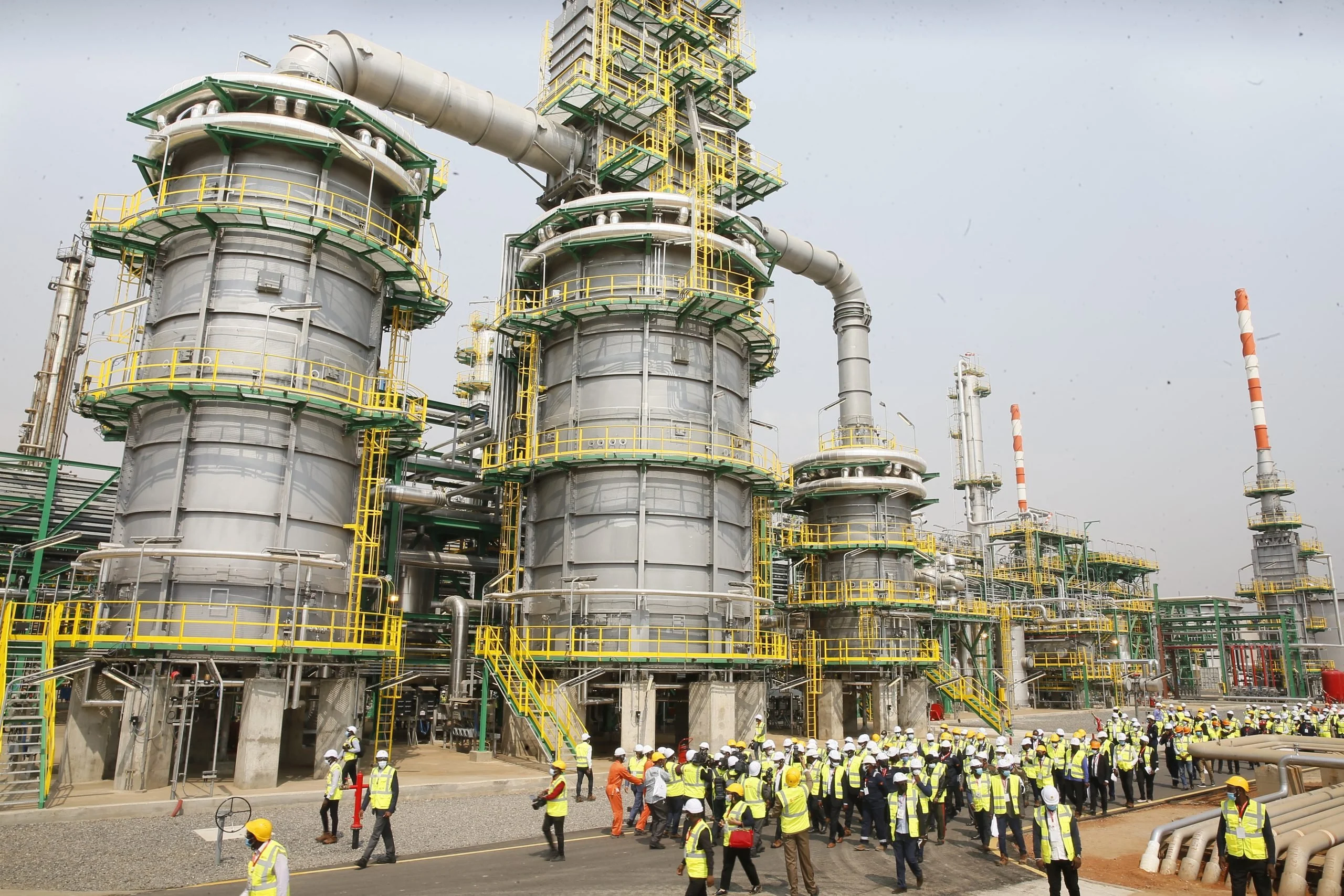
Angola is among the most benefited economies in Africa from the US and Israeli war against Iran, due to rising oil prices and improved debt financing conditions.
“If oil stays at around $85 per barrel, Angola, Nigeria and Ghana will see their current account improve, while the Democratic Republic of Congo, South Africa and Kenya will be among the most affected,” according to Bloomberg Economics analyst Yvonne Mhango, who nevertheless warns of other negative effects.
“For most African economies, higher oil prices mean weaker currencies and renewed inflationary pressure, which could put interest rate hikes back on the table,” she added.
In Angola’s case, the current account of the Portuguese-speaking African country could benefit by up to 3.3% of GDP, according to the analyst’s report, which states that oil-producing countries, led by Nigeria, benefit not only from the rise in crude oil prices but also from fuel exports. Nigerian billionaire Aliko Dangote this week raised the possibility of sending more products from his 650,000-barrel-per-day oil refinery to Europe if the price is right, Bloomberg notes.
The price of Brent crude on international markets has risen by nearly 14% since Monday to $83, but analysts commenting on the consequences of this rise for African oil-producing economies stress that the impact is, for now, short-term and they have not yet revised their year-end forecasts.
In financial markets, the gain is already being felt, with the yields demanded by investors to trade public debt on the secondary market improving for the second consecutive day. The spread on African dollar-denominated bonds over US Treasury bonds narrowed by around seven basis points to 339, according to the JPMorgan index, where Angola’s Eurobonds led the gains, falling four basis points to 10.56%.
Even before the strikes on Iran, African countries were already benefiting from improved financing conditions, taking advantage of lower interest rates to push debt issuance in the first two months of the year to nearly $6 billion (around €5 billion) — the highest level since 2013.
“Investors reacted positively to fiscal reforms in countries such as Nigeria and South Africa, credit rating agencies improved ratings” in countries such as Ivory Coast, and Kenya and Egypt struck deals with the International Monetary Fund, lending credibility to their domestic reform agendas, Bloomberg also notes.
Read more about this topic: Angola’s economy grew 5.7% in the fourth quarter of 2025, driven by non-oil activity
The outlook now, however, is one of suspension, as governments in the region will need to wait at least two or three weeks before being able to access international capital markets again, Bloomberg concludes, noting that the Democratic Republic of Congo — the continent’s largest copper producer — had planned a $750 million (€647 million) bond issuance in April but has postponed the initiative.
The United States and Israel launched a military strike against Iran on February 28, killing ayatollah Ali Khamenei, the country’s supreme leader since 1989, during the offensive. The Iranian Leadership Council is currently running the country.
Iran closed the Strait of Hormuz and launched retaliatory strikes against targets in Israel, US bases and other infrastructure in countries across the region, including Saudi Arabia, Bahrain, the United Arab Emirates, Qatar, Kuwait, Lebanon, Jordan, Oman and Iraq. Incidents involving Iranian projectiles were also recorded in Cyprus and Turkey.
Since the start of the conflict, more than one thousand deaths have been recorded, the majority Iranian.
