

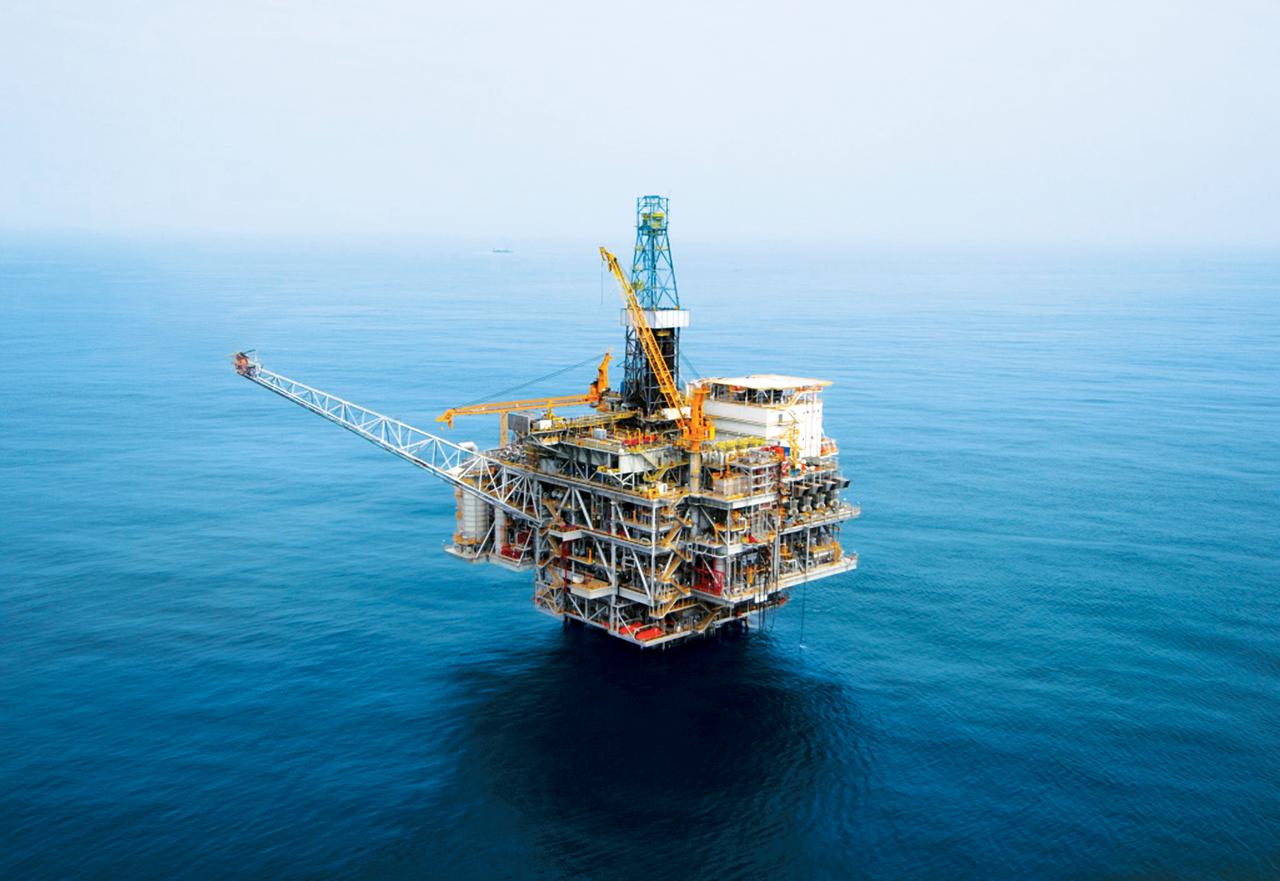
In recent days, military tensions in the region have caused the barrel of oil to about $86. Authorities from exporting countries, including Qatar, Saudi Arabia, and the United Arab Emirates, have warned that they may suspend part of their production if the security of strategic facilities is threatened. The escalation has generated nervousness in global financial markets, with declines in indices and an increase in risk aversion, while some Asian stock exchanges attempted to recover some losses in search of opportunities amid geopolitical uncertainty.
Read more: Global Oil Prices Rise Amid Middle East Shipping Concerns
Economic specialists assert that the situation represents a real threat to supply chains, potentially pressuring fuel, transportation, and essential goods costs, as well as impacting the growth rate of economies more dependent on imported energy.
The Qatari Minister of Energy, Saad al-Kaabi, stated that the country’s oil production will remain suspended until hostilities are completely ceased, which may lead to an increase in the price of oil.
“The signal will be when our armed forces declare that there has been a complete ceasefire and that we are no longer under attack,” he said, emphasizing that he would not put the population at risk by resuming activities in the oil industry.
The minister highlighted that the current war has the potential to severely affect global economies, noting that “all energy exporters in the Gulf could halt production within a few weeks, raising the price of oil to $150 per barrel.”
