

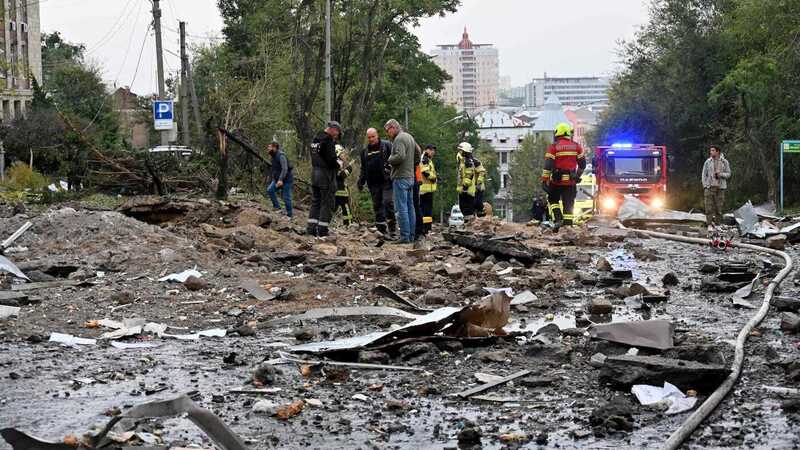
With recent conflicts in Ukraine, Gaza, and Iran dominating the news, many parents face the challenge of explaining to their children what is happening in the world without causing unnecessary fear or distress. Clinical psychologist Marcela Matos, Assistant Professor at the University of Coimbra and Senior Researcher at CINEICC warns, in statements to PLATAFORMA, that the secret lies in presence and active listening.
“Often, children have already been exposed to these news stories, whether through television, the internet, or adult conversations. Trying to hide the topic is not effective; what is most important is that there be an adult capable of explaining, providing context, and reassuring them,” she states.
According to Matos, the ideal approach is to start the conversation naturally, when the child shows interest or curiosity. “It’s useful to begin by asking what she knows or thinks about what is happening. This helps to understand fears, misconceptions, and levels of understanding, so that the explanation can then be adapted appropriately to the child’s age,” she explains.
Read more: War: Iran’s military chief of staff denies launching missile against Turkey
The specialist emphasizes that it is not necessary to go into shocking details. “More important than transmitting a large amount of information is showing availability, calm, and emotional security. Knowing that they are safe at home and maintaining stable family routines helps reduce anxiety significantly,” she adds.

Marcela Matos, Assistant Professor at the Faculty of Psychology and Educational Sciences of the University of Coimbra and Senior Researcher at CINEICC (Center for Research in Neuropsychology and Cognitive Behavioral Intervention).
There are clear signs that constant exposure to war news is affecting children’s well-being. Among these signs are changes in sleep, nightmares, irritability, loss of appetite, or changes in behavior. “Young children may become more dependent on their parents. In adolescents, pessimism, isolation, or irritability often appear. If these changes persist, it is advisable to seek professional support,” explains Matos.
Another relevant point is to avoid transmitting simplistic views of the conflict, such as “good versus evil” or stereotypes about countries and religions. “Wars have multiple causes, and on all sides, there are people suffering. Teaching this to children develops empathy and critical analysis skills,” she emphasizes.
Read more: US says it sank an Iranian warship with a torpedo launched by a submarine (with video)
The conversation about the effects of war can also be transformative. “Even though it is a difficult topic, it is possible to encourage acts of solidarity, such as participating in aid campaigns or learning about other cultures. This helps children channel their concerns into positive and constructive actions,” she emphasizes.
Marcela Matos reminds us that, in most cases, dialogue at home is sufficient. However, if anxiety is persistent or interferes with daily life, it is essential to seek psychological support. “Professional guidance allows the child to better understand emotions, develop regulation strategies, and feel safe again,” she concludes.
