

The Russian state nuclear energy company Rosatom said on Tuesday that the Bushehr nuclear power plant, which it operates, is in danger.
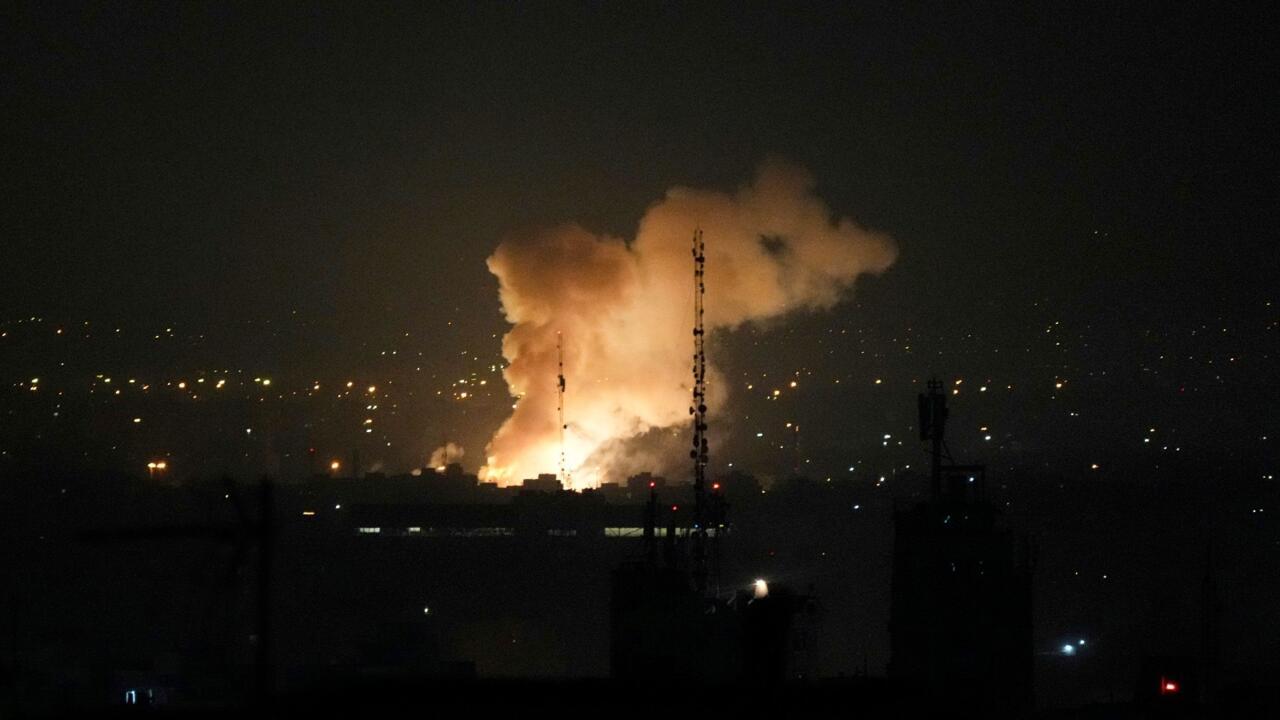
Bushehr “is at risk, as explosions can be heard just kilometers from the plant’s defensive perimeter. [The attacks] are not directed at the plant itself, but at military facilities located there. However, the threat clearly increases as the conflict intensifies,” said Rosatom’s director, Alexey Likhachev.
Likhachev stressed that “any breach of the integrity of the reactor or the fuel storage facilities” would mean “contamination of vast territories and completely unpredictable movements of radioactive substances, depending on atmospheric conditions.”
He therefore urged that the safety of the nuclear facility be treated as a priority, noting that construction work on the site has been suspended by the Russian side.
At the same time, he announced that the second phase of evacuation from the plant will be carried out “as soon as the war situation allows.”
“At the moment, there are 639 people there,” he said, adding that no children or women remain at the site.
On Saturday, Likhachev indicated that all children of Rosatom employees, plant personnel, and others who wished to leave the country — a total of 94 people — had already been evacuated from Iran.
Read more about this topic: Almost 800 dead in Iran after bombardments; US NGO speaks of nearly 200 children
Months earlier, Likhachev warned that an attack on the plant, particularly on its first power unit, would trigger a “catastrophe comparable to Chernobyl,” referring to the 1986 nuclear disaster at the Chernobyl Nuclear Power Plant.
Following Israeli strikes against Iran in June 2025, the Kremlin ruled out withdrawing personnel operating the Bushehr Nuclear Power Plant, located near the Persian Gulf. At that time, around 600 workers were stationed at the facility.
Those Israeli attacks took place during the 12-day war between Tehran and Tel Aviv, during which the United States also bombed Iranian nuclear facilities, including Natanz, according to the International Atomic Energy Agency (IAEA).
The IAEA said the uranium enrichment facility in central Iran sustained “some recent damage,” although “no radiological consequences are expected.”
Read more about this topic: Living next to war: is there a risk for Portuguese people in Dubai?
The UN agency added that the damage was concentrated in the “entrance buildings” of the underground section of the Iranian nuclear installation.
