

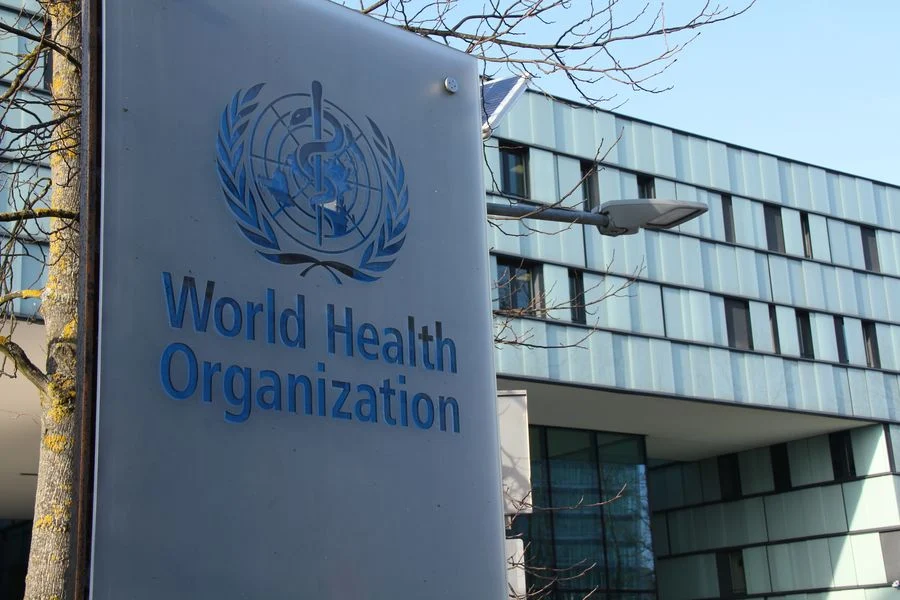
The report estimates that in 2022, approximately 37.8% (or 7.1 million cases) of newly diagnosed cancers were related to preventable factors, highlighting the significant potential of prevention efforts in reducing the global cancer burden.
This study covered data on 36 types of cancer, investigating 30 preventable carcinogenic factors (such as smoking, alcohol consumption, high BMI, lack of exercise, air pollution, etc.) and 9 sources of carcinogenic infections.
The results indicated that “smoking” is the leading preventable cause of cancer globally, accounting for 15% of new cancer cases, followed by infections (10%) and alcohol consumption (3%).
- 2026 Sands Shopping Carnival Attracts Nearly 160,000 Visits, Supporting Macao’s Economic Diversification
- Trump accuses Netanyahu of trying to keep US at war with Iran
- Promise kept: Cucurella gets Luis de la Fuente’s face tattooed
- Roberto Mancini becomes Italy’s national coach once again after Pirlo/Maldini drama
- Cristiano Ronaldo set to star in first drama series
- Milei accuses US Democrats of funding “anti-Argentina campaign” over World Cup
- Japan backs overseas oil pipeline investments to cut reliance on Hormuz
- Japan: Naval base reports no damage after major Kyushu earthquake
- People are trapped after a mall floor collapsed in Japan’s earthquake. The cause still isn’t clear (with video)
- Vozinha joins Colo-Colo on career-high salary after World Cup heroics
Regarding cancer types, lung cancer, gastric cancer, and cervical cancer make up nearly half of all preventable cases. Lung cancer is primarily linked to smoking and air pollution, while gastric cancer is often attributed to Helicobacter pylori infection, and cervical cancer is predominantly caused by human papillomavirus (HPV).
Dr. Andre Ilbawi, head of the WHO cancer control team, noted that this is the first global analysis of preventable carcinogenic factors. By studying cancer patterns across different countries and populations, we can provide specific information to governments and individuals to effectively prevent cancer.
Data also show that the proportion of preventable cancers in men (about 45%) is significantly higher than in women (about 30%). The main risks for men are smoking (23%), infections (9%), and alcohol consumption (4%); for women, the leading risk is infections (11%), followed by smoking (6%) and high BMI (3%).
The report emphasizes that countries should develop tailored prevention strategies, including strengthening tobacco and alcohol control, promoting HPV vaccination, improving air quality, enhancing workplace safety, and advocating for healthy diets.
