

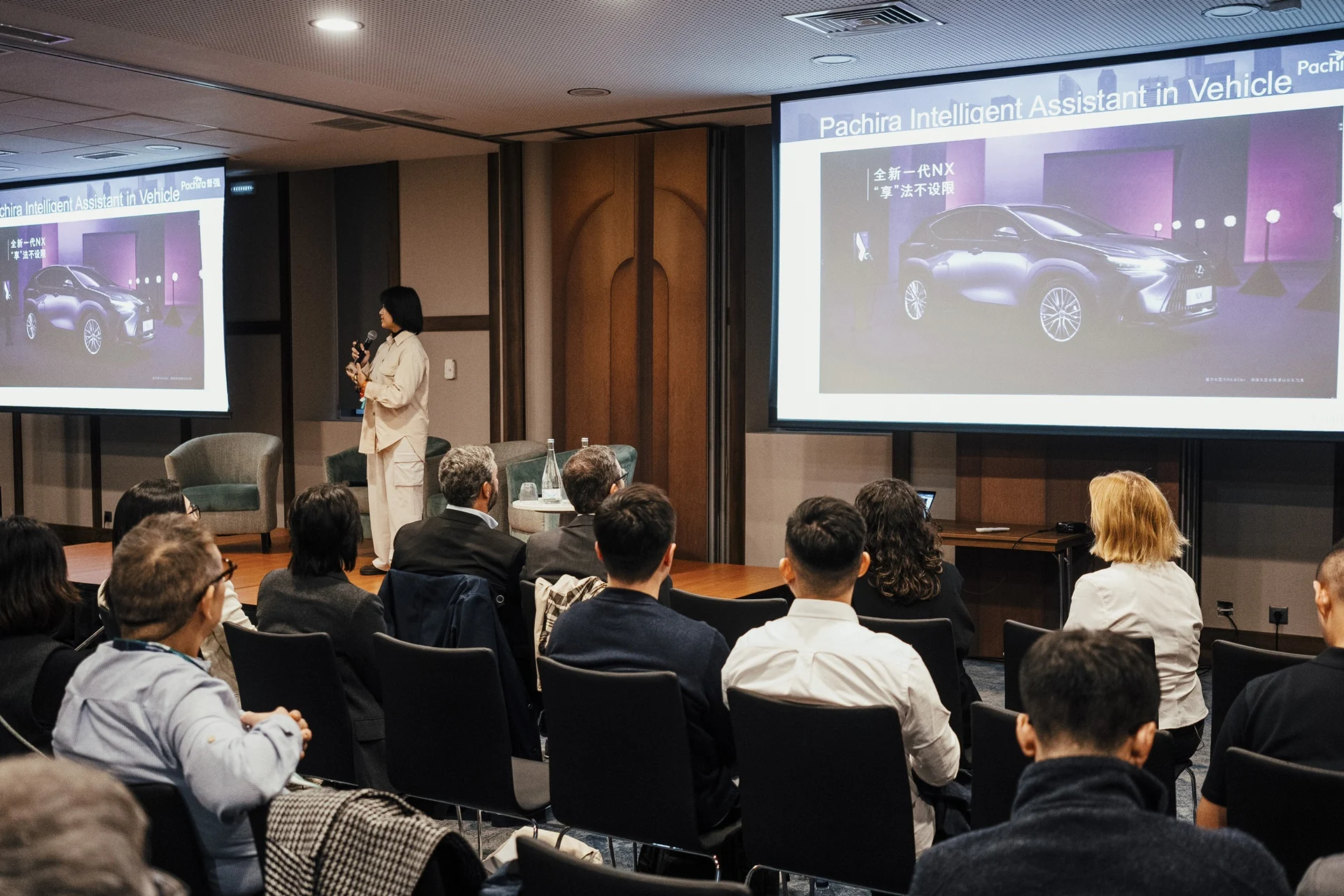
The Macao Technological Innovation Exploration in Lisbon 2025, held from 10 to 14 November, is part of Sands China’s support for the Macao SAR Government in promoting the sustainable development of smart tourism and high-tech industries. The initiative was co-organised by the Macao Economic and Technological Development Bureau (DSEDT) and supported by the Macao Science and Technology Development Fund (FDCT). Coordination was carried out by the Sands Resorts Incubation Centre, a company initiative that is dedicated to discovering and supporting local innovative enterprises with development potential.
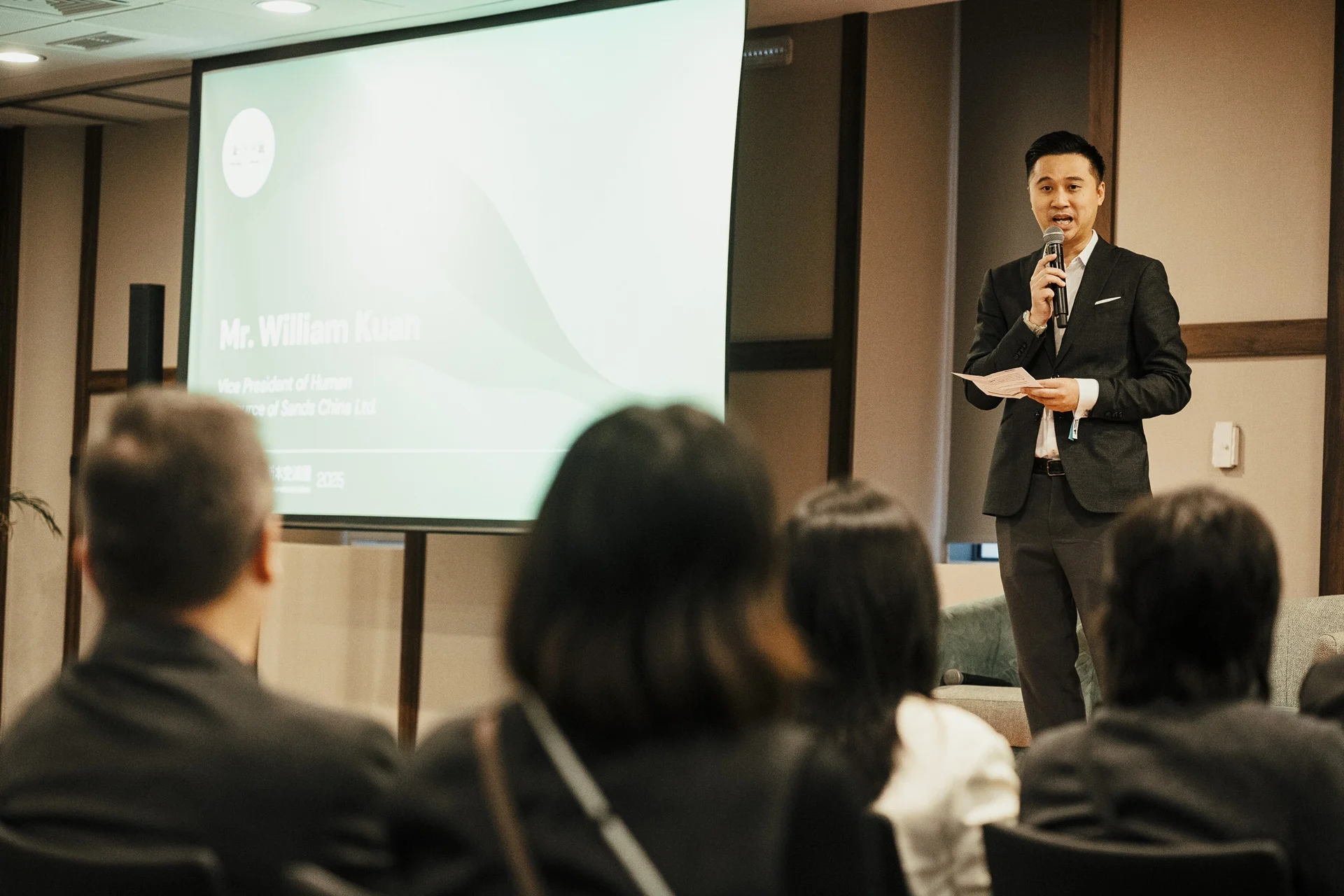
William Kuan, Vice President of Human Resources for Sands China, was among the roughly 60 participants in the room and highlighted the importance of the event for the Macao community. “By creating synergies between different talents, we transform individual potential into collective innovation,” he said. According to Kuan, initiatives like this not only promote the growth of local companies but also reinforce Macao’s position as an innovation hub in Asia.
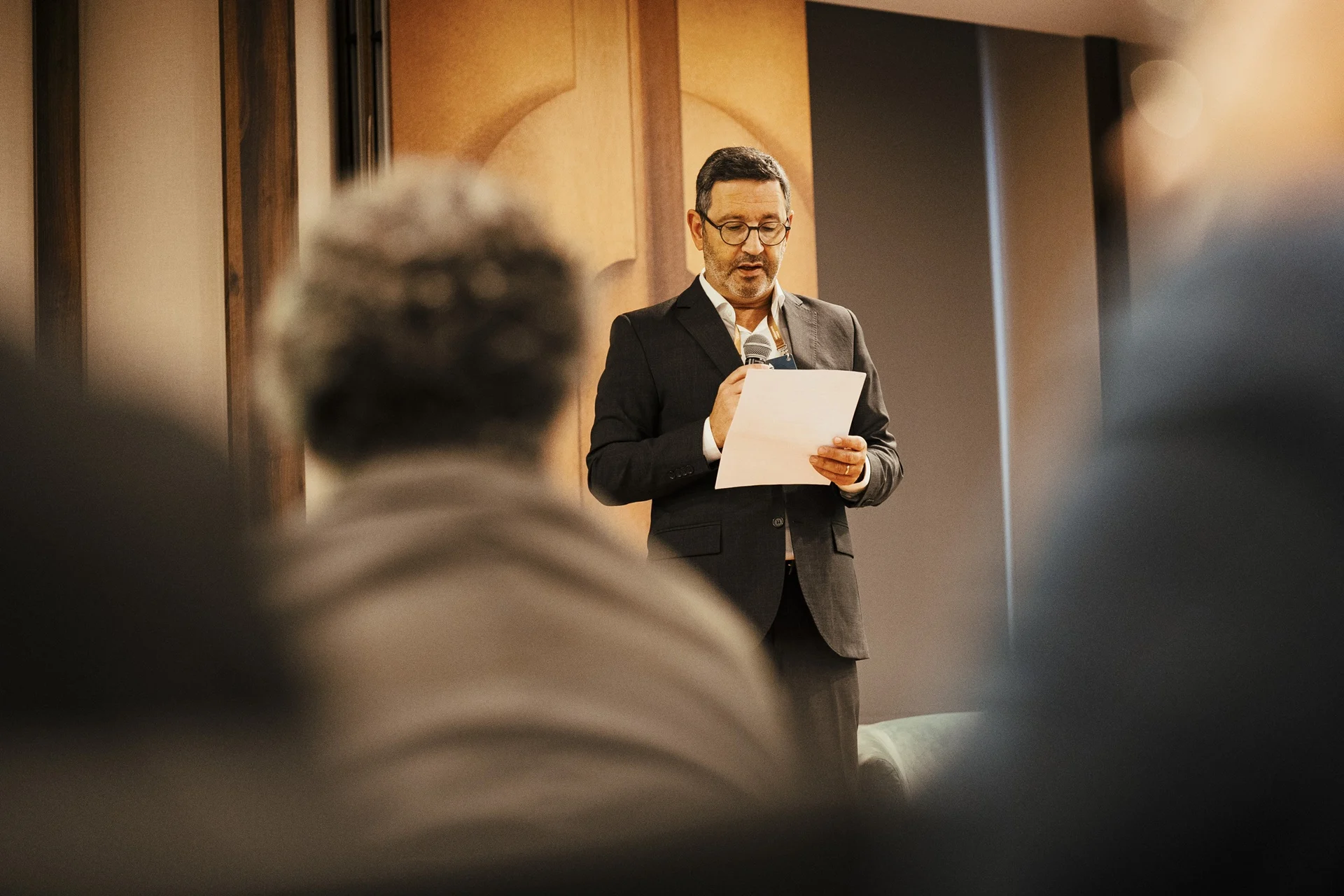
Paulo Rios de Oliveira, executive board member of the Portuguese Trade and Investment Agency (AICEP), echoed this view by emphasising Macao’s strategic position as a bridge between Portugal, China, and the Portuguese-speaking world. “We are ready to work together, innovate together, and build lasting partnerships,” he said, highlighting the Portuguese innovation ecosystem, which includes more than 4,000 startups and 100 incubators. For Oliveira, this infrastructure represents a unique opportunity to boost international collaboration and expand business sustainably, strengthening technological and cultural exchange between the two territories.
The Forum also hosted a debate on technological strategies. Rui Falcão, a Portuguese investor from Core Angels, stressed the importance of deepening cooperation in investment. “If we create a business group that can present local startups and integrate an international network, we will be able to co-invest and bring startups here, as well as do the reverse. The right level of investment facilitates the entire relationship and makes partnerships much more visible and effective,” he explained.
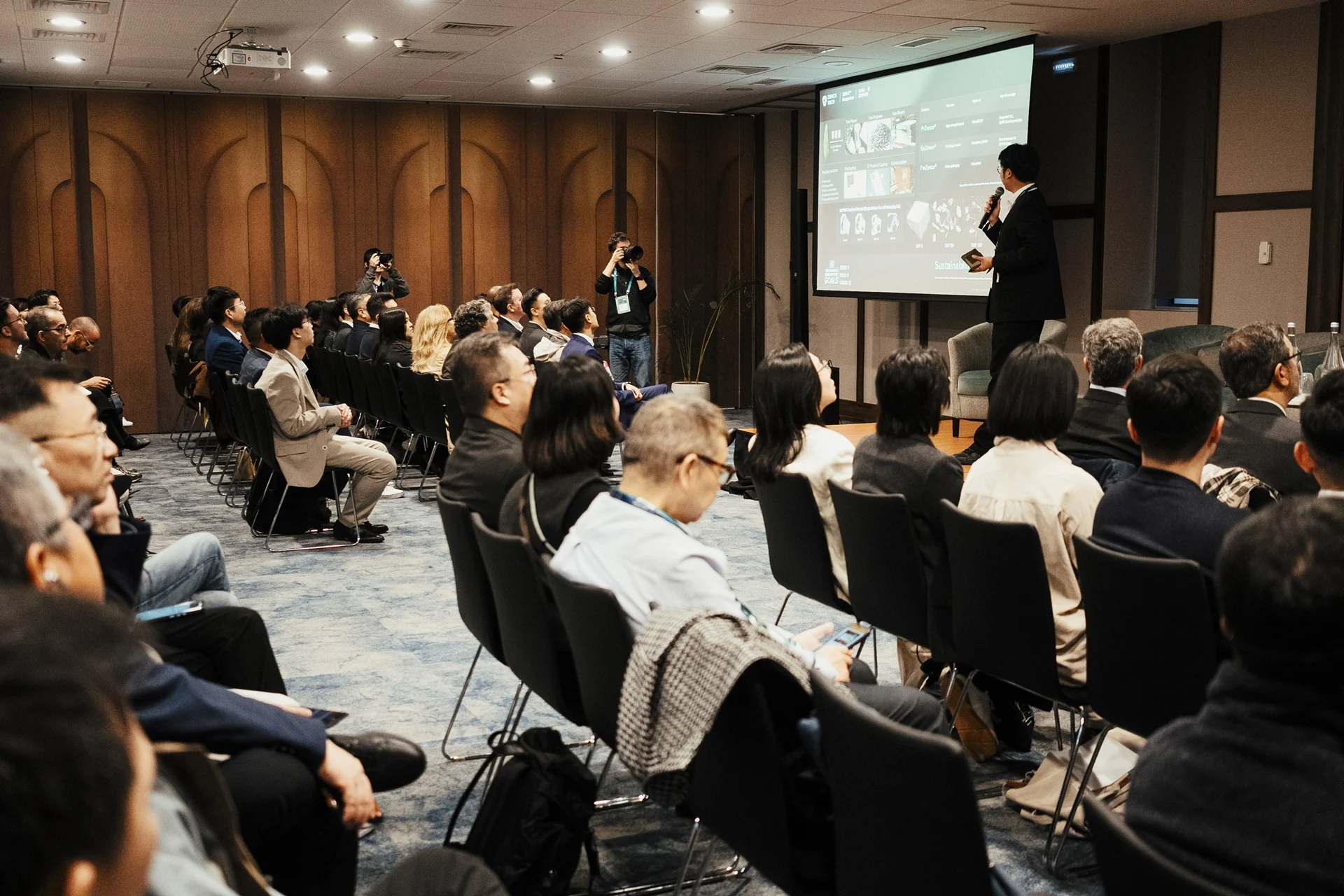
Victor Leong, General Manager of Vastcom – an enterprise from Macao – noted that his company began its mission by “integrating third-party technologies”, but after experiences at conferences “like this one”, started “building its own development team”, expressing hopes for partnerships with Portugal.
“A business plan was developed for Macao, Hong Kong and the Greater Bay Area, including strategic partnerships and entry into the local market. Recently, the company collaborated with the Macao Government, using artificial intelligence to analyse CVs and identify job matches, combining technology with human input,” he added.
The positive atmosphere of exchange was evident in the networking between delegations, both before and after the Forum. Ken Lai, CEO of AKL Intelligence Technology, highlighted the maturity of the startups present at both the Web Summit and the Forum, noting “the potential for collaboration” with Macao. “After the networking, I can already imagine concrete applications in Chinese mainland and joint projects with Macao enterprises, creating innovative solutions that can benefit both local and international markets,” he said.
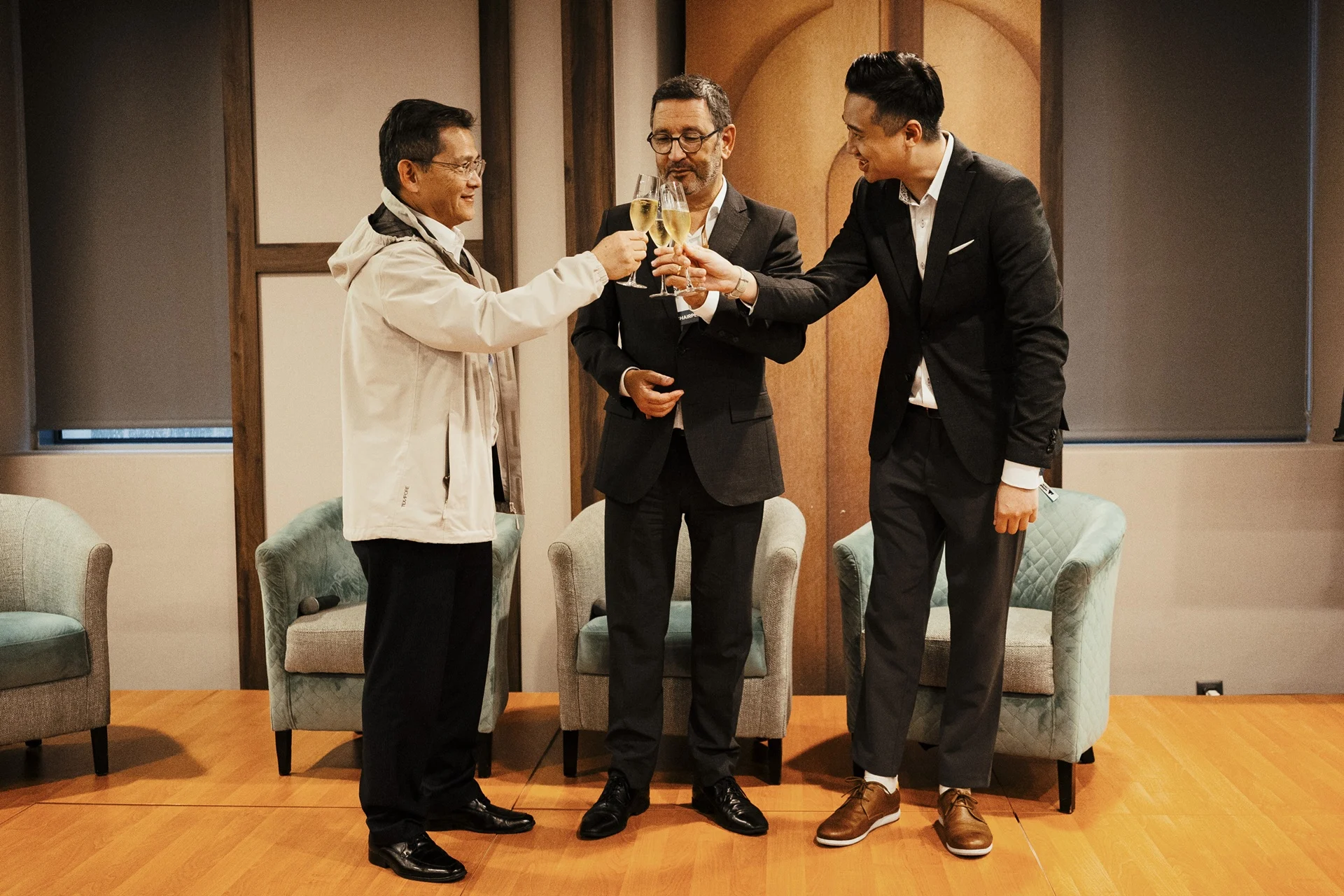
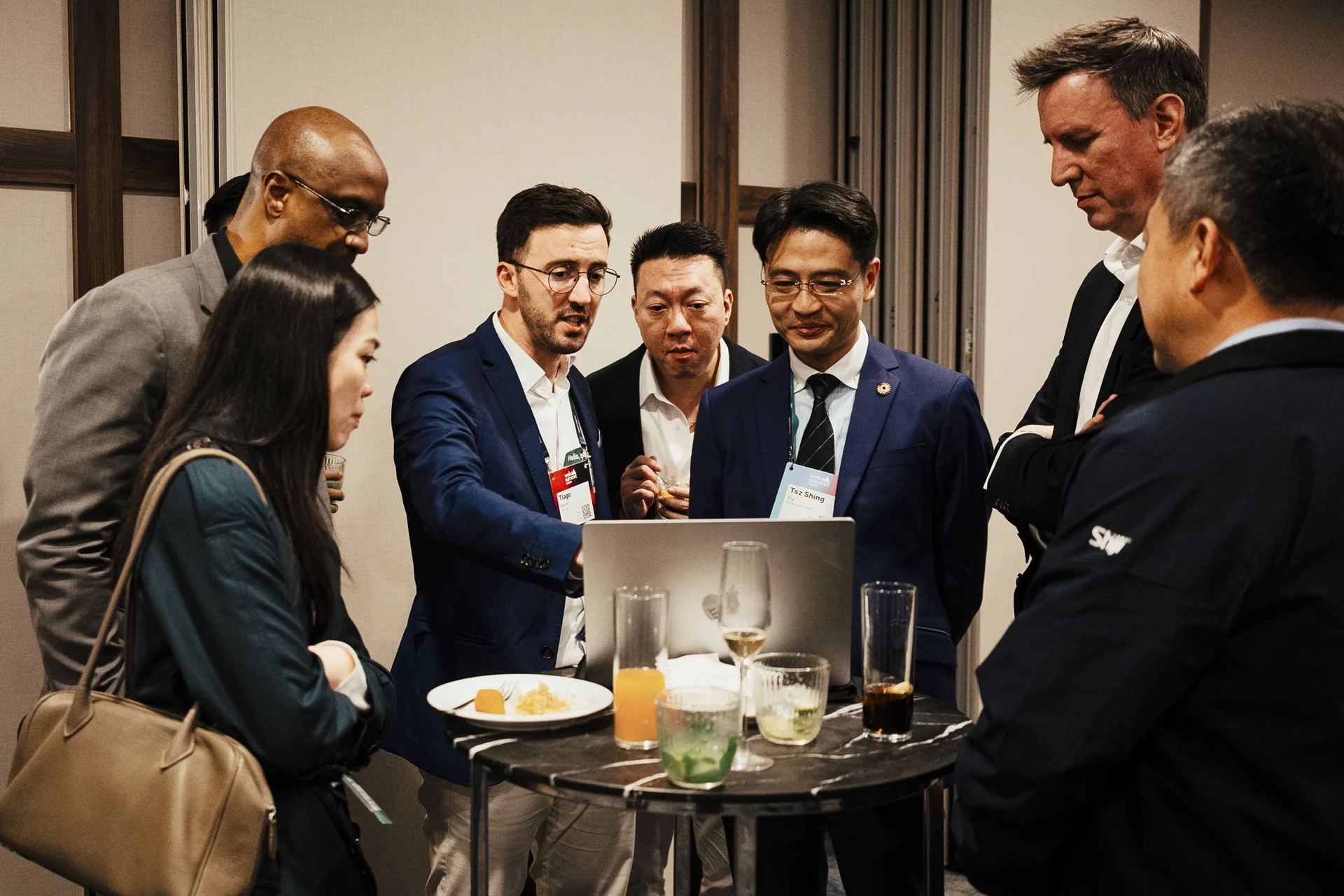
Johnny Au, from NetCraft Information Technology, reinforced that the Forum made it possible not only to learn about new technologies but also to absorb experiences that could be applied locally, such as green energy solutions, electric mobility and the digitalisation of services. “We have not only acquired new technologies, but also adopted several industry practices and business models suited to Macao’s realities,” he said.
Calvin Sio, from Zence Object Technology, added that taking part in the Forum was an opportunity to share his company’s experience and explore new opportunities for sustainable business in Europe. “I hope to understand how our sustainable technology and business models can be applied in Portugal and Europe. I also met many partners from Macao and Portugal and realised how we can collaborate and learn from each other, strengthening the innovation ecosystem in both regions.”
By showcasing experiences, trends, and technologies applicable to Macao and Portugal, the delegation reinforced the potential of both regions to become complementary hubs of innovation and sustainable development, capable of generating positive economic and social impact.
